KuCoin has not paid $2M award tied to delisted token dispute, investor says

In a recent development that has stirred the crypto community, a Seychelles court has ruled that KuCoin, a prominent cryptocurrency exchange, cannot classify unwithdrawn tokens as “abandoned.” This decision came after a Swiss investor was awarded over $2 million in a dispute involving a delisted token. The investor claims that despite the court's ruling, KuCoin has yet to make the payment, prompting him to consider further legal action against the exchange. This situation highlights the ongoing tensions between exchanges and investors, particularly regarding token management and withdrawal policies.
To understand the implications of this case, it is essential to consider the backdrop of the cryptocurrency market. The rise of numerous tokens and decentralized finance (DeFi) platforms has created a complex landscape where exchanges must navigate regulatory frameworks alongside user expectations. KuCoin, like many other exchanges, has faced scrutiny for its handling of tokens, especially those that are delisted. The court's ruling indicates a shift towards greater accountability for exchanges in their dealings with investors, particularly those who may feel aggrieved by the loss of access to their assets.
This ruling could have broader ramifications for the crypto market as it emphasizes the legal responsibilities that exchanges hold toward their users. If more investors feel empowered to challenge exchanges over similar issues, we could see an influx of legal disputes arising in the sector. The outcome of such cases could influence regulations and operational practices across the industry, potentially inciting exchanges to adopt more transparent policies regarding token management and withdrawal procedures.
Industry experts have weighed in on the matter, expressing concerns about the potential fallout for KuCoin and similar platforms. Some analysts argue that this case could set a precedent for how exchanges handle user funds and delisted tokens, while others caution that prolonged legal battles may deter investment in the crypto space. The investor's decision to pursue additional legal action underscores the growing frustration among users who seek clarity and fairness in their dealings with exchanges.
Looking ahead, the situation remains fluid, and it will be interesting to see how KuCoin responds to the court's ruling and the investor's claims. The exchange may face pressure to settle the matter to avoid further legal complications, but it could also choose to contest the ruling. Regardless of the outcome, this case serves as a reminder of the ongoing challenges within the cryptocurrency industry, particularly regarding the balance of power between exchanges and their users. As the landscape continues to evolve, we will be monitoring the developments closely to see how it shapes the future of digital asset management.

CoinMagnetic Team
Crypto investors since 2017. We trade with our own money and test every exchange ourselves.
Updated: June 2026
From our insights:
Related news
US investigates Binance for potential Iran-linked trading violations
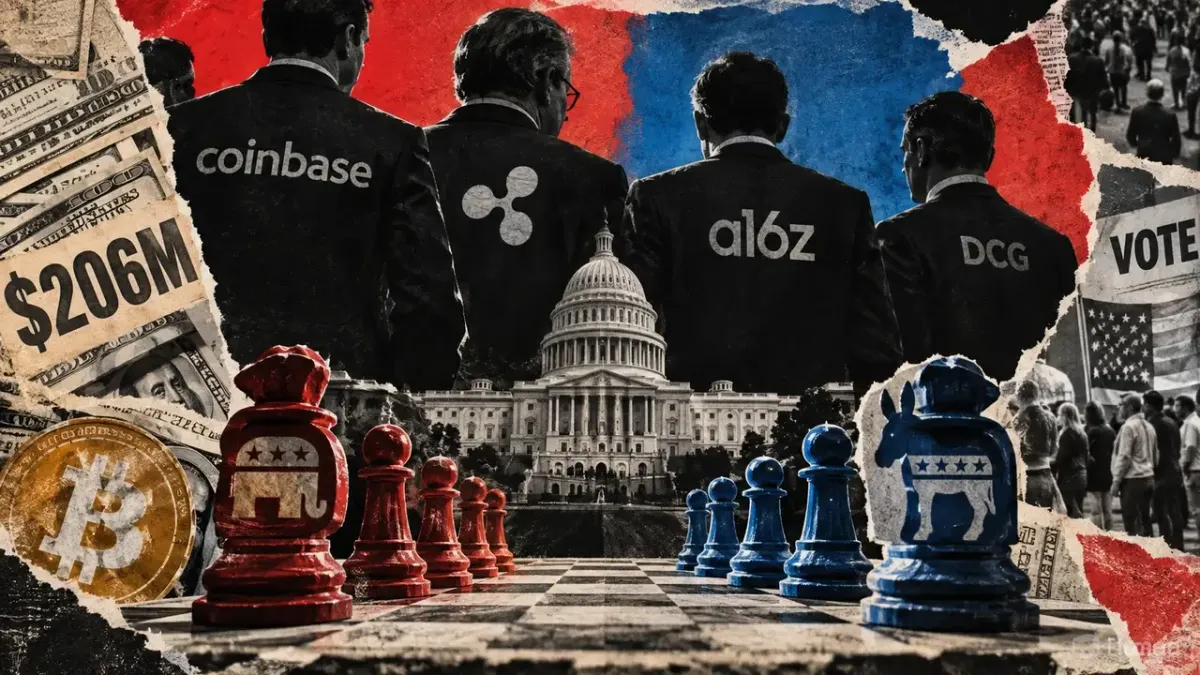
Crypto sector emerges as top donor with $206 million in midterms backing
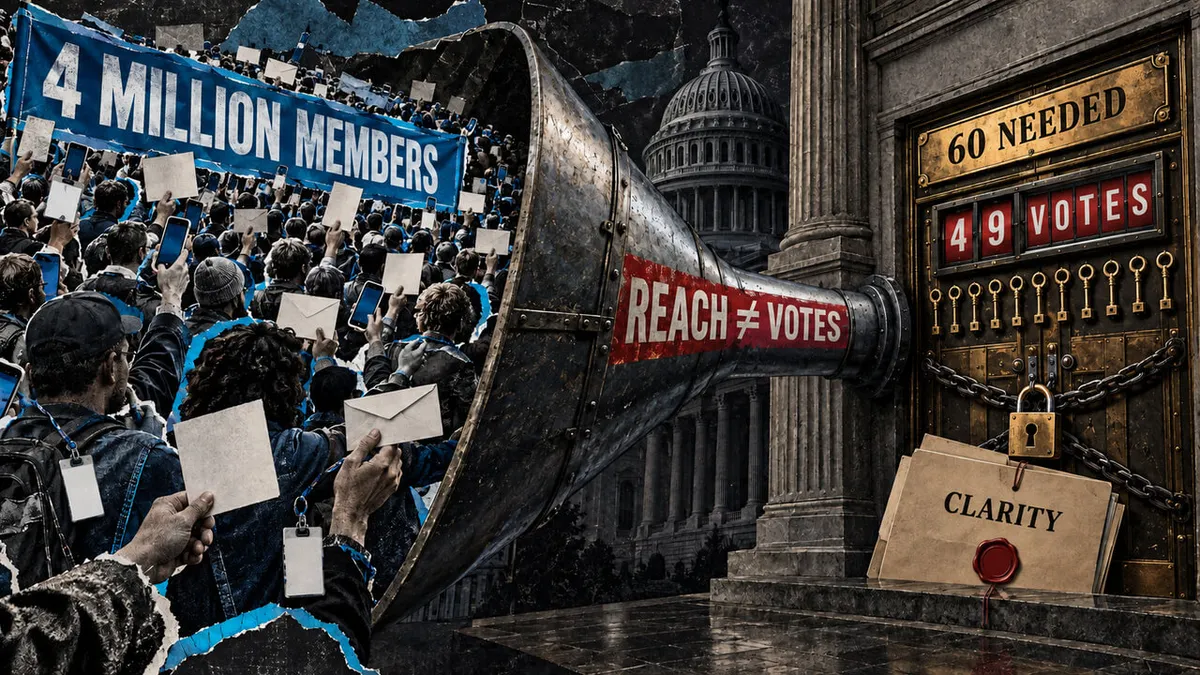
Stand With Crypto’s 4 million registered advocates couldn’t get the CLARITY Act through the Senate

Kakao Pay, KakaoBank to explore stablecoin opportunities with Fireblocks
US Attorney's investigation into Binance focuses on Iran sanctions compliance