Ireland excludes crypto from new savings scheme aimed at $203 billion deposits

Ireland has officially decided to exclude cryptocurrencies from its upcoming state savings scheme, which is set to launch next year. The scheme, designed to attract up to $203 billion in deposits, will allow individuals to invest in traditional financial products such as shares, bonds, funds, ETFs, and insurance products–none of which include digital assets. This move reflects the government's cautious approach towards the rapidly evolving crypto sector, focusing instead on more regulated and stable investment options for its citizens.
The decision comes amid a global landscape where many countries are still grappling with how to regulate cryptocurrencies. Ireland's stance can be seen as part of a broader trend among European nations, where regulators are increasingly wary of the potential risks associated with crypto investments. By limiting the scope of what qualifies for the tax-advantaged accounts, the Irish government aims to mitigate the risks associated with volatility and potential losses that come with investing in cryptocurrencies.
This exclusion of crypto from the savings scheme is significant for the market, as it signals to investors that traditional financial products are still favored over digital assets in certain jurisdictions. For crypto proponents, this may be viewed as a setback, particularly in a time when many are advocating for wider acceptance and integration of cryptocurrencies into mainstream finance. The decision could potentially lead to a decrease in interest from Irish investors in cryptocurrencies, as they may opt for the more secure and government-backed options available through the new savings scheme.
Industry reaction has been mixed. Some experts argue that this move by Ireland could stifle innovation in the crypto space, while others believe it’s a prudent decision that protects investors from potential losses. Crypto advocates have expressed disappointment, suggesting that it reflects a misunderstanding of the evolving nature of financial assets and the potential benefits of digital currencies. Conversely, traditional financial institutions may view this as an opportunity to reinforce their market position, as they will remain the primary beneficiaries of the new savings initiatives.
Looking ahead, the success of Ireland's savings scheme will likely depend on its ability to attract a significant number of investors while managing the risks associated with traditional assets. The ongoing debate regarding cryptocurrency regulation may continue to influence future policies in Ireland and across Europe. As the landscape evolves, it will be interesting to see whether Ireland will reconsider its stance on digital assets in the future.

CoinMagnetic Team
Crypto investors since 2017. We trade with our own money and test every exchange ourselves.
Updated: August 2026
From our insights:
Related news

Nasdaq-listed Tron launches $200 million ATM offering to expand TRX holdings

Bitcoin ETFs log $261 million in redemptions while XRP products defy weekly outflows
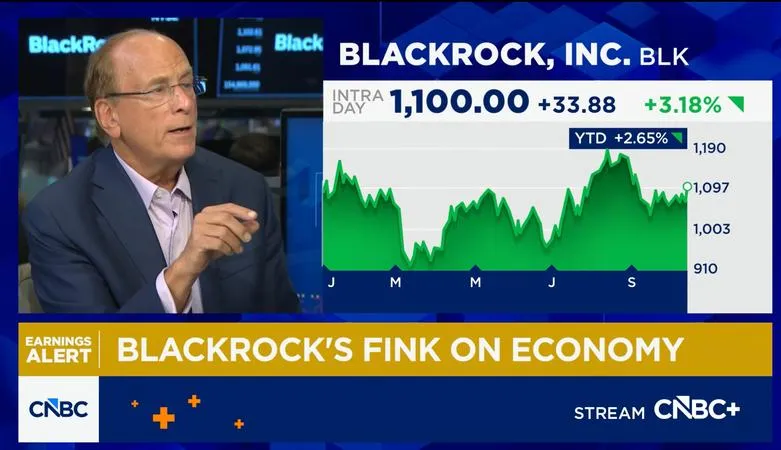
BlackRock CEO warns data center halts could trigger a U.S. recession amid debt fears

VanEck drops bid for Lido staked Ether ETF after filing in October

BlackRock crypto ETF assets climb to $79.6 billion following investor inflows