BlackRock CEO warns data center halts could trigger a U.S. recession amid debt fears
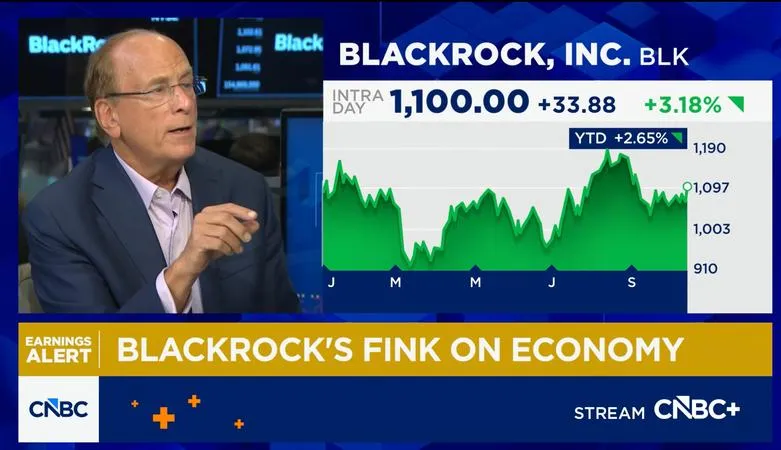
At a recent public appearance, BlackRock CEO Larry Fink raised significant concerns regarding the trajectory of the American economy, pointing directly to the explosive growth of artificial intelligence and digital infrastructure. According to Fink, halting the rapid expansion of data centers through any form of regulatory moratorium would likely push the United States into a recession. This warning comes as the nation grapples with a staggering national debt that has already climbed to forty trillion dollars, creating a precarious economic balancing act between technological innovation and fiscal stability.
The debate over data center construction has intensified in recent months as energy demands from these facilities strain local power grids and municipal resources across the country. Technology giants continue to pour unprecedented amounts of capital into building massive computational hubs to support generative artificial intelligence and cloud computing. However, local pushback and concerns over power consumption have led some policymakers to consider restrictions, setting up a potential clash between technological progress and energy conservation.
For the broader financial and cryptocurrency markets, Fink's comments highlight the deep interconnection between macroeconomic health, energy policy, and emerging tech sectors. Digital asset mining operations often share the same energy infrastructure debates as artificial intelligence data centers, meaning any sweeping regulatory actions could have ripple effects across the entire digital economy. Investors are increasingly watching how traditional financial leaders assess these infrastructural bottlenecks, as they directly influence liquidity, inflation expectations, and growth forecasts.
Market analysts and industry experts have expressed mixed reactions to Fink's stark assessment, with some supporting the need for uninterrupted tech investment to maintain global competitiveness, while others argue that fiscal restraint is long overdue. The mention of a forty trillion dollar national debt adds another layer of complexity, as servicing such obligations limits the government's ability to stimulate the economy if a downturn does materialize. Observers note that traditional financial institutions are paying closer attention to structural energy constraints than ever before.
As the dialogue around power grids and national debt continues to evolve, market participants will monitor how federal and local governments choose to balance energy demands with economic growth. The ongoing expansion of digital infrastructure remains a key driver of modern capital allocation, making any policy shifts critical for both traditional and digital asset portfolios in the months ahead.

CoinMagnetic Team
Crypto investors since 2017. We trade with our own money and test every exchange ourselves.
Updated: October 2026
From our insights:
Related news

Bitcoin ETFs log $261 million in redemptions while XRP products defy weekly outflows

VanEck drops bid for Lido staked Ether ETF after filing in October

BlackRock crypto ETF assets climb to $79.6 billion following investor inflows

DriveWealth adopts Ripple RLUSD on XRP Ledger for European settlement and custody

Bitwise CIO Matt Hougan points to fundamental indicators signaling a crypto spring