VanEck drops bid for Lido staked Ether ETF after filing in October

As a crypto portal tracking the pulse of regulatory developments, we have taken note of VanEck moving to withdraw its application for a Lido staked Ether exchange-traded fund. The firm initially submitted its S-1 registration statement for the proposed fund back in October last year, signaling early interest in bringing liquid staking products directly to traditional financial markets. This latest regulatory filing brings a temporary halt to those specific plans, reflecting the ongoing complexities surrounding crypto asset classification and staking mechanisms within traditional financial wrappers.
To understand the broader context, we should look back at the wave of ETF filings that followed the successful approval and launch of spot Bitcoin and Ethereum exchange-traded products in the United States. Asset managers have been eager to expand their product suites to capture yield-bearing assets like staked Ether, which rewards holders for securing the network. However, regulatory bodies have maintained a cautious stance on products involving staking, largely due to questions regarding yield generation, custodial responsibilities, and how these instruments fit into existing securities frameworks.
For the wider digital asset market, this withdrawal matters because it highlights the regulatory hurdles still facing yield-generating crypto products. While standard spot ETFs have gained traction among institutional investors, incorporating staking rewards into a regulated fund structure introduces a distinct set of compliance challenges. Market participants are closely watching how regulators handle these complexities, as the outcome will likely dictate the timeline and availability of similar yield-bearing crypto financial products in the near future.
Industry observers and legal experts have frequently pointed out that staking introduces regulatory gray areas that require careful navigation between issuers and oversight authorities. Analysts note that while the demand for staking yields remains strong among investors, issuers must weigh the appetite for these products against prolonged regulatory reviews and shifting compliance standards. This dynamic often leads firms to reassess their product pipelines, prioritizing simpler structures while regulatory clarity continues to evolve across jurisdictions.
Looking ahead, we expect asset managers to continue monitoring the regulatory climate for any signs of softening or clearer guidelines regarding proof-of-stake integration. Whether VanEck or other issuers will revisit staking-based fund applications down the line depends heavily on future dialogue with regulatory bodies and the establishment of formal frameworks for staked assets. Until then, the focus for crypto exchange-traded products remains largely anchored on spot exposure rather than native network yields.

CoinMagnetic Team
Crypto investors since 2017. We trade with our own money and test every exchange ourselves.
Updated: October 2026
From our insights:
Related news

BlackRock crypto ETF assets climb to $79.6 billion following investor inflows

DriveWealth adopts Ripple RLUSD on XRP Ledger for European settlement and custody

Bitwise CIO Matt Hougan points to fundamental indicators signaling a crypto spring

Federated Hermes pairs with Prometheum to launch onchain fund shares
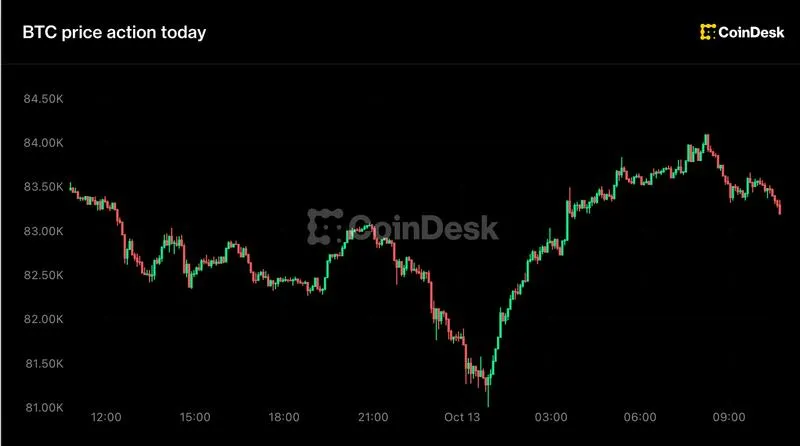
Bitcoin fluctuates from $81,000 to $84,000 while major altcoins decline
