In Clarity Act's final weeks, its path through U.S. Senate not getting much clearer
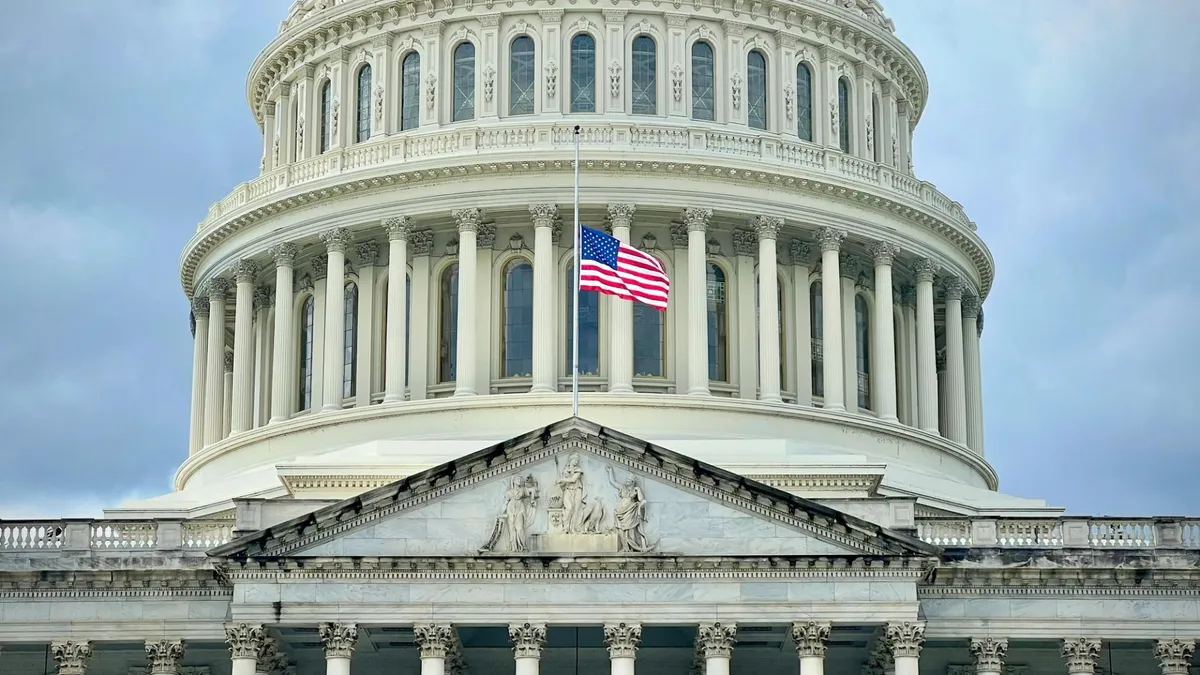
As the Clarity Act approaches its final weeks in the U.S. Senate, the path to its passage remains fraught with challenges. Negotiations are ongoing, with several contentious issues still on the table, prompting crypto lobbyists in Washington to mobilize their allies. The hope is to secure a vote by July, but the complexities of the legislative process and the need for consensus among lawmakers could complicate these efforts. The Clarity Act is designed to provide a clearer regulatory framework for cryptocurrencies, something that many in the industry view as essential for fostering innovation and investment.
The Clarity Act has been in the works for some time, reflecting the growing urgency among lawmakers to address the regulatory uncertainties plaguing the crypto sector. In recent years, the rapid growth of cryptocurrencies has outpaced regulatory frameworks, leaving many companies and investors in a state of confusion. This lack of clarity has been a significant barrier to entry for new players in the market and has hindered the broader adoption of blockchain technology. The Act aims to streamline regulations, making it easier for businesses to operate within a clear legal framework.
The implications of the Clarity Act for the market could be substantial. If passed, it could provide much-needed certainty for companies looking to innovate and expand within the crypto space. This would likely lead to increased investment and participation in the market, as businesses would feel more secure in their operations. Furthermore, a clearer regulatory environment could attract institutional investors who have been hesitant to engage with cryptocurrencies due to the ambiguity surrounding their legal status.
Reactions from industry experts have been mixed, with many expressing cautious optimism. Some view the ongoing negotiations as a positive sign that lawmakers are taking the needs of the crypto industry seriously. Others, however, are more skeptical, citing the historical difficulty of reaching consensus on complex regulatory issues. The involvement of lobbyists and allies in Washington underscores the importance of advocacy in shaping legislation that directly impacts the future of the crypto market.
Looking ahead, the next few weeks will be critical for the Clarity Act. As negotiations continue, the ability of proponents to address key concerns and build bipartisan support will determine the likelihood of a vote in July. If the Act can clear the hurdles it currently faces, it could mark a significant turning point for the crypto industry in the U.S., setting the stage for a more robust and well-defined regulatory landscape. However, if negotiations falter, the uncertainty surrounding crypto regulations is likely to persist, keeping the market in a state of flux.

CoinMagnetic Team
Crypto investors since 2017. We trade with our own money and test every exchange ourselves.
Updated: June 2026
From our insights:
Related news

Reap aims to enhance cross-border FX with non-USD stablecoins including peso

ECB and EU central banks propose liquidity thresholds for stablecoins

Four GOP senators backing CLARITY Act seek changes to stablecoin provisions

US investigates Binance for potential Iran-linked trading violations

Crypto sector emerges as top donor with $206 million in midterms backing