HTX to delist Trump-linked USD1 after saying World Liberty Financial froze exchange-linked addresses
HTX, a cryptocurrency exchange, has announced its decision to delist USD1, a stablecoin linked to former President Donald Trump, following the freezing of exchange-linked on-chain addresses by World Liberty Financial. This action stems from World Liberty Financial's compliance with UK sanctions, which has raised significant concerns within the crypto community. As a result, users of HTX will no longer be able to trade or utilize USD1 on the platform, and the exchange will implement a timeline for the delisting process.
The decision to delist USD1 is rooted in the complex regulatory landscape that surrounds cryptocurrencies, particularly those associated with political figures or controversial entities. World Liberty Financial's move to freeze HTX-linked addresses highlights the increasing scrutiny that exchanges and digital asset projects face from regulatory bodies worldwide. The UK's sanctions regime has been particularly stringent, and companies operating in the crypto space must navigate these waters carefully to avoid potential penalties or reputational damage.
This development is significant for the broader market as it underscores the ongoing challenges that stablecoins face in terms of regulatory compliance. Stablecoins, often viewed as a bridge between traditional finance and cryptocurrencies, are under heightened scrutiny due to their potential links to illicit activities and the need for transparency. The delisting of USD1 could send ripples through the market, potentially affecting investor confidence in other politically linked assets and raising questions about the future of similar projects.
Industry experts have weighed in on the situation, noting that this incident reflects a growing trend among exchanges to prioritize compliance over the listing of potentially controversial assets. Some analysts suggest that this could lead to a more cautious approach by investors when it comes to politically affiliated cryptocurrencies. Others have pointed out that the future of USD1 and similar assets may hinge on the evolving regulatory landscape and the willingness of exchanges to take risks in the face of potential sanctions.
Looking ahead, the implications of this delisting may prompt HTX and other exchanges to reevaluate their listing criteria and risk management strategies. As regulatory frameworks continue to develop, exchanges may need to adapt quickly to maintain compliance while still offering a diverse range of assets to their users. For investors and stakeholders in the cryptocurrency space, this situation serves as a reminder of the importance of due diligence and awareness of the regulatory environment surrounding their investments.

CoinMagnetic Team
Crypto investors since 2017. We trade with our own money and test every exchange ourselves.
Updated: June 2026
From our insights:
Related news
US investigates Binance for potential Iran-linked trading violations
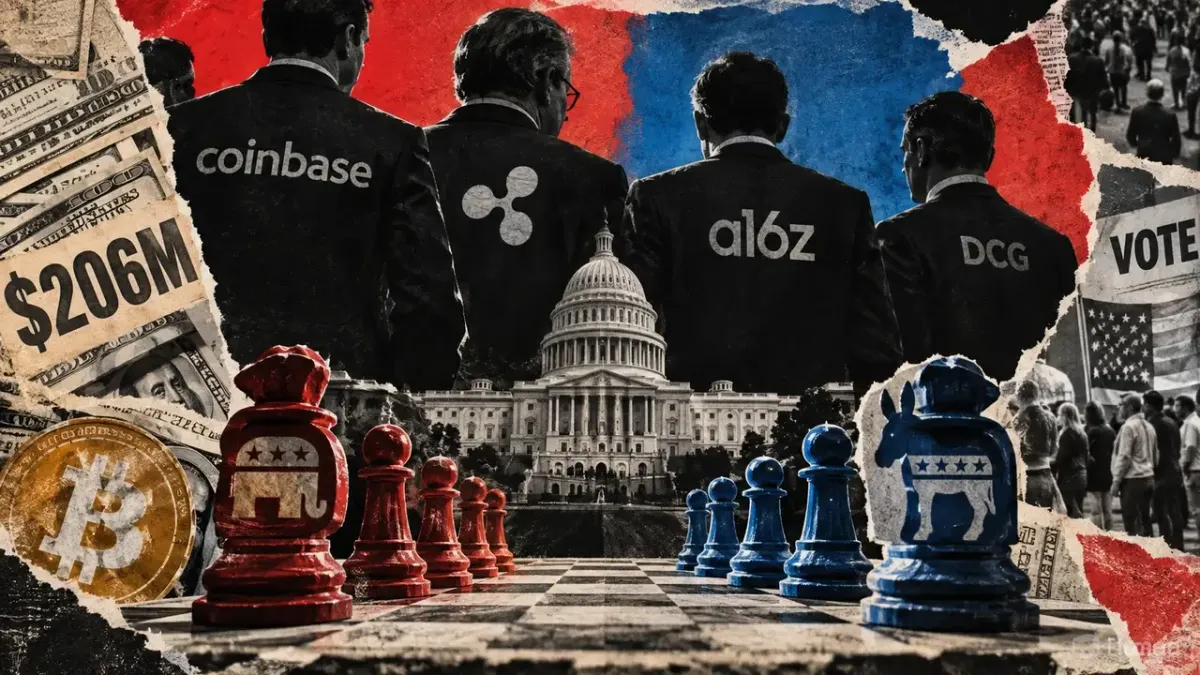
Crypto sector emerges as top donor with $206 million in midterms backing
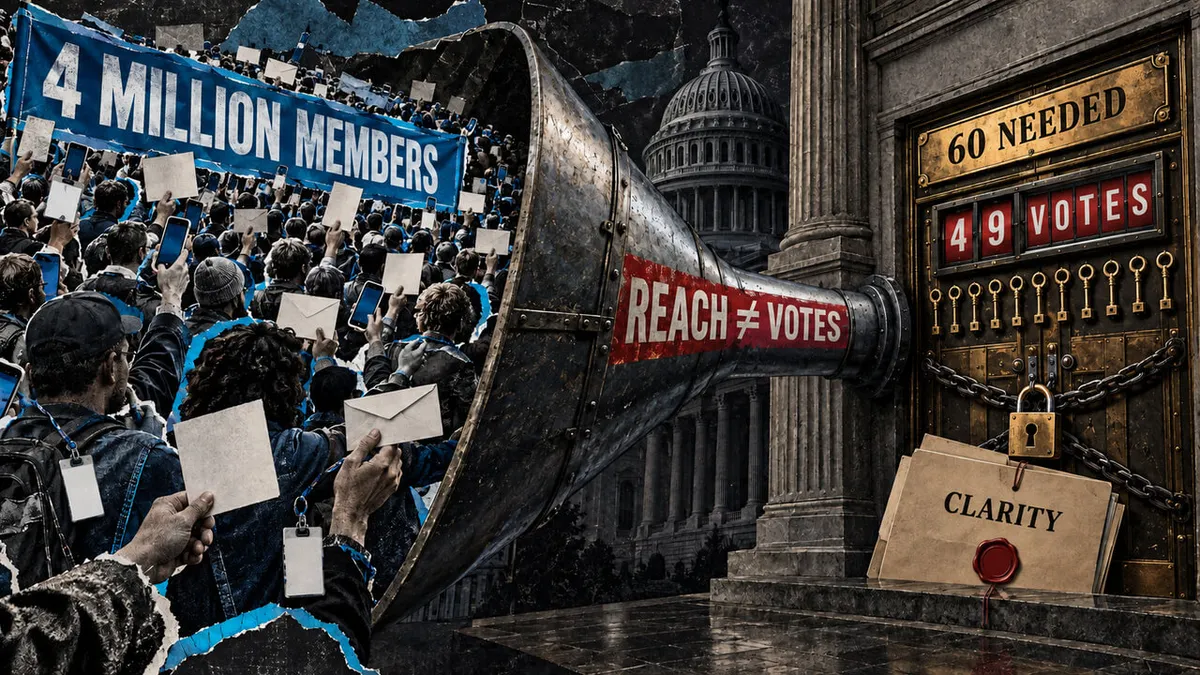
Stand With Crypto’s 4 million registered advocates couldn’t get the CLARITY Act through the Senate

Kakao Pay, KakaoBank to explore stablecoin opportunities with Fireblocks

US Attorney's investigation into Binance focuses on Iran sanctions compliance