How Sovereign Wealth Funds Invest in Digital Assets

Sovereign wealth funds (SWFs) are increasingly turning their attention to digital assets, marking a significant shift in how these state-owned investment funds approach the evolving landscape of cryptocurrencies. According to recent insights, these funds primarily invest in digital assets through regulated vehicles such as spot bitcoin exchange-traded funds (ETFs), publicly traded companies that have crypto exposure, blockchain infrastructure firms, and venture capital funds. This trend reflects a cautious yet strategic approach to engaging with digital currencies, as direct ownership of cryptocurrencies remains rare among these institutions.
The reluctance of sovereign wealth funds to directly hold bitcoin or other tokens stems from several factors, including stringent governance rules, custody requirements, and the need for political accountability. These funds are tasked with managing national wealth and, as such, must adhere to conservative investment strategies that mitigate risk. The complex regulatory environment surrounding cryptocurrencies further complicates direct investment, prompting many SWFs to seek safer, more regulated avenues to gain exposure to the digital asset space without the associated volatility of direct ownership.
This development is significant for the market as it highlights an institutional endorsement of digital assets, which could lead to increased legitimacy and wider adoption. The involvement of sovereign wealth funds–often seen as stabilizing forces in the financial markets–may enhance investor confidence in cryptocurrencies and related technologies. This shift suggests a growing recognition of the potential for digital assets to complement traditional investment portfolios, thereby paving the way for further innovations and developments within the industry.
Industry experts have noted that while the cautious approach of SWFs may limit immediate market impact, it is a necessary step towards mainstream acceptance of cryptocurrencies. Many believe that as these funds become more familiar with the digital asset landscape, they may gradually increase their exposure, potentially leading to larger investments in the future. Analysts point out that the continued evolution of regulatory frameworks will play a crucial role in shaping the strategies of these funds, as clearer guidelines may encourage more aggressive investments.
Looking ahead, the trajectory of SWFs in the digital asset space will likely depend on several factors, including regulatory developments, market maturity, and the performance of existing investments in crypto-related vehicles. As these sovereign funds continue to navigate the complexities of the digital asset landscape, we anticipate that their participation could signal a shift in the overall perception of cryptocurrencies, further integrating them into the global financial ecosystem. The unfolding dynamics will be crucial to watch in the coming months and years, as they may set the stage for broader acceptance and innovative financial products that leverage the unique characteristics of digital assets.

CoinMagnetic Team
Crypto investors since 2017. We trade with our own money and test every exchange ourselves.
Updated: July 2026
From our insights:
Related news

BlackRock previews potential for tokenized investment portfolios in finance

Anchorage Digital lays off 17% of staff amid expansion efforts

BNB Chain crosses $1B in tokenized stocks, ETFs as market hits $3.7B

Bitcoin rebounds as ETF demand rises ahead of US jobs data
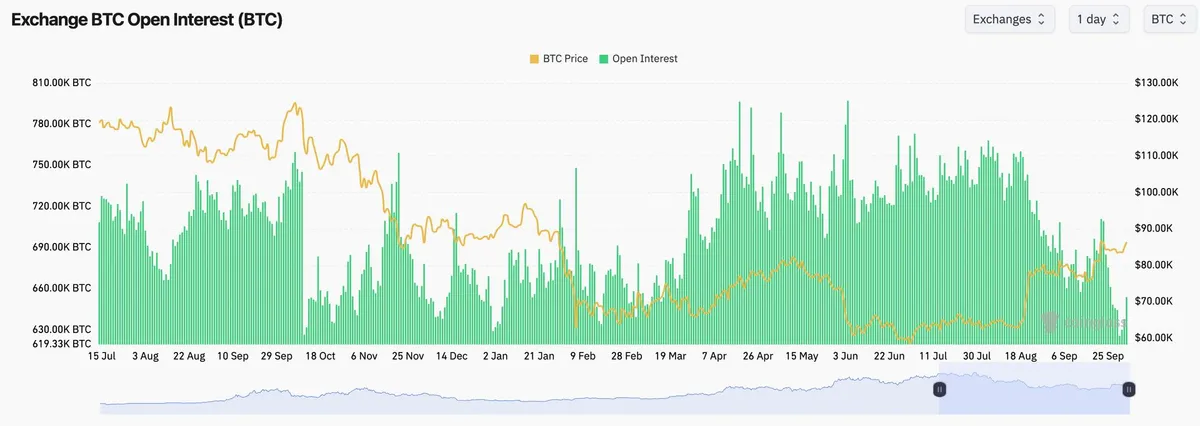
Rising perpetual funding rates indicate bullish sentiment as bitcoin hits $86,500