Nigel Farage failed to declare funding from crypto gambling figure convicted of fraud: Sunday Times
In a recent report from the Sunday Times, it has come to light that Nigel Farage, the prominent British politician and former leader of the UK Independence Party, failed to disclose financial support he received from a figure in the crypto gambling sector who has been convicted of fraud. This revelation adds to the scrutiny surrounding Farage, who is already under investigation for a previously undisclosed £5 million gift from Christopher Harborne, a stakeholder in Tether, the widely used stablecoin. The implications of this financial web raise serious questions about transparency and accountability within political funding, especially in the context of the growing influence of cryptocurrency.
The controversy surrounding Farage is not just a standalone incident; it reflects a broader concern regarding the intersection of politics and cryptocurrency. The crypto sector has seen a surge in investment and interest, yet it often operates in a regulatory grey area. As more figures in the crypto world engage with politicians and political fundraising, the lines between legitimate funding and potential misconduct become increasingly blurred. Farage’s situation highlights the urgent need for clearer regulations that govern the flow of money from crypto-related sources into political campaigns.
The implications of these revelations for the market are significant. As the crypto industry continues to grapple with its reputation, incidents involving high-profile politicians can influence public perception and regulatory responses. If the investigation leads to further scrutiny of crypto funding in politics, it could deter potential investors and lead to increased calls for regulation. This, in turn, may impact the market value of cryptocurrencies, particularly those linked to questionable figures or practices. Market participants will be watching closely to see how this situation unfolds and what it may mean for the future of political engagement with the crypto sector.
Industry experts have weighed in on the issue, noting that the current episode could serve as a wake-up call for both politicians and the crypto industry. Many argue that while the sector has the potential to revolutionize finance, it also needs to adopt higher standards of transparency and ethics, particularly when it comes to political contributions. Some analysts suggest that the scrutiny faced by Farage and others like him could lead to a push for more stringent regulations that mandate clearer disclosures of funding sources, which could ultimately enhance the credibility of the crypto industry.
Looking ahead, the fallout from this investigation could set a precedent for how crypto-related funding is viewed in the political arena. If the parliamentary standards investigation reveals further wrongdoing, it may prompt calls for a broader review of how cryptocurrency operates within the political funding landscape. As regulatory bodies consider the implications of such funding, we may see a shift towards more comprehensive guidelines that aim to protect both the integrity of political processes and the evolving nature of cryptocurrency. The developments in this case will undoubtedly be a focal point for both the crypto market and political accountability in the months to come.

CoinMagnetic Team
Crypto investors since 2017. We trade with our own money and test every exchange ourselves.
Updated: July 2026
From our insights:
Related news
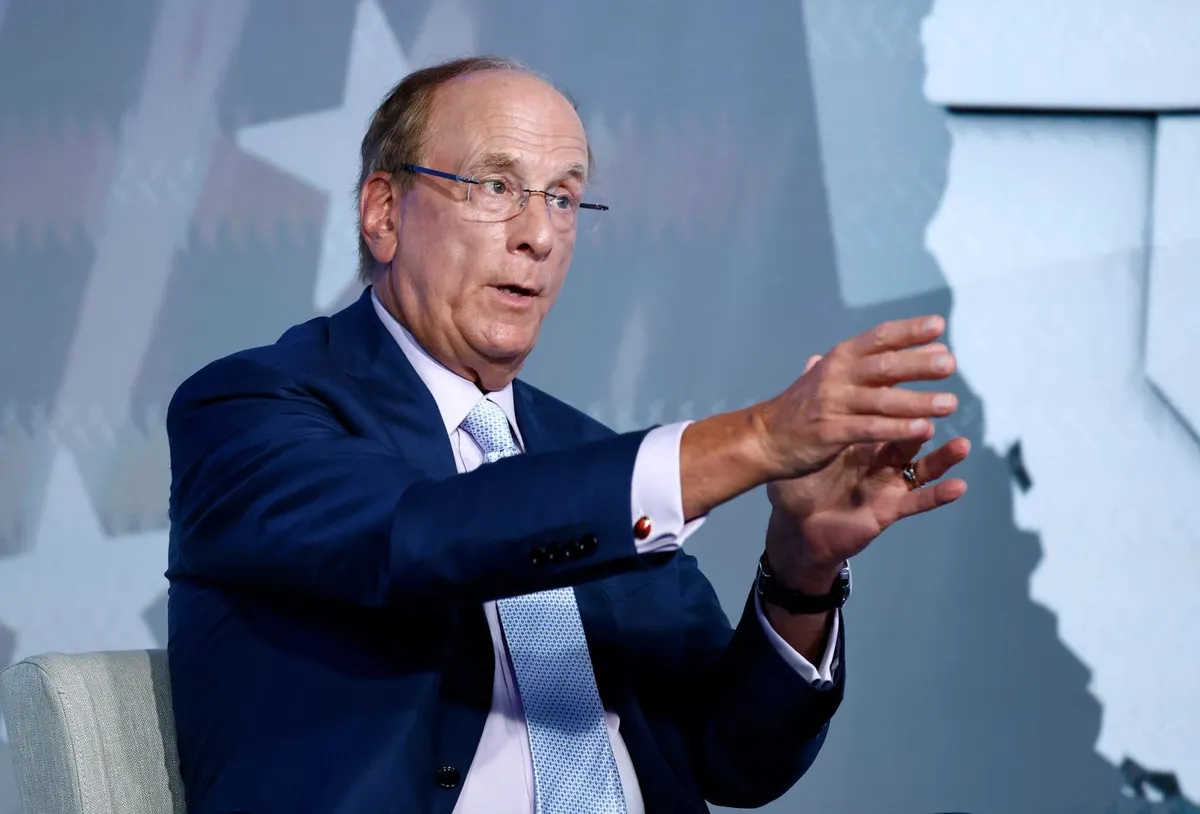
BlackRock previews potential for tokenized investment portfolios in finance

Anchorage Digital lays off 17% of staff amid expansion efforts

BNB Chain crosses $1B in tokenized stocks, ETFs as market hits $3.7B
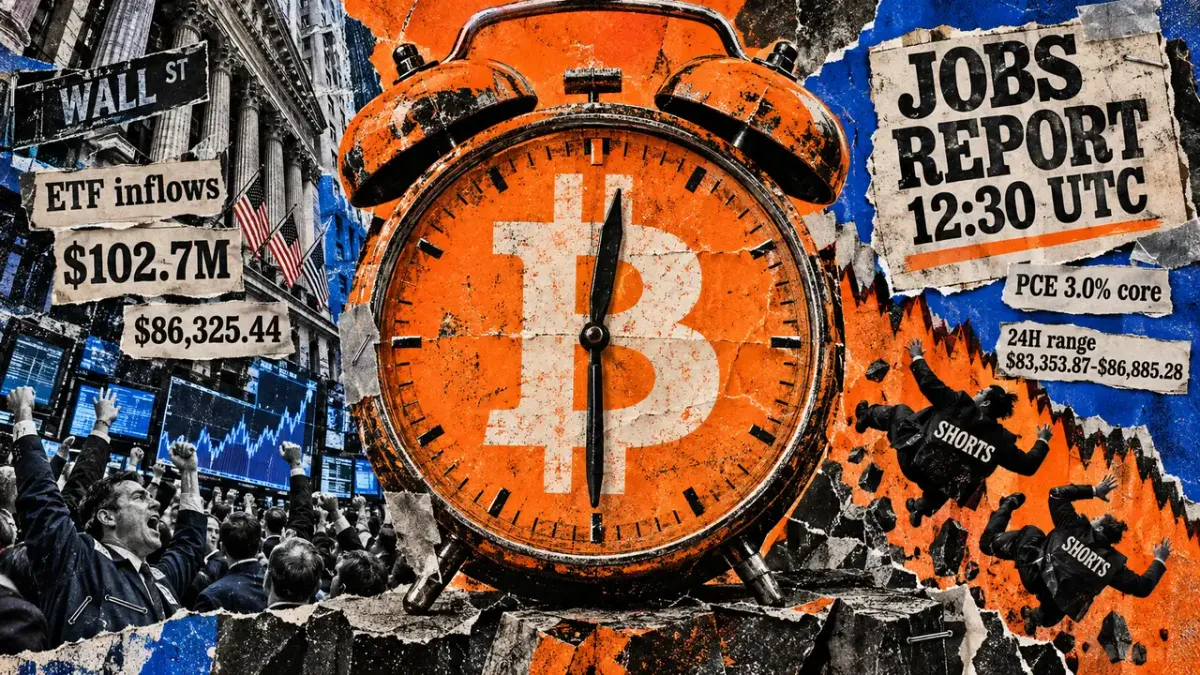
Bitcoin rebounds as ETF demand rises ahead of US jobs data
Rising perpetual funding rates indicate bullish sentiment as bitcoin hits $86,500