Tokenization could make finance faster, but also more susceptible to shocks, IMF says

The International Monetary Fund (IMF) has recently released a report highlighting the dual nature of tokenization in the financial sector. While it promises to accelerate transactions and reduce costs, the IMF cautions that this innovation may also expose the financial system to heightened risks and vulnerabilities. The report emphasizes that tokenized assets, which can represent anything from currencies to commodities, have the potential to streamline operations, making financial processes more efficient. However, the speed and complexity of these new systems could lead to sudden shocks, prompting concerns among regulators and traditional financial institutions.
Tokenization has been gaining traction in recent years as blockchain technology continues to evolve. By converting real-world assets into digital tokens, transactions can be completed more swiftly and with lower fees compared to traditional financial mechanisms. This shift towards a more digitized financial landscape reflects a broader trend of innovation aimed at enhancing efficiency. However, the rapid pace of change also raises questions about the robustness of these new systems, particularly in the face of market volatility or cyber threats, which can lead to systemic risks.
The implications of the IMF's findings are significant for the market. As tokenization becomes more prevalent, investors will need to consider not only the benefits of speed and cost reduction but also the potential for increased fragility in the financial ecosystem. The report suggests that while tokenization can democratize access to financial services and improve liquidity, it may also amplify the effects of market shocks, making it essential for stakeholders to develop strategies to mitigate these risks. Market participants must remain vigilant as the industry navigates this delicate balance.
Reactions from industry experts underscore the importance of addressing these concerns. Some analysts argue that while tokenization can enhance financial inclusion and efficiency, it cannot be divorced from the risks associated with rapid technological adoption. Experts call for a collaborative approach between regulators and innovators to ensure that the benefits of tokenization do not come at the expense of financial stability. By establishing clear guidelines and frameworks, the industry can harness the advantages of tokenization while minimizing potential downsides.
Looking ahead, the ongoing dialogue between the IMF, regulators, and market participants will be crucial in shaping the future of tokenization in finance. As the technology continues to advance, stakeholders will need to remain proactive in addressing the challenges it presents. The key will be finding a way to leverage the benefits of tokenization while implementing safeguards against the vulnerabilities it introduces, ensuring a stable and resilient financial system for the future.

CoinMagnetic Team
Crypto investors since 2017. We trade with our own money and test every exchange ourselves.
Updated: July 2026
From our insights:
Related news
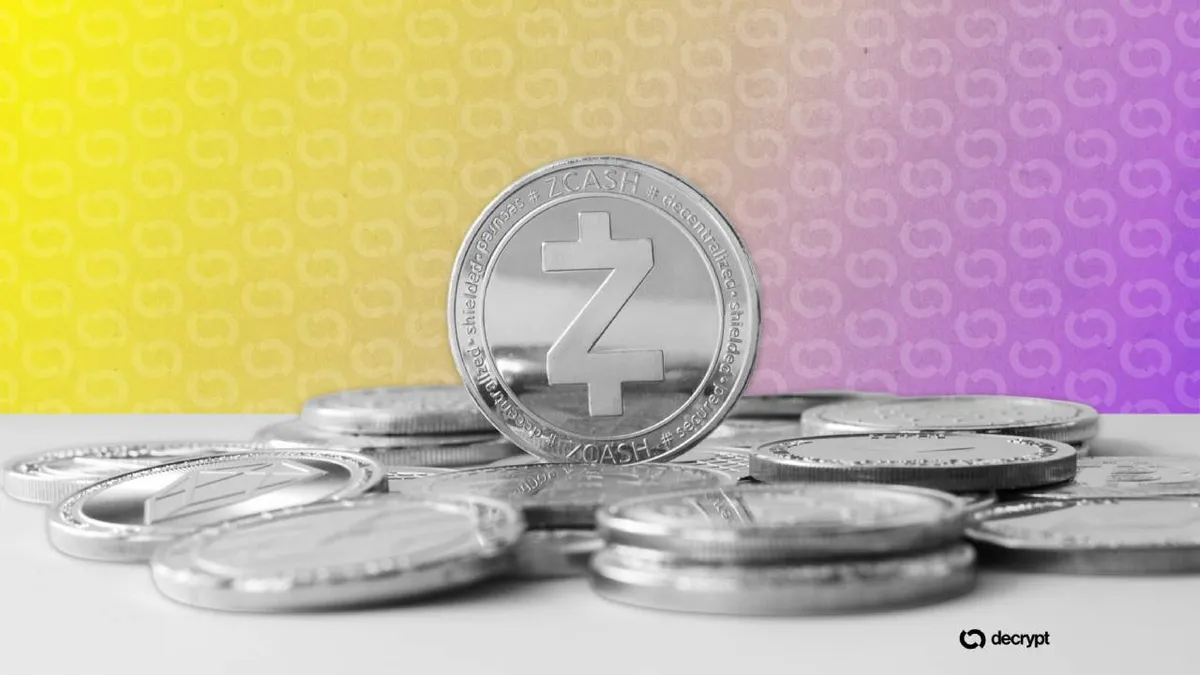
Zcash declines 21% from peak as ETF outflows and heist impact prices

Singapore's crypto economy expands 55% amid regional contraction
Bitcoin ETFs stretch $3.1B inflow streak as Ether funds turn red
European investors gain euro and pound-hedged access to bitcoin via HANetf

Kalshi seeks new funding at $40 billion valuation after rapid growth