Former UK Prime Minister sees economy on 'very negative trajectory,' indicates support for bitcoin
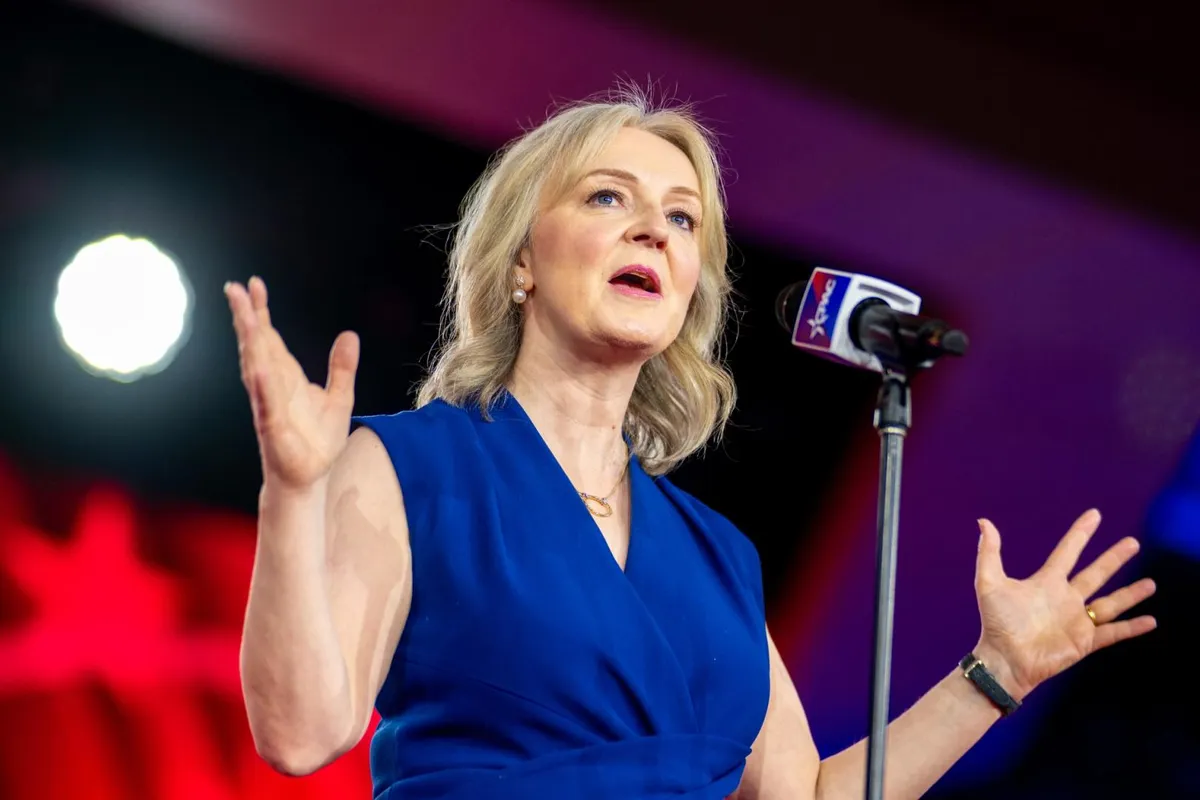
In a recent statement, former UK Prime Minister Liz Truss expressed her concerns about the current trajectory of the UK economy, describing it as "very negative." During her remarks, Truss criticized the role of central banking in the economic downturn and defended her controversial mini-budget from 2022. She indicated that embracing alternative financial systems, such as bitcoin, could be a part of the solution, suggesting that a conference organized by the Conservative Political Action Conference (CPAC) in the UK may serve as a platform for advocating significant economic reforms.
Truss's comments come in the wake of ongoing economic challenges in the UK, which have been exacerbated by a combination of factors including inflation, rising interest rates, and strained consumer confidence. Her mini-budget, which was aimed at promoting growth through tax cuts, faced immediate backlash and was largely seen as a contributing factor to the market instability that followed. This backdrop of economic uncertainty has led to increasing discussions around alternative currencies and reformative economic policies.
The endorsement of bitcoin by a former Prime Minister highlights a growing trend among political figures recognizing the potential of cryptocurrencies as a hedge against traditional financial systems. Bitcoin, often regarded as a decentralized alternative to fiat currency, has garnered attention for its ability to preserve value in times of economic turmoil. Truss' remarks may resonate with those who are skeptical of central banking practices, potentially influencing other policymakers to consider more innovative financial solutions.
Industry reaction to Truss's comments has been mixed, with some experts applauding her willingness to discuss bitcoin as part of a broader economic reform strategy. However, others have cautioned against overly simplistic solutions to complex economic issues, warning that while cryptocurrencies can play a role in diversification, they also come with their own set of risks. The juxtaposition of traditional economics and emerging financial technologies continues to provoke debate among economists and industry leaders alike.
Looking ahead, it remains to be seen how Truss's support for bitcoin will influence broader economic discussions in the UK. The CPAC UK conference she referenced could become a pivotal moment for proponents of cryptocurrency and economic reform to galvanize support for a shift away from conventional monetary policies. With increasing global interest in digital currencies, Truss's position may not only impact the political landscape but also the future of how we view and interact with money in an evolving economic environment.

CoinMagnetic Team
Crypto investors since 2017. We trade with our own money and test every exchange ourselves.
Updated: April 2026
From our insights:
Related news

DeepSeek to address UN Security Council on AI risks alongside Dario Amodei

Lummis blames Democrats for failed crypto Clarity Act vote

Federal approval won’t guarantee success for Agora, Catena, and Bastion

Regulatory clarity on crypto relies on officials, not Congress, says White House

PQLN enhances Bitcoin's quantum safety but raises privacy concerns for Lightning