Former SEC, CFTC Chair Gary Gensler argues that prediction markets don't overrule state regulations
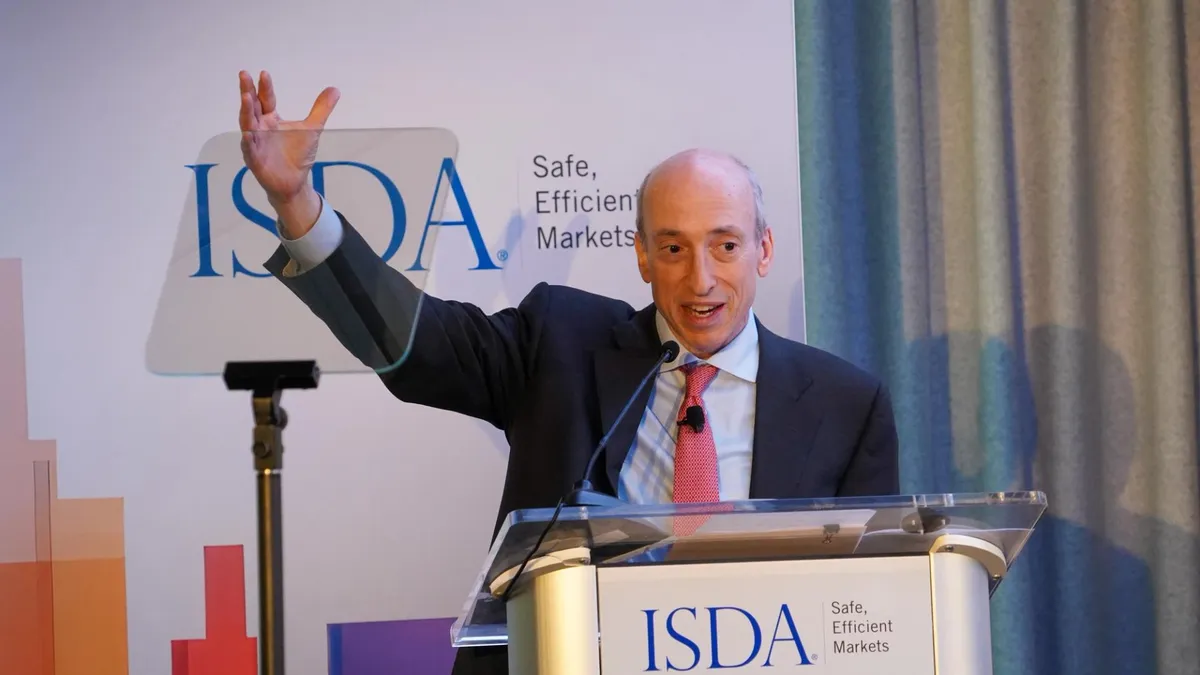
Former SEC and CFTC Chair Gary Gensler has recently voiced his concerns regarding prediction markets, particularly those offering contracts related to sports events. Gensler, along with various interest groups, argues that these markets are overstepping their regulatory boundaries. He believes that while prediction markets can provide innovative ways for individuals to speculate on future events, they must operate within the confines of existing state regulations to ensure consumer protection and market integrity.
To better understand Gensler's stance, it's essential to consider the broader context of financial regulation in the United States. Prediction markets, which allow users to bet on the outcome of events, have gained popularity in recent years, especially in the realms of politics and sports. However, as these markets expand, they pose unique challenges to regulatory frameworks that were not designed with such platforms in mind. Gensler's experience as a former regulator offers him a unique perspective on the potential risks associated with these markets, particularly concerning issues of fraud and manipulation.
This debate is significant for the market as it highlights the tension between innovation and regulation. The growth of prediction markets could be stymied if regulators take a stringent approach, potentially limiting their appeal and usefulness. Investors and participants in these markets will be closely monitoring the discourse surrounding regulatory measures, as any changes could impact the overall landscape of alternative betting platforms. The outcome of this discussion may also influence the direction of future regulatory policies concerning digital assets and financial products.
Industry reactions to Gensler's comments have been mixed. Some experts applaud his caution, emphasizing the importance of protecting consumers in a rapidly evolving market. Others, however, argue that overly restrictive regulations could hinder innovation and development within the prediction market space. These differing opinions underscore the complexities of regulating new financial instruments, as finding a balance between fostering innovation and ensuring consumer protection remains a challenge for regulators.
Looking ahead, the future of prediction markets may depend on how regulators choose to respond to these emerging concerns. If Gensler's perspective gains traction, we could see stricter oversight that may alter the operational landscape for these markets. Conversely, if a more lenient regulatory framework is adopted, it could pave the way for further growth and innovation in the prediction market space. Stakeholders will need to remain vigilant and adaptable as the regulatory environment continues to evolve.

CoinMagnetic Team
Crypto investors since 2017. We trade with our own money and test every exchange ourselves.
Updated: June 2026
From our insights:
Related news

Reap aims to enhance cross-border FX with non-USD stablecoins including peso

ECB and EU central banks propose liquidity thresholds for stablecoins
Four GOP senators backing CLARITY Act seek changes to stablecoin provisions
US investigates Binance for potential Iran-linked trading violations
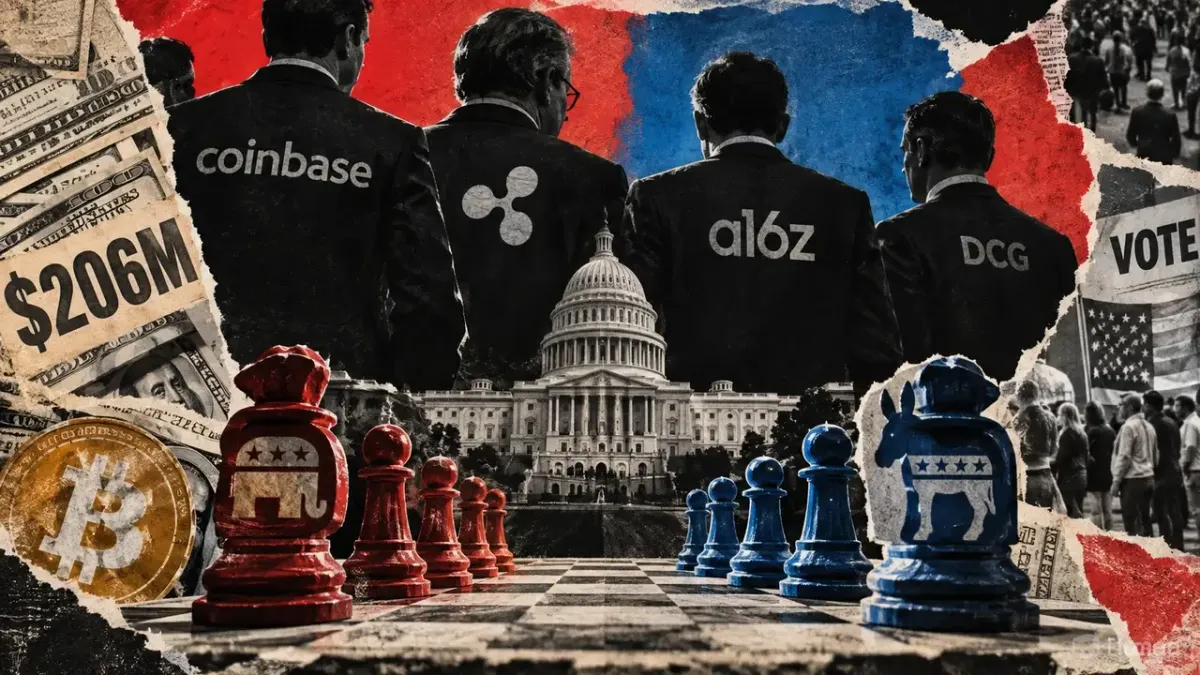
Crypto sector emerges as top donor with $206 million in midterms backing