EU proposes expanded sanctions on Russia-linked crypto platforms
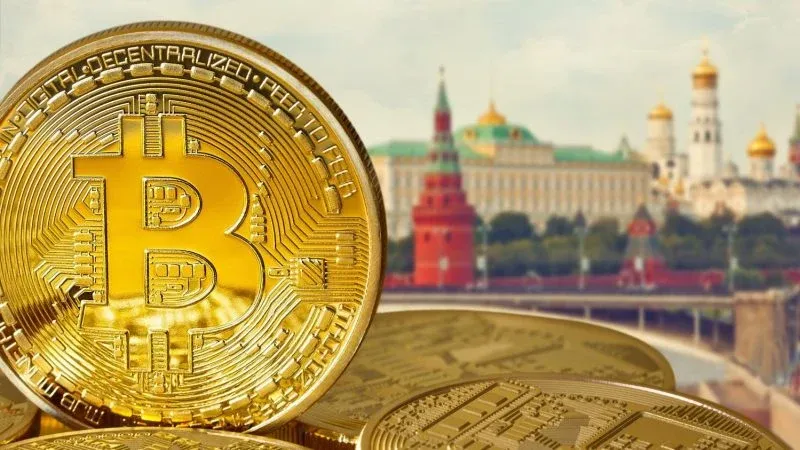
The European Commission is set to propose expanded sanctions targeting crypto platforms linked to Russia, potentially leading to a complete ban on crypto services from non-EU countries that assist Russia in circumventing existing sanctions. This move comes as part of ongoing efforts to strengthen the EU's response to the war in Ukraine and ensure that no loopholes remain for Russia to exploit. The proposal aims to close gaps in the current sanctions regime by focusing on digital assets and the platforms that facilitate their use, which have been increasingly scrutinized for their role in enabling financial transactions that undermine international efforts to pressure the Russian government.
The background of this development is rooted in the geopolitical landscape shaped by the ongoing conflict in Ukraine. Since the onset of the war, the EU has implemented a series of sanctions against Russia, targeting various sectors, including finance, energy, and technology. However, the rapid evolution of the cryptocurrency space has posed challenges for regulators, as these digital assets can be transferred globally with relative anonymity. The commission's push for stricter regulations reflects a growing concern that crypto could be used as a tool for evading sanctions, thereby undermining the efforts of the international community.
This proposed legislation could have significant implications for the cryptocurrency market as a whole. A full ban on non-EU crypto services may lead to increased volatility in crypto valuations, particularly for platforms that have a global presence. Moreover, it could drive more crypto activity underground or into jurisdictions with looser regulations, complicating the efforts of regulators to monitor and control illicit financial flows. The market may also see a shift in how companies operate, with a greater emphasis on compliance and transparency in order to maintain access to the EU market.
Industry reaction to the proposed sanctions has been mixed, with some experts acknowledging the necessity of regulatory measures to prevent the use of cryptocurrencies for illicit activities, while others express concerns about the potential overreach of such regulations. Critics argue that a blanket ban could stifle innovation and push legitimate businesses out of the EU, harming the region's competitiveness in the global crypto landscape. There are calls for a more nuanced approach that balances the need for security with the promotion of innovation and growth in the sector.
Looking ahead, the proposed sanctions will likely undergo a period of discussion and revision before being finalized. As the EU navigates the complexities of regulating a fast-evolving digital asset landscape, stakeholders from both the crypto industry and regulatory bodies will need to engage in dialogue to address the challenges posed by illicit activities without hindering legitimate economic growth. The outcome of these discussions will be crucial in determining the future of crypto operations within the EU and its relationship with the global market.

CoinMagnetic Team
Crypto investors since 2017. We trade with our own money and test every exchange ourselves.
Updated: June 2026
From our insights:
Related news

DeepSeek to address UN Security Council on AI risks alongside Dario Amodei
Lummis blames Democrats for failed crypto Clarity Act vote
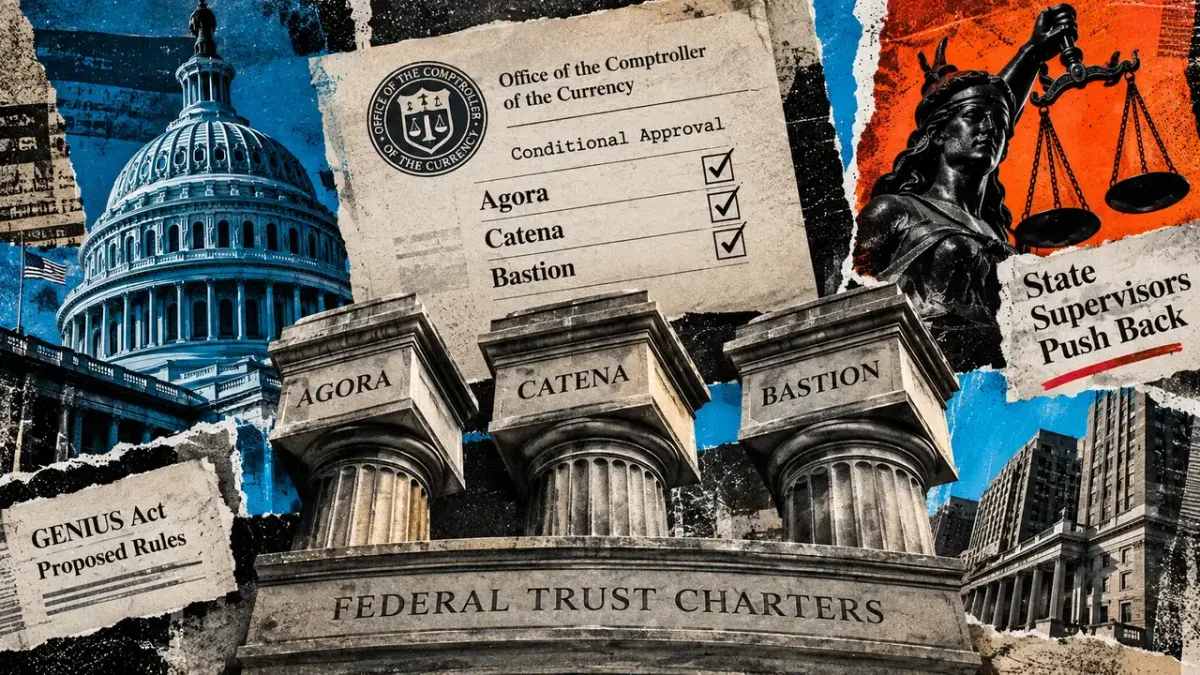
Federal approval won’t guarantee success for Agora, Catena, and Bastion
Regulatory clarity on crypto relies on officials, not Congress, says White House
PQLN enhances Bitcoin's quantum safety but raises privacy concerns for Lightning