El Salvador secures $138 million from IMF following Bitcoin waivers approval
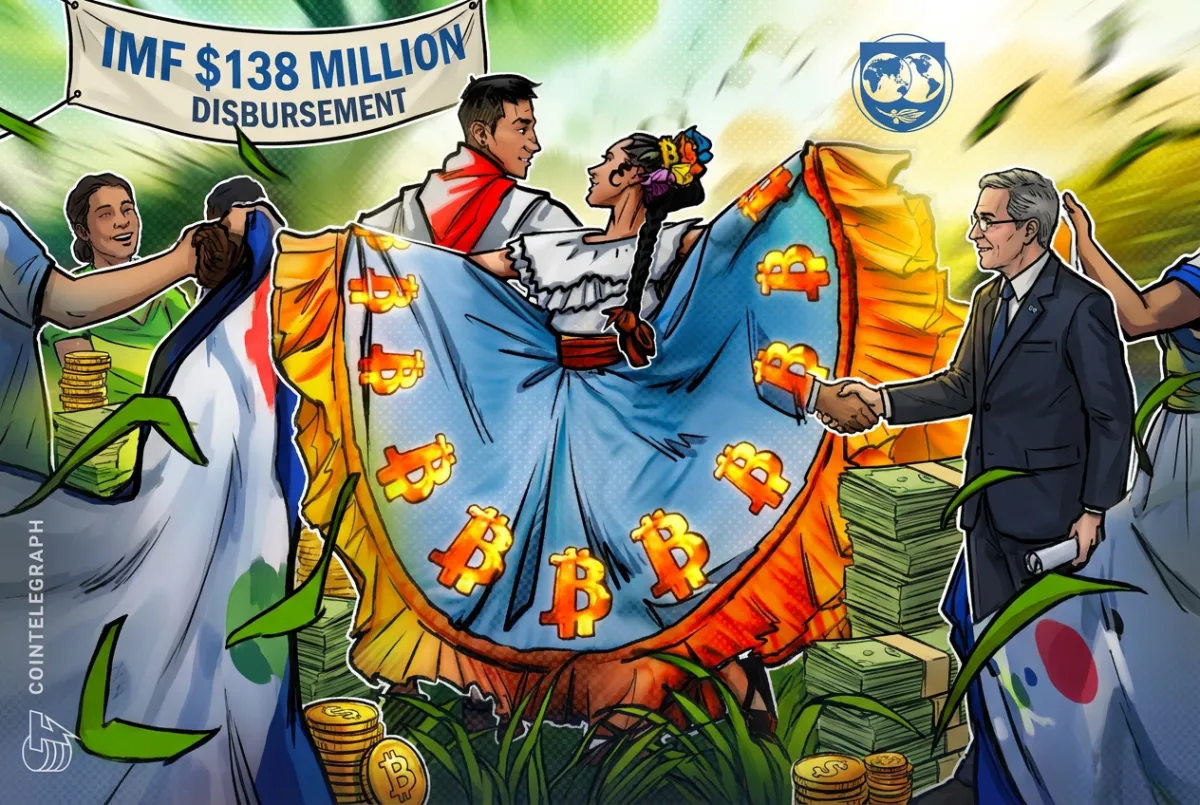
El Salvador has officially received $138 million in funding from the International Monetary Fund (IMF), following the approval of waivers related to its Bitcoin initiatives. This financial assistance comes as the IMF aims to support the Central American country in its efforts to regulate its cryptocurrency activities and to mitigate risks associated with Bitcoin's volatility. The IMF has indicated that this capital injection will be pivotal in stabilizing the country's economy and strengthening its regulatory framework surrounding crypto-assets.
This development is significant as El Salvador was the first nation in the world to adopt Bitcoin as legal tender in September 2021. Since then, the country has faced various economic challenges, including a decline in Bitcoin prices and concerns over fiscal stability. The IMF's decision to grant waivers is viewed as a response to El Salvador's ongoing attempts to navigate the tumultuous waters of cryptocurrency while ensuring that it adheres to international financial standards. The waivers allow the country to continue its Bitcoin-related activities but with a renewed focus on reducing state involvement.
The implications of this funding are notable for the broader market as it may signal a cautious approach from the IMF towards countries experimenting with cryptocurrencies. The approval of waivers suggests that the IMF recognizes the potential of crypto-assets while also acknowledging the need for robust regulatory measures. This could set a precedent for other nations considering similar paths, highlighting the importance of regulation in the ongoing evolution of the crypto landscape.
Industry experts have expressed a range of reactions to this news. Some see it as a positive step towards legitimizing Bitcoin in the eyes of international financial institutions, while others remain skeptical about the long-term viability of Bitcoin as a national currency. There is a consensus, however, that enhanced regulation is necessary to protect investors and ensure financial stability. The IMF's involvement may also encourage other emerging markets to seek guidance and support in managing their own crypto initiatives.
Looking forward, it remains to be seen how El Salvador will utilize the funds and implement the necessary regulatory frameworks. The IMF has emphasized the importance of continuing efforts to strengthen crypto-asset governance and regulation, which will be crucial in determining the future of Bitcoin in the nation. As El Salvador navigates this complex landscape, the international community will be watching closely to see how these developments unfold and what impact they will have on the global crypto market.

CoinMagnetic Team
Crypto investors since 2017. We trade with our own money and test every exchange ourselves.
Updated: October 2026
From our insights:
Related news

Digital ruble used for wage payments by Russia’s Finance Ministry for first time

PewDiePie claims OpenAI banned him twice while developing uncensored AI model
Top 185 TRUMP meme coin holders invited to dinner with Trump on Nov. 22
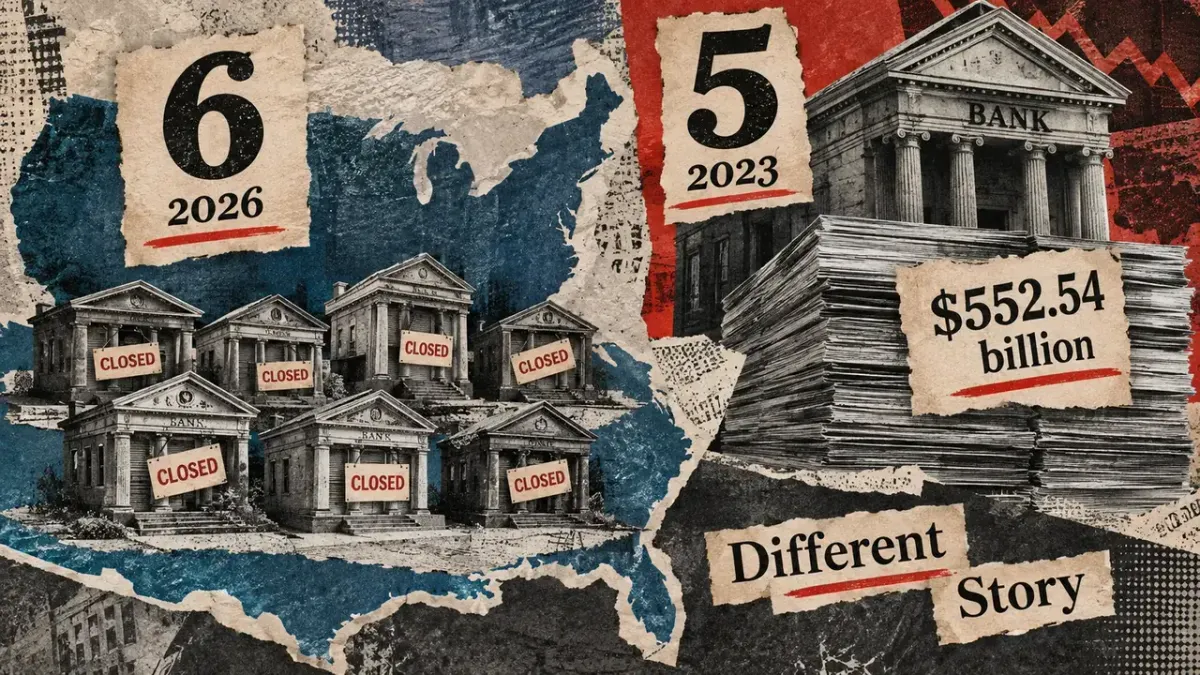
2026 sees six US bank failures, but assets drop to $1.43 billion
Key senators exit as Congress prepares to reset crypto legislation efforts