Key senators exit as Congress prepares to reset crypto legislation efforts

As the new Congress prepares to take office, the current legislative progress regarding cryptocurrency is poised for a significant reset. Key senators who have been instrumental in advancing crypto-related bills will not be returning, creating uncertainty around the future of legislative efforts in this space. Ryan Chan-Wei from the Cato Institute highlights how this change in personnel may hinder the momentum that had been built up over the past months, potentially leaving stakeholders in the industry in a state of limbo.
The backdrop to this legislative shift is the ongoing evolution of cryptocurrency regulation in the United States, which has been a topic of intense discussion and debate. Over the past few years, lawmakers have been grappling with how to best regulate digital assets, balancing the need for consumer protection with the desire to foster innovation. The departure of key figures who have championed these discussions means that the groundwork laid may not translate into concrete policy, as new members may have different priorities and approaches to crypto regulation.
This development carries substantial implications for the market, as uncertainty often breeds caution among investors and businesses. The lack of a clear legislative path could lead to hesitance in investment decisions, potentially stalling growth and innovation within the sector. As the market reacts to this news, it may experience volatility, particularly if traders perceive this as a setback for the regulatory clarity that many have been advocating for.
Industry reactions have been mixed, with some experts expressing concern over the potential for legislative stagnation, while others remain optimistic about the possibility of new voices bringing fresh perspectives to the table. The departure of seasoned legislators could also open doors for new advocates who may prioritize different aspects of the crypto economy, potentially leading to novel approaches to regulation. However, until a new consensus is reached, the industry may continue to face challenges in navigating the regulatory landscape.
Looking ahead, stakeholders in the crypto space will need to closely monitor the developments within the new Congress. With fresh faces come new opportunities, but also new uncertainties. It remains to be seen how quickly new legislation can be introduced and passed, and whether it will align with the needs and aspirations of the crypto community. As the industry braces for this transition, the focus will likely shift to building relationships with incoming legislators to ensure that the interests of the crypto ecosystem are adequately represented.

CoinMagnetic Team
Crypto investors since 2017. We trade with our own money and test every exchange ourselves.
Updated: October 2026
From our insights:
Related news
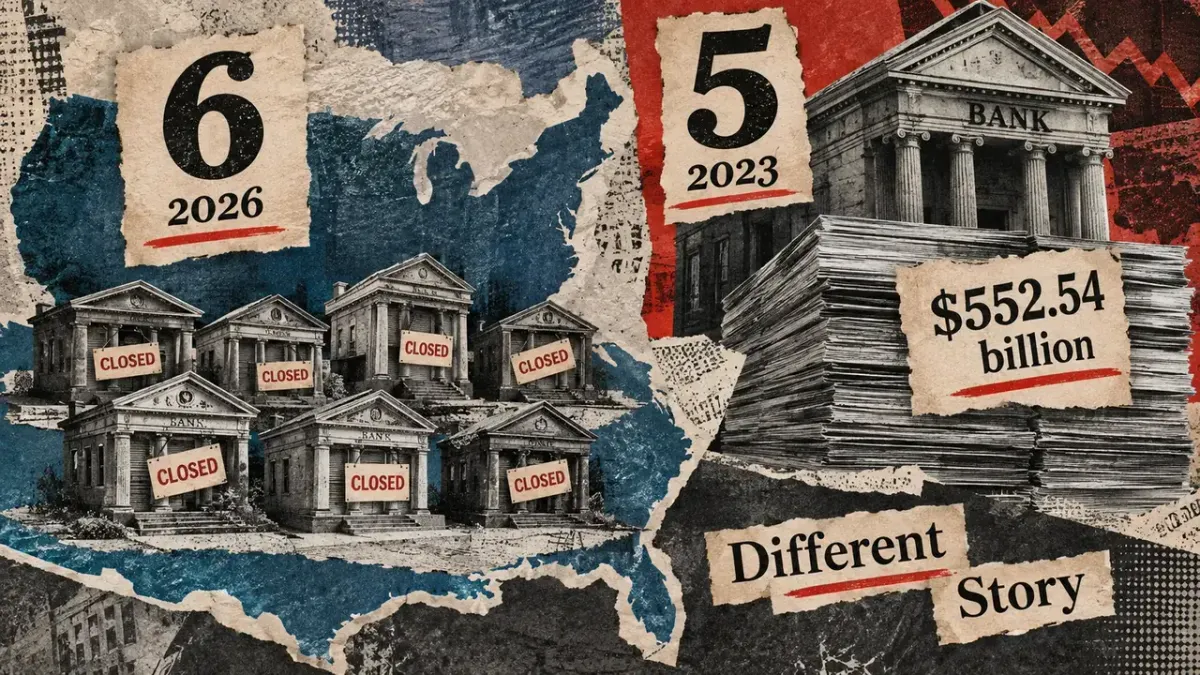
2026 sees six US bank failures, but assets drop to $1.43 billion
Community banking group challenges OCC's crypto trust bank charters in lawsuit

Court ruling ends LIBRA memecoin lawsuit, leaving investors in limbo

New SEC crypto rules threaten small advisers, but big firms win

Stablecoin issuers have replaced 40% of China’s lost US Treasury demand