IMF reveals El Salvador's 1,540 Bitcoin purchases weren't publicly funded
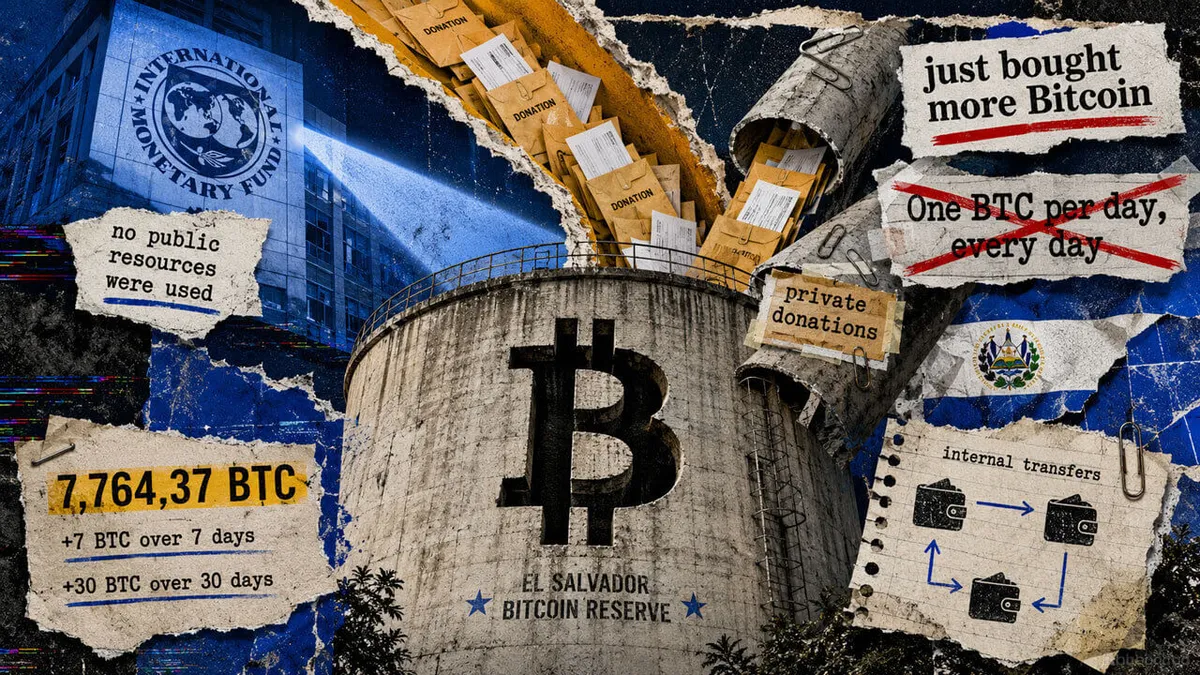
Recent disclosures from the International Monetary Fund (IMF) have shed light on El Salvador's controversial Bitcoin purchases, revealing that the 1,540 Bitcoin accumulated by the country were not acquired using public resources. This revelation contradicts President Nayib Bukele's public narrative, which has frequently emphasized a commitment to purchasing one Bitcoin each day. The IMF's findings raise questions about transparency and the actual sources of funding for these acquisitions, which have been a key part of Bukele's strategy to integrate Bitcoin into the national economy.
El Salvador made headlines in 2021 when it became the first country to adopt Bitcoin as legal tender, a move that was met with both enthusiasm and skepticism. The government has consistently promoted the idea that it is acquiring Bitcoin daily, ostensibly to bolster its national reserves and drive economic innovation. However, the latest IMF disclosure indicates that since the initial review, no public funds have been used for these purchases, suggesting a disconnect between the government's messaging and its financial practices.
This news is significant as it could impact market perceptions of El Salvador's commitment to Bitcoin and its overall economic strategy. Investors and enthusiasts have closely monitored El Salvador's Bitcoin journey, viewing it as a litmus test for the cryptocurrency's viability as a national currency. The revelation that the government may not be funding these purchases as claimed could lead to skepticism among market participants, potentially affecting Bitcoin's price and perceived legitimacy as a legitimate monetary asset.
Industry reactions have been mixed, with some experts expressing concern over the lack of transparency and potential implications for investor confidence. Others argue that the focus should remain on the broader implications of Bitcoin adoption in developing economies, regardless of the funding sources for specific purchases. The discrepancy reported by the IMF may prompt further scrutiny of El Salvador's fiscal policies and could lead to calls for greater accountability from the government regarding its Bitcoin strategy.
Looking ahead, the implications of this disclosure could influence future discussions around Bitcoin adoption and regulatory frameworks in other countries. As nations weigh the potential benefits and risks of integrating cryptocurrencies into their economies, El Salvador's experience may serve as a cautionary tale about the importance of transparency and sound financial practices in fostering sustainable growth in the crypto space.

CoinMagnetic Team
Crypto investors since 2017. We trade with our own money and test every exchange ourselves.
Updated: September 2026
From our insights:
Related news

BlackRock iShares fund drives $527 million into US bitcoin ETFs
BlackRock expands crypto lineup with a third bitcoin fund application
Anthropic dedicates 5% of its shares to public benefit as Musk counters with SpaceX plan
JPMorgan brings JPM Coin to Ethereum for instant institutional settlement

ESMA MiCA register grows to 375 CASPs with BingX and YouHodler additions