BIS reveals XRP Ledger adoption won't lead to expected supply squeeze for XRP holders
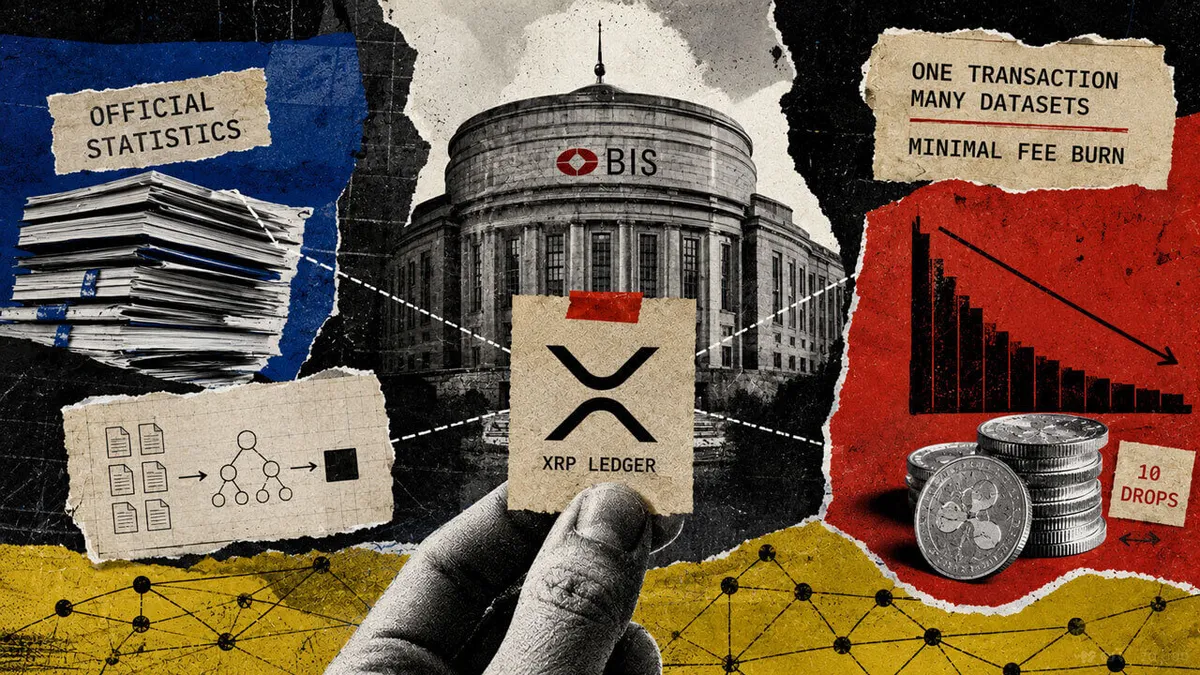
The Bank for International Settlements (BIS) has provided insights that challenge the expectations of XRP holders regarding a potential supply squeeze due to increased institutional adoption of the XRP Ledger. According to their analysis, the operational efficiency of the XRP Ledger allows for a single transaction to authenticate thousands of datasets. This means that as institutional usage scales up, the fee burn associated with transactions will remain minimal, undermining the anticipated decrease in available XRP supply.
Historically, the XRP Ledger has been viewed as a promising solution for facilitating cross-border payments and enhancing liquidity in the financial sector. The foundational belief among many XRP holders has been that greater institutional adoption would lead to a significant reduction in the circulating supply of XRP due to transaction fees being burned. However, the BIS's findings suggest that the ledger's design and efficiency play a crucial role in this dynamic, potentially dampening the expected outcomes for holders.
This revelation matters for the market as it prompts a reevaluation of the assumptions surrounding XRP's value proposition in the context of institutional usage. Many investors had anticipated a robust supply squeeze that would drive prices upward, but the BIS's findings could lead to a more tempered outlook. Understanding that increased transactions might not translate into a significant burn of XRP could shift market sentiment and expectations regarding price movements.
Experts in the cryptocurrency space have expressed varied reactions to the BIS's findings. Some believe it highlights the need for a more nuanced understanding of how transaction dynamics operate on the XRP Ledger, while others worry that this information could deter institutional investments if the anticipated scarcity of XRP is not realized. The conversation around the future utility of XRP in institutional finance is likely to evolve as more data becomes available and as market participants digest these insights.
Looking ahead, the implications of the BIS report could lead to increased scrutiny of XRP's economic model and its long-term viability as a digital asset for institutional use. As the market digests this information, it may prompt XRP holders to reconsider their expectations and strategies, particularly in light of the evolving landscape of cryptocurrency regulation and institutional participation.

CoinMagnetic Team
Crypto investors since 2017. We trade with our own money and test every exchange ourselves.
Updated: September 2026
From our insights:
Related news
Bitcoin exchange-traded funds see nearly $1 billion exit over a two-week span

AIsa total funding exceeds $9 million following strategic seed extension by Tether

Solana logs two years without outages, though Fidelity flags stake concentration

Visa Direct moves USDC prefunding into commercial production with Inyo Global
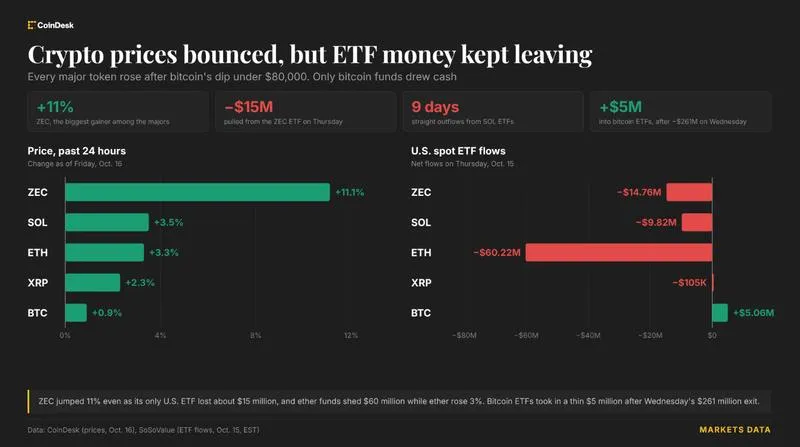
Bitcoin recovers past $82,000 while ZEC surges 11% despite ongoing ETF outflows