El Salvador's bitcoin accumulation funded by private donations since June 2025
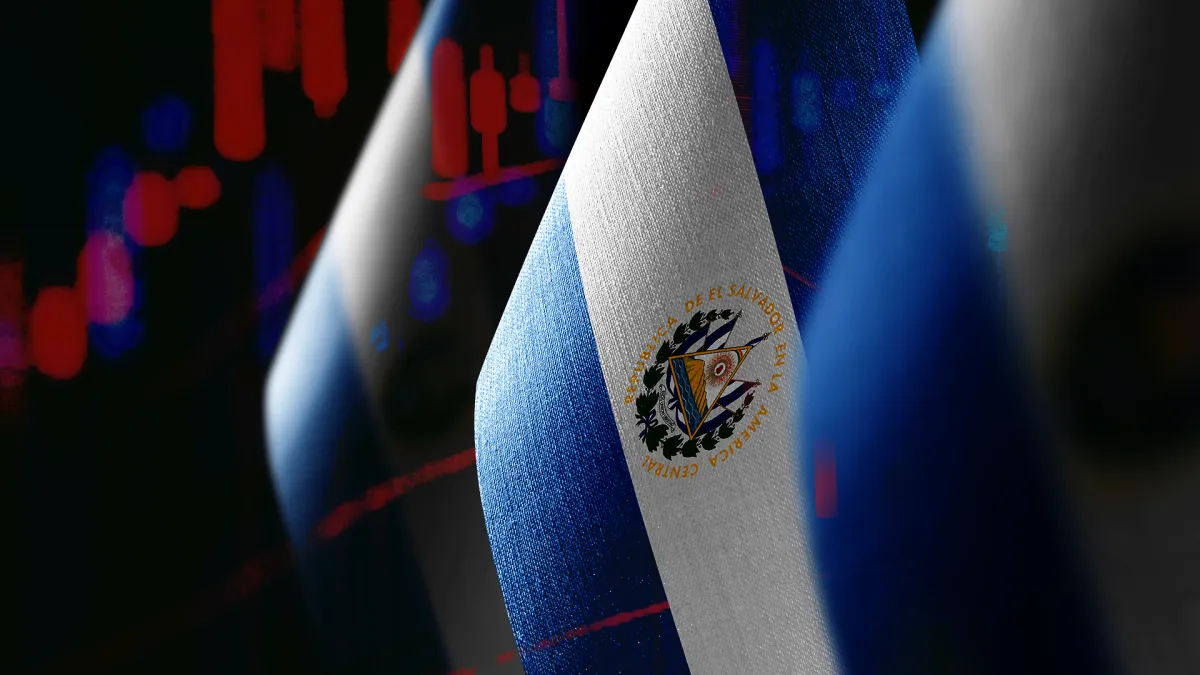
The International Monetary Fund (IMF) has reported that El Salvador has not utilized public funds for its bitcoin accumulation since June 2025. Instead, the country has relied on private donations for its purchases of the cryptocurrency. This revelation comes as part of the IMF's broader evaluation of El Salvador's financial strategies and its relationship with cryptocurrencies, particularly bitcoin, which the nation adopted as legal tender in 2021.
El Salvador's foray into bitcoin was met with mixed reactions both domestically and internationally. President Nayib Bukele's administration promoted the initiative as a means to boost the economy, attract foreign investment, and provide financial services to the unbanked population. However, the move also raised concerns regarding the volatility of cryptocurrencies and the potential risks to the nation's fiscal health. The IMF, which has been closely monitoring El Salvador's economic policies, has previously expressed caution regarding the use of cryptocurrencies in the country.
The significance of this development lies in its implications for both El Salvador's economic stability and the broader cryptocurrency market. By relying on private donations, the government appears to be distancing itself from the financial risks associated with using taxpayer money for bitcoin purchases. This shift may help to mitigate some of the concerns raised by international financial institutions and investors about the sustainability of El Salvador's bitcoin strategy, potentially leading to increased confidence in its economic policies.
Industry experts have reacted to the IMF's findings with a mix of optimism and caution. Some see this move as a positive step towards responsible cryptocurrency management, emphasizing the importance of sustainable funding sources. Others, however, remain skeptical about the long-term viability of El Salvador's bitcoin initiative, pointing out that reliance on private donations may not be a stable or reliable funding mechanism in the face of market fluctuations.
Looking ahead, the future of El Salvador's bitcoin strategy remains uncertain. As the country continues to navigate its relationship with cryptocurrency, it will be crucial to monitor how it balances private funding with the need for fiscal responsibility. The ongoing developments could influence both domestic policies and the global perception of cryptocurrencies as viable financial instruments.

CoinMagnetic Team
Crypto investors since 2017. We trade with our own money and test every exchange ourselves.
Updated: September 2026
From our insights:
Related news

ESMA MiCA register grows to 375 CASPs with BingX and YouHodler additions
JPMorgan expands JPM Coin to Ethereum to reach more institutional clients

JPMorgan brings JPM Coin to Ethereum to power institutional client settlements

US spot Ether funds head toward $1 billion in monthly net outflows
Bitcoin exchange-traded funds see nearly $1 billion exit over a two-week span