Duke law lecturer argues Trump-connected World Liberty Financial issued a security
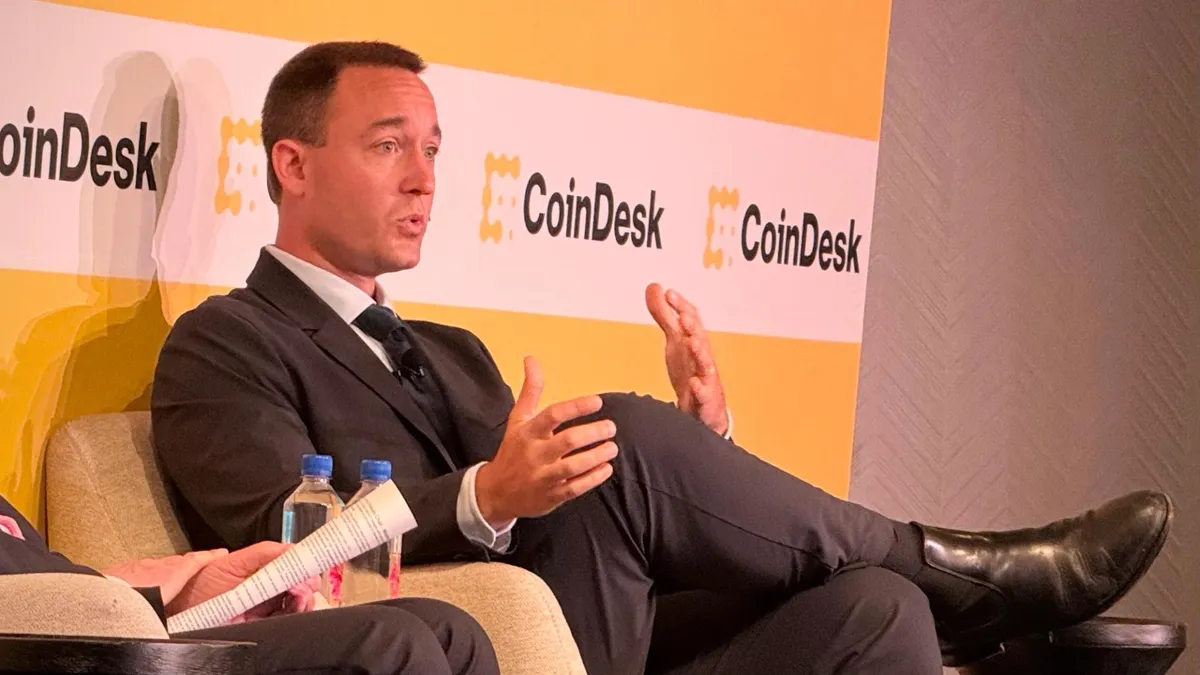
In a recent analysis, Lee Reiners, a lecturer at Duke Law School, has raised significant concerns regarding World Liberty Financial, a company with connections to former President Donald Trump. Reiners argues that the company's governance token should not be classified as a digital commodity or merely a governance tool, but rather as a security. This assertion stems from a detailed examination of how the token is marketed and utilized within the broader framework of World Liberty's operations, suggesting that it may fall under the regulatory purview of securities law.
To understand the implications of this argument, it is essential to delve into the context surrounding World Liberty Financial. The company has attracted attention not just for its ties to high-profile figures but also for its ambitious plans in the realm of digital finance. In recent years, the crypto market has been flooded with various tokens claiming to offer governance functionalities, often blurring the lines between securities and commodities. Reiners' analysis comes at a time when regulatory scrutiny over such classifications is intensifying, especially in light of the ongoing debate about how cryptocurrencies should be categorized under U.S. law.
The significance of Reiners' claims extends beyond just the legal classification of a single token. Should the governance token of World Liberty Financial be classified as a security, it could have broader implications for the entire crypto market. A ruling in this direction may set a precedent that influences how similar tokens are viewed by regulators, potentially leading to increased compliance requirements for many projects. This could spark a wave of reevaluations among companies that have issued tokens with governance features, creating uncertainty in a market already known for its volatility.
Industry experts have responded to Reiners' arguments with a mix of concern and caution. Some believe that this classification could prompt regulators to take a more aggressive stance against other projects that blur the lines between governance tokens and securities. Others argue that this could lead to an innovative rethinking of how governance is structured within decentralized finance platforms, as companies may seek to avoid the pitfalls of classification as securities. The consensus appears to be that Reiners' insights warrant serious consideration, as they highlight the delicate balance between innovation and regulation in the evolving crypto landscape.
Looking ahead, the outcome of this discussion could shape the future of governance tokens and their acceptance in the market. As Reiners' arguments gain traction, it is likely that World Liberty Financial will face increased scrutiny from both regulators and investors. The broader crypto community may also need to prepare for potential shifts in regulatory frameworks, which could redefine how governance is implemented across various platforms. As the situation unfolds, all eyes will be on the regulatory developments that follow, with many in the industry eager to see how this debate will influence the future of digital assets.

CoinMagnetic Team
Crypto investors since 2017. We trade with our own money and test every exchange ourselves.
Updated: May 2026
From our insights:
Related news
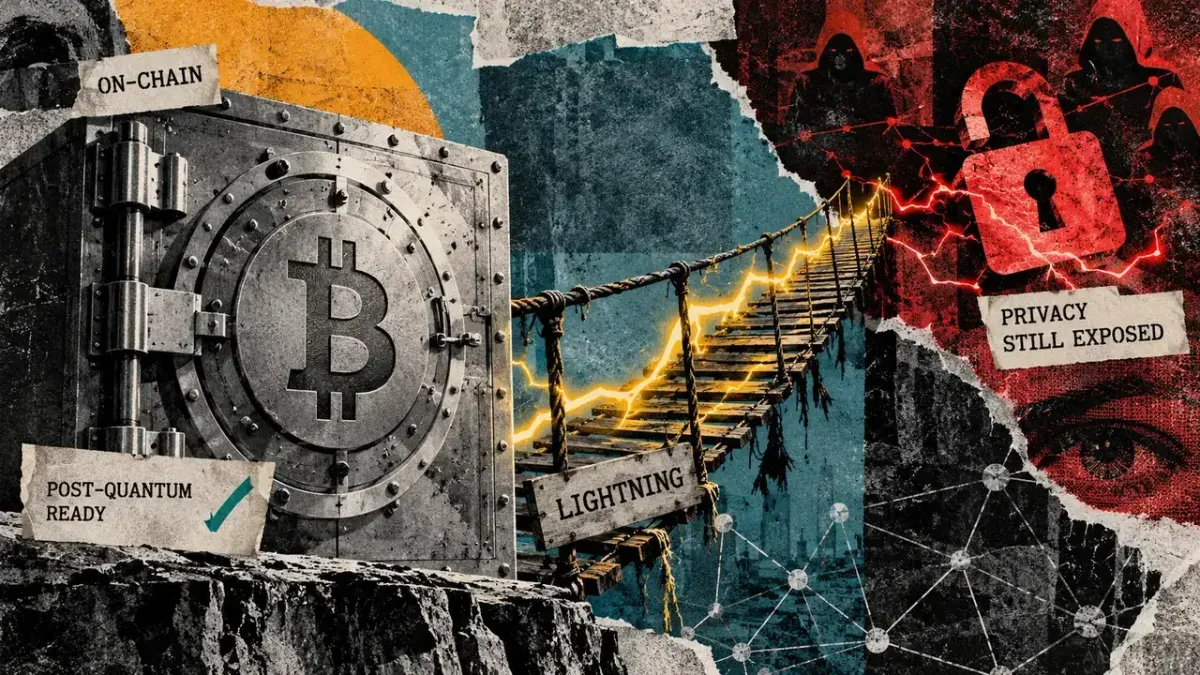
PQLN enhances Bitcoin's quantum safety but raises privacy concerns for Lightning

Canada's major banks consider tokenized deposits for interbank payments

Canada's major banks initiate tokenized deposit project for digital assets

Solo GP Jed Breed raises $15 million for his second early-stage crypto fund

Crypto industry may increase PAC spending after CLARITY vote failure