PQLN enhances Bitcoin's quantum safety but raises privacy concerns for Lightning
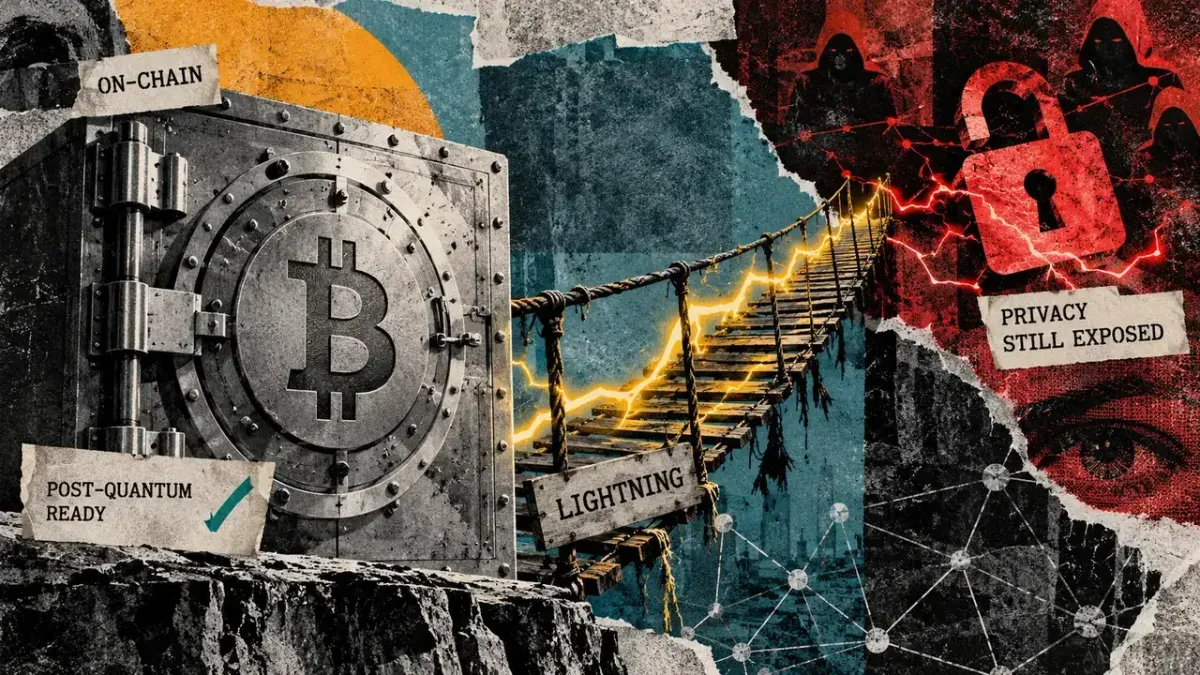
Recent developments in Bitcoin technology have introduced PQLN, a protocol designed to enhance the cryptocurrency's defenses against potential quantum computing threats. This innovative solution protects five off-chain surfaces with sub-millisecond cryptography, aiming to make Bitcoin more resilient in a future where quantum computers could compromise traditional cryptographic systems. However, the default design of PQLN has also sparked concerns, as it increases gossip downloads by 10.2 times, potentially compromising the privacy of Lightning Network transactions.
The concept of quantum safety has gained traction in the crypto community, particularly as discussions around quantum computing's capabilities have intensified. Quantum computers possess the potential to break existing cryptographic algorithms, which could jeopardize the security of various cryptocurrencies, including Bitcoin. With PQLN, developers are attempting to address these future threats, indicating a proactive approach to ensure Bitcoin's longevity and security.
The implications of PQLN for the market are significant. While enhancing Bitcoin’s quantum safety is a step in the right direction, the increase in gossip downloads raises red flags about the privacy of users on the Lightning Network. As privacy remains a cornerstone of cryptocurrency adoption, any protocol that inadvertently compromises it could face backlash from users and developers alike, creating a delicate balance between security and confidentiality.
Industry experts have shared mixed reactions to the introduction of PQLN. Some view it as a crucial advancement that could safeguard Bitcoin against future threats, while others express concern over the trade-offs associated with its implementation. The increase in gossip downloads has led to debates about the potential need for further optimizations to ensure user privacy is not sacrificed. Developers and privacy advocates are likely to collaborate to address these challenges in the coming months.
Looking ahead, the future of Bitcoin and the Lightning Network could hinge on how effectively these issues are addressed. It will be essential for developers to find a way to implement quantum safety without compromising privacy. This may involve refining PQLN or exploring alternative solutions that could meet both security and privacy needs. As the conversation around quantum computing continues to evolve, the crypto landscape will need to adapt accordingly.

CoinMagnetic Team
Crypto investors since 2017. We trade with our own money and test every exchange ourselves.
Updated: September 2026
From our insights:
Related news

Canada's major banks consider tokenized deposits for interbank payments

Canada's major banks initiate tokenized deposit project for digital assets

Solo GP Jed Breed raises $15 million for his second early-stage crypto fund

Crypto industry may increase PAC spending after CLARITY vote failure

SEC's crypto counsel outlines strategy for custody of digital assets