DTCC begins first tokenized stock and Treasury production trades involving JPMorgan, BlackRock and Goldman

The Depository Trust & Clearing Corporation (DTCC) has made waves in the financial world by initiating its first tokenized stock and Treasury production trades, involving prominent players like JPMorgan, BlackRock, and Goldman Sachs. JPMorgan is at the forefront of this initiative, planning to tokenize part of its holdings in the Invesco QQQ Trust, which is managed by DTCC. This move is complemented by the tokenization of assets such as Microsoft shares, Circle, and SPY shares, marking a significant step towards integrating traditional finance with blockchain technology. The DTCC aims to enhance efficiency, reduce settlement times, and lower costs associated with trading.
To understand the importance of this development, it's crucial to consider the broader context of the financial industry. The DTCC, a key infrastructure player in the financial markets, has been exploring the use of blockchain technology for several years. The transition to tokenized assets is a natural evolution as financial institutions seek to modernize their operations and improve transaction transparency and security. The involvement of industry giants like JPMorgan, BlackRock, and Goldman Sachs signals a growing acceptance of digital assets and the potential for blockchain to revolutionize traditional trading mechanisms.
This initiative has broad implications for the market as it not only demonstrates the viability of tokenized assets but also sets a precedent for other financial institutions to follow. By embracing tokenization, these firms are likely to attract a new wave of investors who are more comfortable with digital assets. The ability to trade tokenized stocks and Treasuries could lead to greater liquidity and accessibility, opening up investment opportunities for a wider audience. Furthermore, this could catalyze regulatory bodies to provide clearer guidelines for digital asset trading, thereby fostering a more robust market environment.
Industry reaction has been largely positive, with experts praising the DTCC's move as a pivotal moment for both the blockchain and traditional finance sectors. Analysts believe that the successful implementation of tokenized trades could lead to increased adoption of blockchain technology across various financial services, including custody and settlement systems. Some industry insiders have pointed out that this initiative could serve as a model for future collaborations between traditional financial institutions and fintech companies, ultimately bridging the gap between two worlds that have historically operated in silos.
Looking ahead, it will be interesting to see how this development unfolds and what it means for the future of trading. As more institutions potentially join the tokenization movement, we may witness a paradigm shift in how securities are issued and traded. The DTCC’s pilot program could pave the way for broader applications of blockchain technology in finance, encouraging greater innovation and collaboration. Stakeholders will be closely monitoring the results of these initial trades to assess their impact on market dynamics and the potential for further integration of digital assets into the financial ecosystem.

CoinMagnetic Team
Crypto investors since 2017. We trade with our own money and test every exchange ourselves.
Updated: July 2026
From our insights:
Related news

Bitwise CIO Matt Hougan points to fundamental indicators signaling a crypto spring

Federated Hermes pairs with Prometheum to launch onchain fund shares
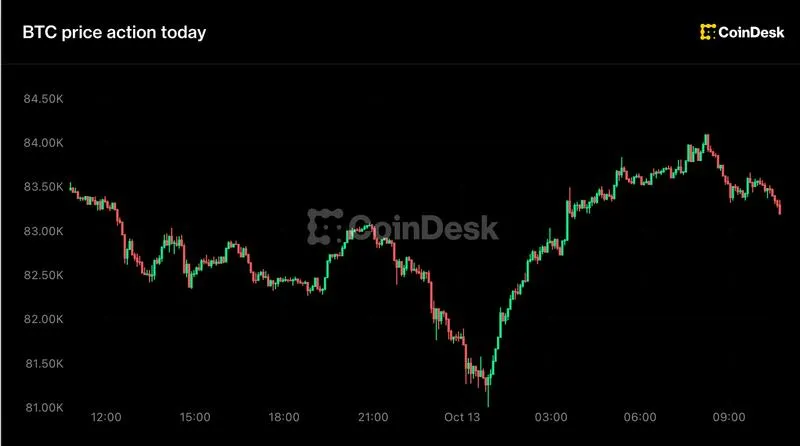
Bitcoin fluctuates from $81,000 to $84,000 while major altcoins decline

Zero-interest bonds allow Metaplanet to keep bitcoin while clearing debt
Standard Chartered offers RLUSD custody in Dubai and plans LMAX collateral link