Delaware Advances Bill to Ban ‘Predatory’ Bitcoin ATMs
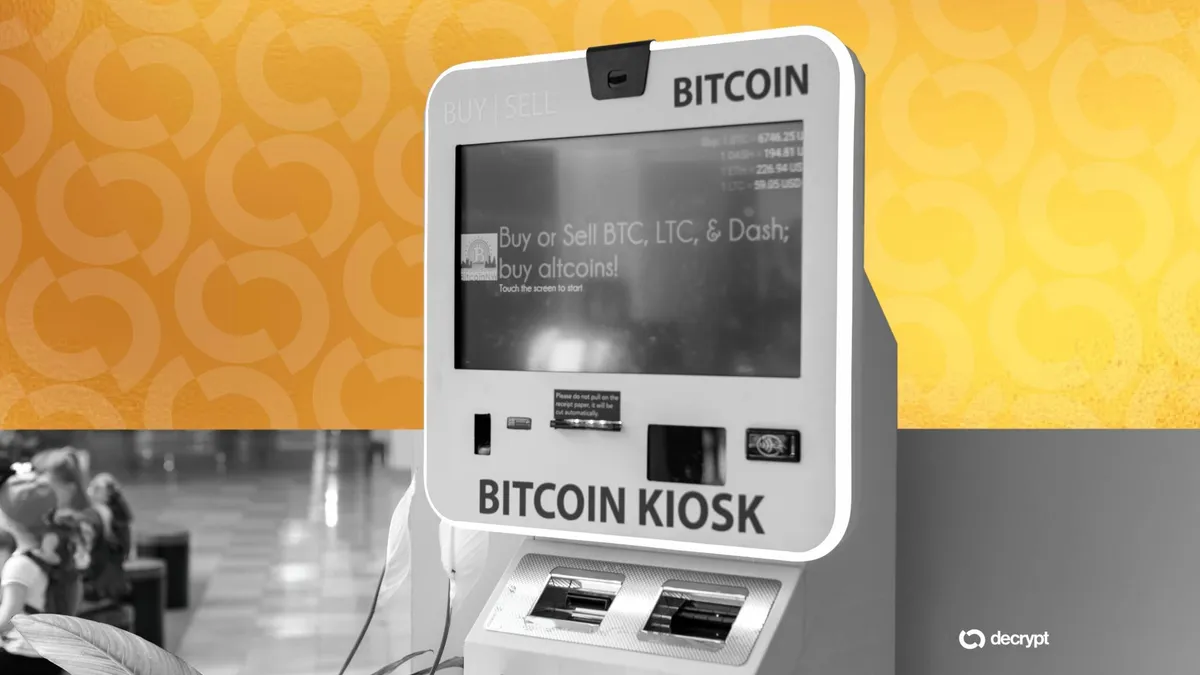
Delaware lawmakers have taken significant steps to regulate cryptocurrency by advancing a bill aimed at banning all Bitcoin ATMs statewide. The proposed legislation, which is designed to curb what officials have termed “predatory” practices associated with these kiosks, mandates the physical removal of all cryptocurrency vending machines within 90 days of the bill's passage. This move reflects a growing concern among legislators regarding consumer protection and the potential for fraudulent activities associated with cryptocurrency transactions, particularly in unregulated environments.
The backdrop to this legislative push includes a broader national conversation around cryptocurrency regulation. As digital currencies gain popularity, state and federal authorities have expressed increasing apprehension about the risks posed to consumers. Delaware's initiative is part of a trend where various states are scrutinizing the operations of cryptocurrency ATMs and other related services. Lawmakers argue that these machines often target vulnerable populations and can lead to significant financial losses for individuals who may not fully understand the implications of using them.
This legislation could have far-reaching implications for the cryptocurrency market in Delaware and beyond. As one of the first states to take such a definitive stance against Bitcoin ATMs, Delaware sets a precedent that could inspire similar measures in other states. The decision to ban these kiosks may lead to a decrease in the accessibility of cryptocurrency for residents, potentially stifling local adoption and innovation in the blockchain space. Furthermore, it raises questions about how businesses operating in this sector will adapt to such regulatory changes, especially if they are unable to provide alternative options for consumers to engage with cryptocurrencies.
Industry reaction to Delaware's proposed ban has been mixed. Some experts and advocates argue that while consumer protection is essential, outright bans could hinder the growth of the cryptocurrency ecosystem, pushing users towards unregulated platforms that may pose even greater risks. Others have highlighted the need for more comprehensive regulations that address the concerns raised without completely eliminating access to digital currencies. The conversation around this legislation is likely to evolve as stakeholders in the cryptocurrency space, including operators of Bitcoin ATMs, consumers, and regulators, weigh the potential consequences of such a ban.
Looking ahead, the outcome of this bill will be closely watched by both proponents and opponents of cryptocurrency regulation. If passed, it could prompt a wave of similar legislative efforts across the country, as other states evaluate their own regulatory frameworks regarding digital currencies. Conversely, should the bill face resistance or amendments, it may signal a push towards more balanced approaches that seek to protect consumers while still fostering innovation in the cryptocurrency market. As this situation unfolds, continued dialogue among industry participants, lawmakers, and the public will be crucial in shaping the future of cryptocurrency regulation.

CoinMagnetic Team
Crypto investors since 2017. We trade with our own money and test every exchange ourselves.
Updated: June 2026
From our insights:
Related news

Crypto sector emerges as top donor with $206 million in midterms backing

Stand With Crypto’s 4 million registered advocates couldn’t get the CLARITY Act through the Senate

Kakao Pay, KakaoBank to explore stablecoin opportunities with Fireblocks

US Attorney's investigation into Binance focuses on Iran sanctions compliance

ECB initiates wholesale digital euro for banks and tokenized bond purchases