DeFi’s automated yield protocols were built for retail, now they just add another layer of risk

Automated yield protocols have been a game changer in the decentralized finance (DeFi) landscape, particularly for retail investors seeking a simplified entry into the crypto market. These protocols have been designed to minimize the complexity associated with yield farming, allowing users to deposit assets into a vault and letting the protocol handle the rest–from optimizing yield strategies to managing liquidity. Stake DAO, for example, has emerged as a popular option for those looking to gain exposure to the boosted yields provided by Curve without needing to navigate the intricacies of CRV locks, vote power, and various incentives. However, as these protocols have proliferated, concerns are growing about the additional layers of risk they introduce.
The rise of automated yield protocols can be traced back to the initial surge of interest in DeFi, which promised high returns without the need for extensive knowledge or active management. Initially, these protocols attracted a wide range of retail investors by making yield farming accessible to those who may not have the technical expertise to effectively participate in the ecosystem. By abstracting away the complexities of traditional yield farming, the protocols successfully captured the attention of a demographic eager to capitalize on the lucrative opportunities presented by DeFi.
Despite their user-friendly appeal, the incorporation of automated yield protocols raises important questions regarding risk management. As these platforms become increasingly complex and interdependent, the potential for systemic failures grows. Issues such as smart contract vulnerabilities, governance risks, and liquidity issues are magnified in automated environments. Retail investors, who may not fully understand the underlying mechanisms, could find themselves exposed to significant losses if a protocol experiences a failure or if the market shifts unexpectedly. This shift could lead to greater volatility within the DeFi space and might deter some investors from participating altogether.
Industry experts have expressed a mix of optimism and caution regarding the proliferation of automated yield protocols. While many acknowledge their role in broadening access to DeFi, others warn that the risks involved might outweigh the benefits, especially for retail investors who are not well-versed in the complexities of decentralized finance. Some analysts suggest that as the space matures, there may be a need for better education and tools to help users understand the intricacies of these automated systems. Moreover, there is a growing call for more robust regulatory frameworks that could provide clearer guidelines on how these protocols operate, thereby enhancing user safety and confidence.
Looking ahead, it remains to be seen how the market will adapt to these challenges. As automation continues to evolve, developers may need to strike a balance between ease of use and risk management. Innovations in risk assessment tools and insurance mechanisms could emerge, helping to safeguard users' investments while still delivering the convenience that automated yield protocols promise. As the DeFi ecosystem continues to grow and attract both retail and institutional interest, how these challenges are addressed will be crucial in shaping the future landscape of decentralized finance.

CoinMagnetic Team
Crypto investors since 2017. We trade with our own money and test every exchange ourselves.
Updated: May 2026
From our insights:
Related news

Solstice CEO predicts less volatile future for crypto cycles amid liquidity growth

Pragma flags 6 price feeds as critical risk following $3.5M Starknet lending exploit

Ethereum's $120 billion in staking masks underlying supply dynamics

NEAR price surges 80% weekly as Intents volume approaches $30 billion
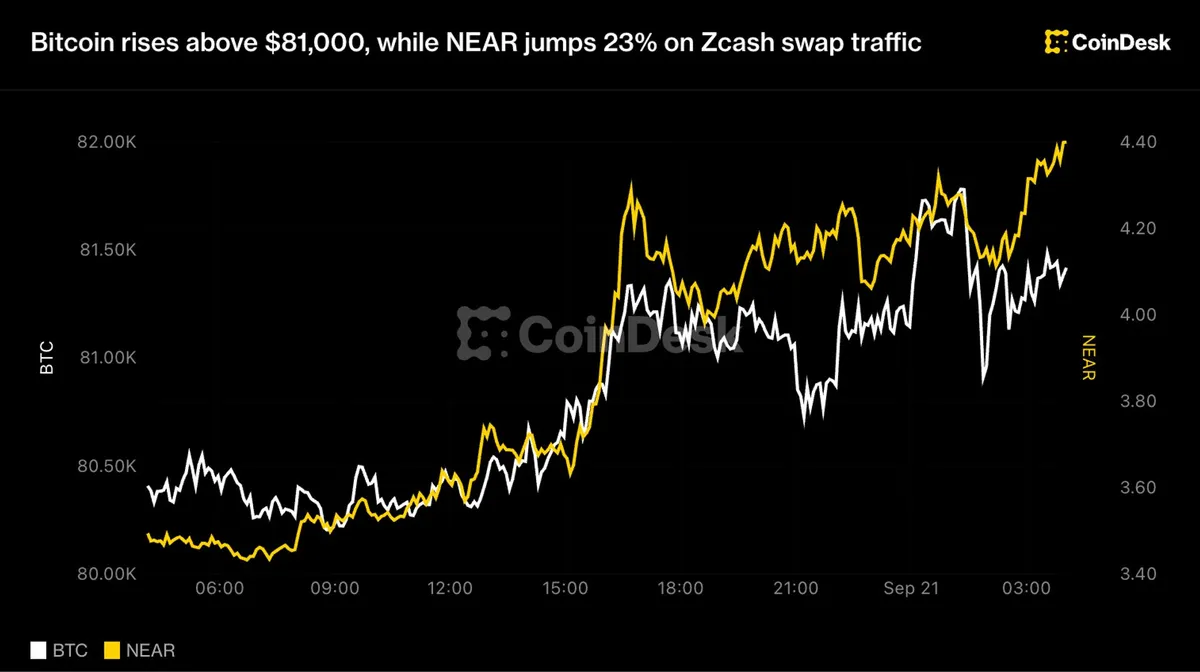
Bitcoin surpasses $81,000 as NEAR surges 23% amid Zcash swap activity