CryptoBandits malware lets criminals use your USB drive to access crypto wallets – Microsoft warns
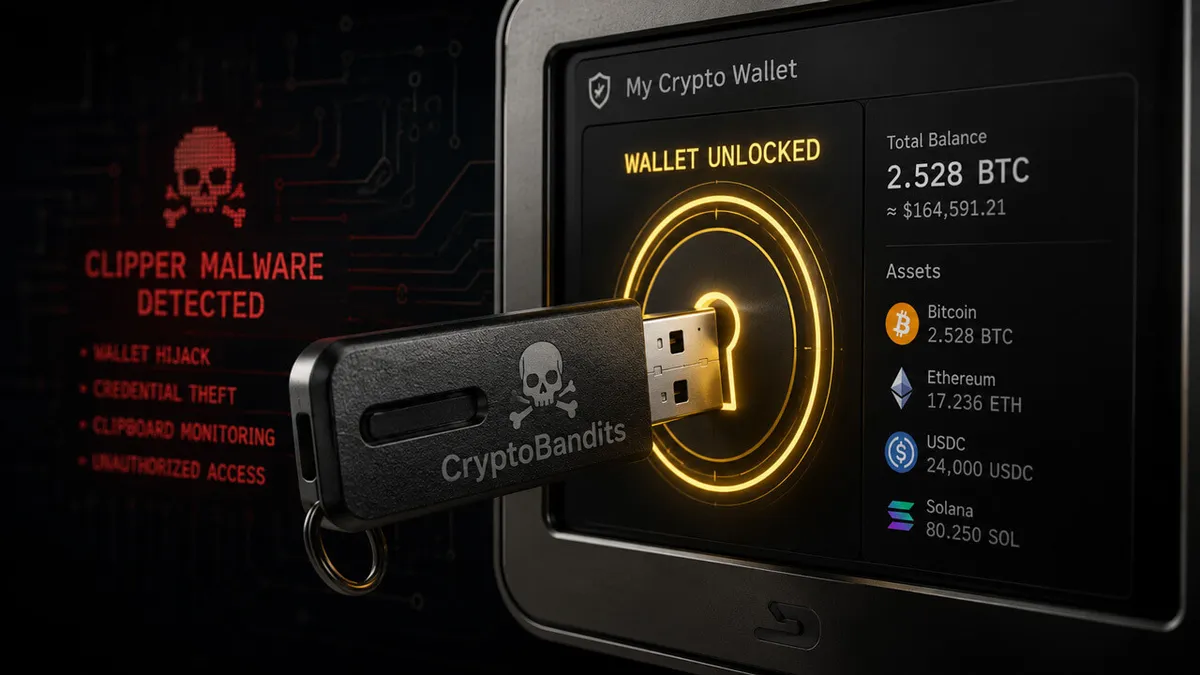
Microsoft has recently unveiled a concerning piece of malware known as CryptoBandits, which poses a significant threat to cryptocurrency users by exploiting vulnerabilities in self-custody wallets. This malware can be particularly dangerous as it allows criminals to hijack a USB drive connected to a compromised Windows machine. When users attempt to access their crypto wallets, CryptoBandits can manipulate crucial elements of the transaction process, such as altering wallet addresses or exposing sensitive seed phrases before a transfer is completed. Additionally, the malware has the capability to send screenshots and contextual information about the wallet back to the attacker, creating a perfect storm for potential theft.
To understand the gravity of this situation, it's important to contextualize the rise of self-custody wallets in the cryptocurrency ecosystem. As more individuals seek to take control of their digital assets, the reliance on personal wallets has surged. However, this shift has not come without risks. Cybercriminals are increasingly targeting users' devices, and CryptoBandits exemplifies the lengths to which they will go to exploit weaknesses in security practices. This malware serves as a stark reminder that while decentralization offers users more control over their assets, it also places the onus of security squarely on the individual.
The implications for the cryptocurrency market are profound. As trust in the security of self-custody solutions wanes, users may hesitate to engage with their wallets or make transactions, potentially leading to reduced activity in the crypto space. Furthermore, as awareness of such malware spreads, it could deter new users from entering the market altogether. The overall sentiment surrounding cryptocurrency could shift as concerns about security overshadow the benefits of decentralization and self-management.
Industry experts have reacted with alarm to the news of CryptoBandits, emphasizing the need for heightened security measures among cryptocurrency users. Many suggest that individuals should adopt additional layers of protection, such as hardware wallets, two-factor authentication, and regular updates to their security software. Additionally, experts are calling for a more robust public education campaign to inform users about the risks associated with malware and phishing attacks, particularly in the context of self-custody.
Looking ahead, we anticipate that the industry will respond with both technological advancements and community initiatives aimed at improving security in cryptocurrency transactions. Developers may prioritize creating more resilient wallet solutions that can withstand malware attacks. Simultaneously, increased collaboration between cybersecurity firms and the crypto industry could lead to the development of tools designed to detect and neutralize threats like CryptoBandits. As the landscape continues to evolve, staying informed and adapting security practices will be crucial for anyone navigating the cryptocurrency market.

CoinMagnetic Team
Crypto investors since 2017. We trade with our own money and test every exchange ourselves.
Updated: June 2026
From our insights:
Related news

Crypto firms put $206 million behind the midterms: here’s who their political machine is backing

Stand With Crypto’s 4 million registered advocates couldn’t get the CLARITY Act through the Senate

Kakao Pay, KakaoBank to explore stablecoin opportunities with Fireblocks

US Attorney's investigation into Binance focuses on Iran sanctions compliance

ECB initiates wholesale digital euro for banks and tokenized bond purchases