Crypto perps’ US future to be defined by what regulators decide to call them

The future of crypto perpetual contracts, commonly known as perps, in the United States is increasingly dependent on regulatory definitions and classifications. Recent developments have seen agencies engaging in a dialogue about how these products should be categorized, turning the issue into a public contest. This discussion is crucial as it could shape the legal landscape for crypto derivatives in the U.S. The outcome of these definitions may determine the trajectory of innovation and compliance within the crypto space, impacting everything from market participation to the types of products that can be offered to investors.
To understand the significance of this debate, we must look at the broader context of regulatory scrutiny in the cryptocurrency industry. As the market matures, regulators have been working to establish clear frameworks that govern various crypto products and services. However, the definitions of terms like “perpetual contracts” and “event contracts” remain ambiguous. This lack of clarity can lead to significant differences in how products are treated under the law, affecting the ability of companies to operate and innovate within the space. The current discussions among regulatory bodies reflect an ongoing effort to address these ambiguities and set a precedent for the future of crypto derivatives in the U.S.
The implications of how regulators classify perps are profound for the market. A favorable classification could pave the way for more robust trading environments, attracting institutional investors and leading to increased liquidity. Conversely, a restrictive definition could stifle innovation and limit the growth of crypto derivatives in the U.S. market, pushing traders and firms to more favorable jurisdictions. As the competition intensifies globally among crypto hubs, the U.S. must navigate its regulatory landscape carefully to maintain its position as a leader in the financial technology sector.
Industry experts have expressed mixed reactions to the ongoing discussions. Some advocate for clear and flexible regulations that allow for innovation while ensuring consumer protection. Others warn that too much regulatory oversight could hinder growth and push businesses offshore. Notably, several prominent voices in the crypto space have called for collaborative efforts between regulators and industry participants to establish a framework that balances regulation with the need for innovation. This dialogue is essential as it may influence not only the future of perps but also broader regulatory practices in the cryptocurrency sector.
As we look forward, the next steps will likely involve a series of consultations and discussions among various stakeholders, including regulators, industry leaders, and legal experts. The outcome of these conversations will be pivotal in shaping the regulatory environment for crypto derivatives in the U.S. The attention on product definitions underscores the need for clarity and a proactive approach to regulation that can adapt to the rapidly evolving landscape of the cryptocurrency market. Ultimately, how regulators choose to define these products will have lasting implications for the industry as a whole.

CoinMagnetic Team
Crypto investors since 2017. We trade with our own money and test every exchange ourselves.
Updated: June 2026
From our insights:
Related news
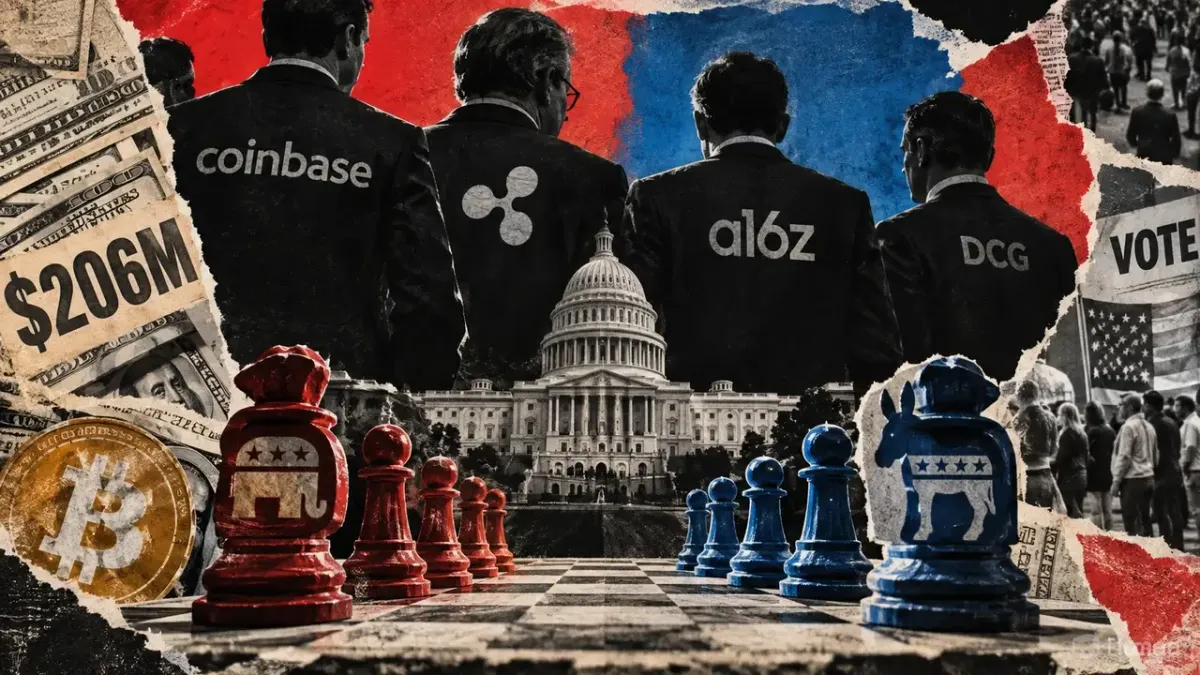
Crypto sector emerges as top donor with $206 million in midterms backing
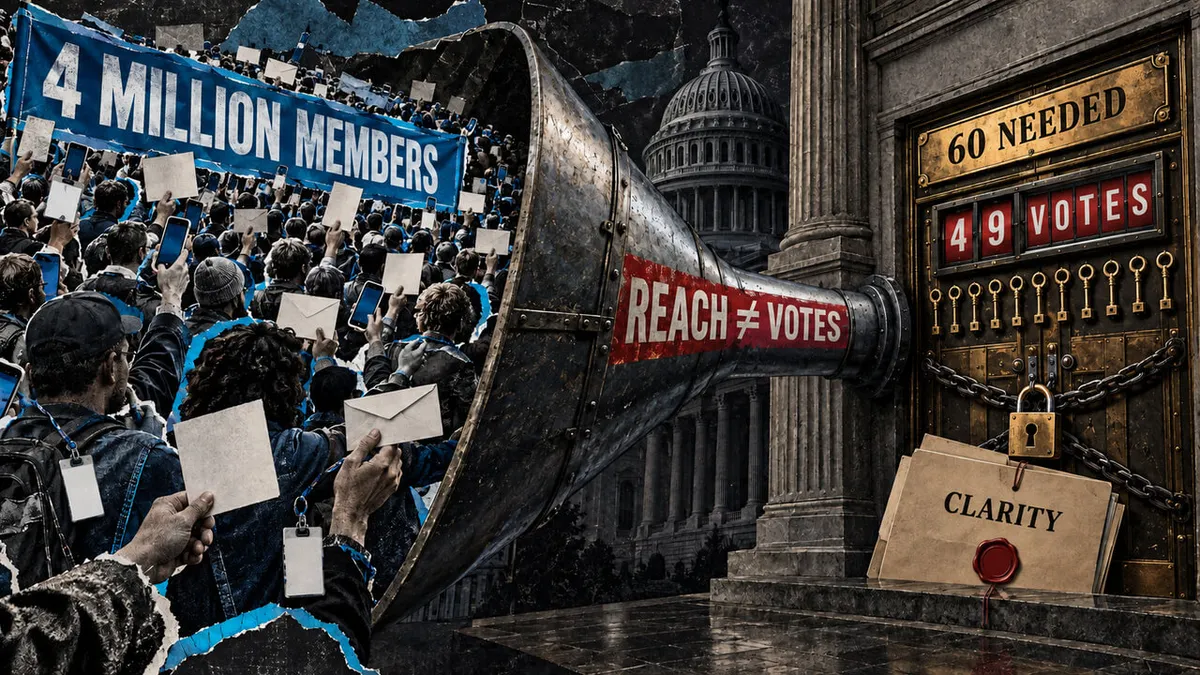
Stand With Crypto’s 4 million registered advocates couldn’t get the CLARITY Act through the Senate

Kakao Pay, KakaoBank to explore stablecoin opportunities with Fireblocks

US Attorney's investigation into Binance focuses on Iran sanctions compliance

ECB initiates wholesale digital euro for banks and tokenized bond purchases