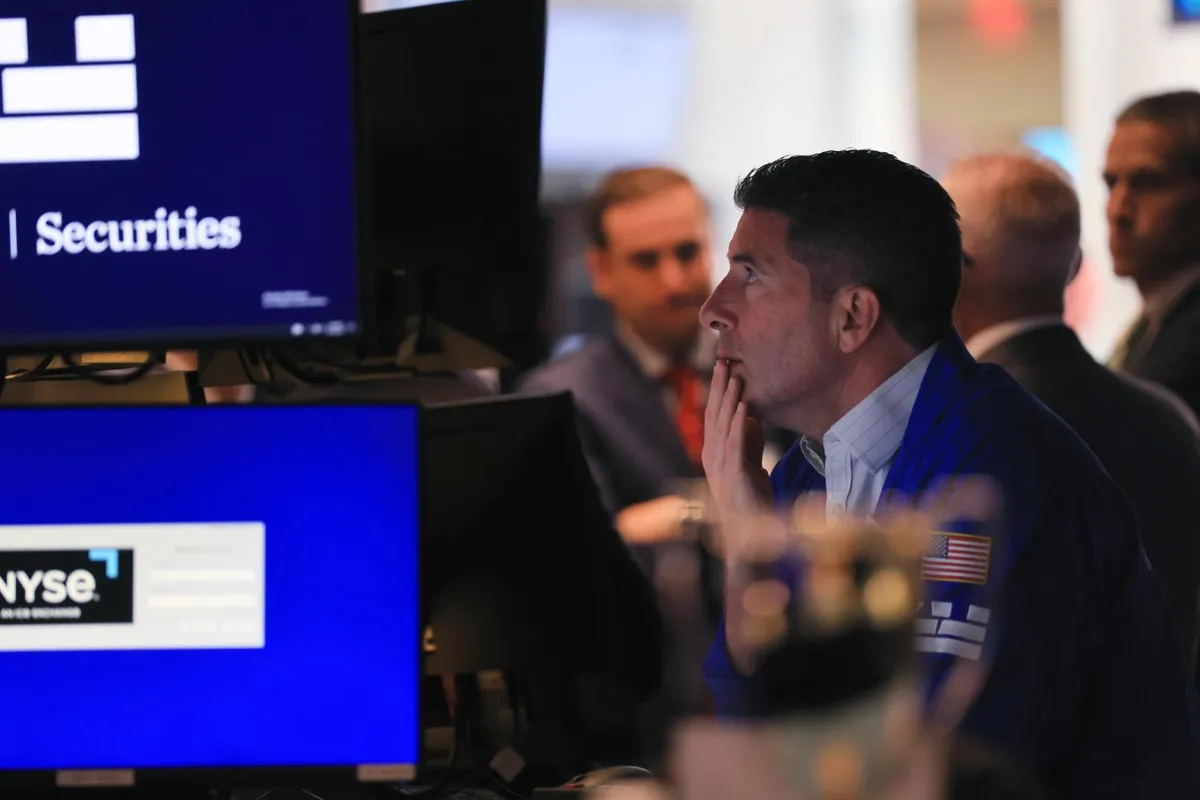
Crypto PAC-backed Adrian Boafo secures victory in Maryland Democratic primary
Adrian Boafo has emerged victorious in the Maryland Democratic primary, bolstered by substantial support from Protect Progress, a super PAC linked to Fairshake. This victory is particularly noteworthy as it underscores the growing influence of political action committees (PACs) in the realm of cryptocurrency and how they can shape electoral outcomes. Boafo's campaign has attracted attention not only for its political implications but also for its strong ties to the crypto industry, marking a significant moment for crypto advocacy within political spheres.
The context surrounding this victory is rooted in the increasing intersection of cryptocurrency and politics. As the crypto landscape continues to evolve, so too does its engagement with traditional political frameworks. Protect Progress, which has been instrumental in Boafo's campaign, highlights the potential for super PACs to leverage their financial clout to support candidates who align with their interests–particularly in a landscape where regulatory frameworks for cryptocurrencies are still being debated and developed. This situation reflects a broader trend where crypto advocates seek to influence policy through active participation in the political process.
Boafo's win is significant for the crypto market, as it suggests a growing acceptance and integration of crypto-related interests into mainstream political discourse. This could potentially lead to more favorable regulatory conditions for the crypto industry, as elected officials who understand the technology and its implications gain more influence. The outcome of this primary may signal to other politicians the viability of aligning with crypto interests, which could have a ripple effect across various state and national elections as candidates seek to capitalize on the growing crypto voter base.
Industry reactions to Boafo's victory have been mixed, with some experts praising the move as a step towards greater representation for crypto enthusiasts in government. Others, however, express caution, highlighting the need for clear communication between the crypto community and political entities to ensure that the interests of all stakeholders are adequately represented. The implications of this election extend beyond Maryland, as other states may observe the dynamics at play and consider similar strategies in their own political landscapes.
Looking ahead, the success of Adrian Boafo could pave the way for more candidates from the crypto space to enter politics, potentially leading to a new wave of legislation that could shape the future of the industry. As the political landscape continues to evolve, it will be crucial to monitor how these developments impact regulatory frameworks and the overall sentiment towards cryptocurrencies at both the state and federal levels. The outcome of this primary may be just the beginning of a broader trend toward increased crypto engagement in politics.

CoinMagnetic Team
Crypto investors since 2017. We trade with our own money and test every exchange ourselves.
Updated: June 2026
From our insights:
Related news
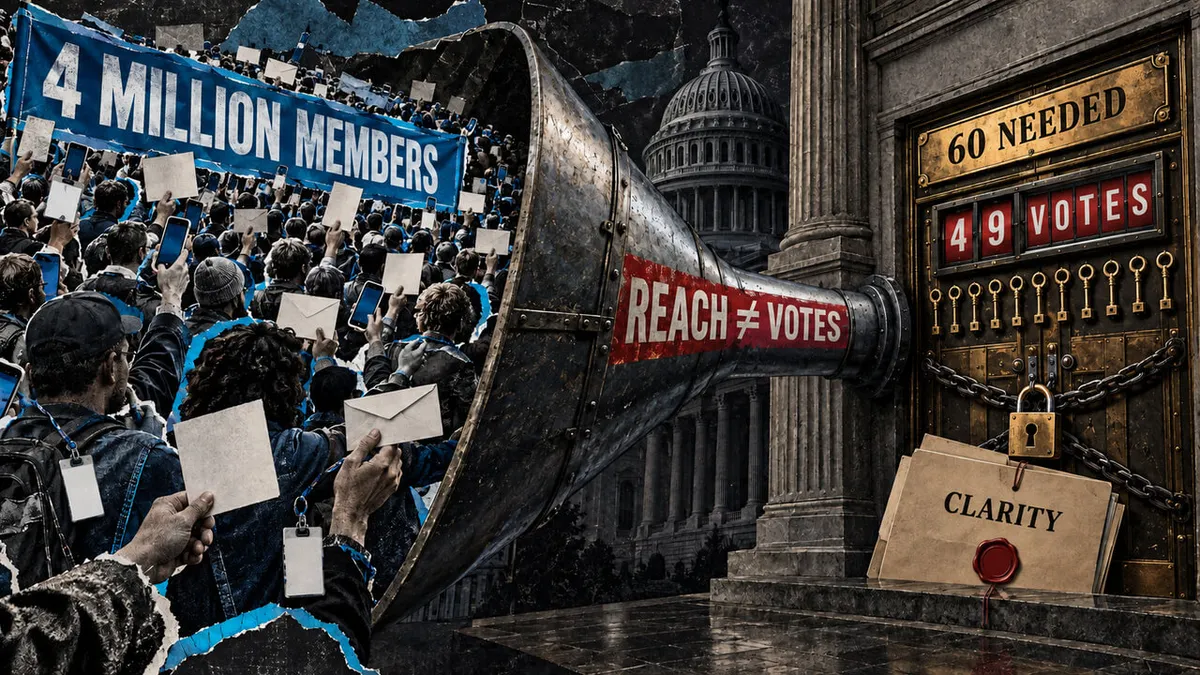
Stand With Crypto’s 4 million registered advocates couldn’t get the CLARITY Act through the Senate

Kakao Pay, KakaoBank to explore stablecoin opportunities with Fireblocks

US Attorney's investigation into Binance focuses on Iran sanctions compliance
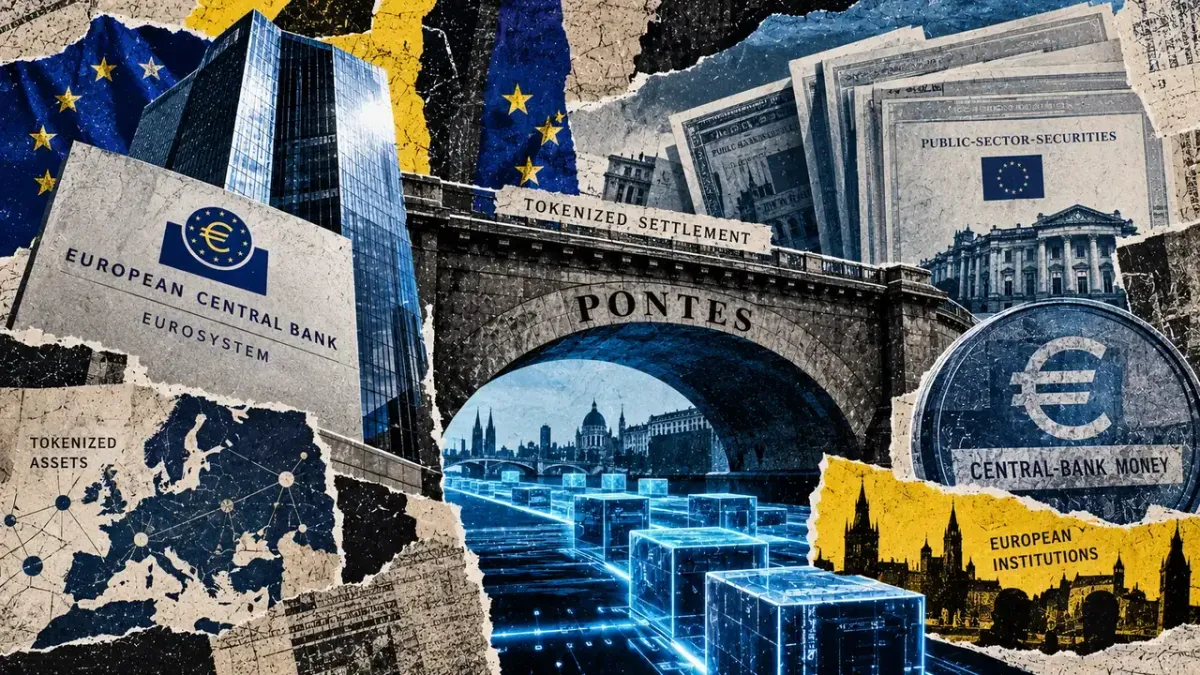
ECB initiates wholesale digital euro for banks and tokenized bond purchases

X files lawsuit against two influencers over $278,000 payout scheme