Crypto Long & Short: Protecting the people building DeFi infrastructure

In the latest installment of the Crypto Long & Short newsletter, Jennifer Rosenthal highlights an urgent issue facing the decentralized finance (DeFi) sector – the protection of those who are actively building its infrastructure. As the DeFi landscape continues to evolve, it becomes increasingly clear that the developers and innovators behind these projects are exposed to various risks, including regulatory scrutiny and market volatility. Rosenthal advocates for stronger support mechanisms that ensure these builders can operate safely and sustainably, emphasizing that their success is crucial for the broader adoption of DeFi technologies.
To contextualize this discussion, we need to recognize the rapid growth of DeFi over the past few years. Originally positioned as a disruptive force within the financial industry, DeFi projects have gained traction by offering users new ways to lend, borrow, trade, and earn interest on their assets without traditional intermediaries. However, this explosive growth has not been without its challenges. Issues such as smart contract vulnerabilities, regulatory uncertainty, and the ever-present threat of hacks have put significant pressure on developers. As a result, the need for robust support systems has become more pressing than ever.
The significance of Rosenthal's argument lies in the potential consequences for the entire crypto market. If the individuals who create and maintain DeFi systems are left unprotected, it could stifle innovation and hinder the development of new solutions that could benefit users and investors alike. A thriving DeFi ecosystem relies on the ingenuity and security of its builders, and without adequate safeguards, we risk losing out on the transformative potential of these technologies. Furthermore, as regulatory bodies around the world continue to scrutinize the crypto sector, ensuring that developers are protected could also mitigate some of the risks associated with compliance and legal challenges.
In response to these concerns, industry experts have begun to weigh in on the need for a more supportive environment for DeFi developers. Many are calling for clearer regulatory frameworks that not only protect consumers but also foster innovation. Some industry leaders emphasize the importance of building community-driven initiatives that provide resources and guidance for developers navigating the complexities of the DeFi landscape. Others are advocating for insurance products tailored specifically to cover risks associated with DeFi projects, allowing builders to focus on innovation without the constant fear of failure.
Looking ahead, the conversation around protecting DeFi builders is likely to gain further momentum as the industry matures. As more stakeholders recognize the importance of a safe and supportive environment for developers, we may see the emergence of new collaborative efforts aimed at creating standards and best practices. Additionally, as Ethereum's Layer 2 (L2) solutions face scrutiny for design flaws – as highlighted by Alexis Sirkia in the newsletter – addressing the challenges faced by builders will become increasingly vital. Ultimately, ensuring the safety and sustainability of those who innovate within DeFi could pave the way for a more robust and resilient ecosystem in the long run.

CoinMagnetic Team
Crypto investors since 2017. We trade with our own money and test every exchange ourselves.
Updated: April 2026
From our insights:
Related news
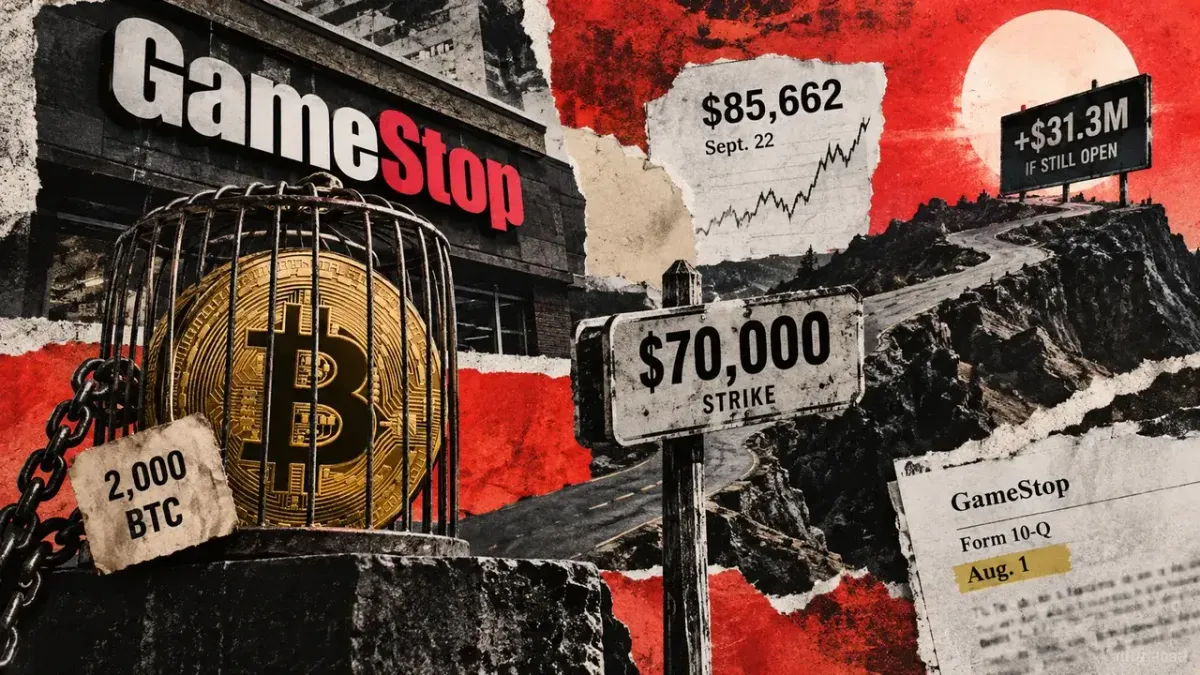
GameStop possibly forfeits $31 million in Bitcoin gains from options trade

Researchers trace 1.1 million Bitcoin to early miner but Satoshi's identity remains unclear
Bitcoin, ether perpetual volumes on Kalshi are dominated by an unusual, repetitive trade, data shows

Moscow Exchange introduces 5 crypto perpetual futures amid 600 billion ruble demand
SoFi begins stablecoin settlement on Mastercard network for program expected to exceed $25 billion in annualized volume