Meta is paying creators in Stablecoins. Spending them is someone else's problem
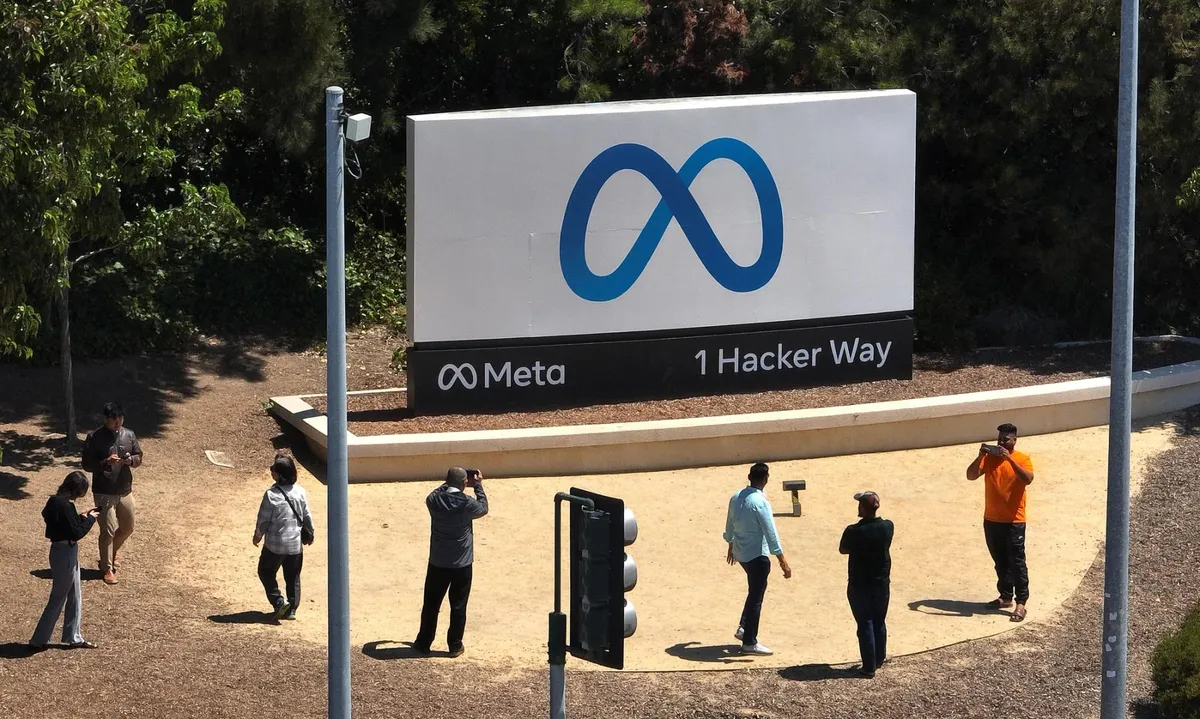
Meta has announced a significant move in the creator economy by opting to pay its content creators in USDC, a popular stablecoin pegged to the US dollar. This decision underscores the growing acceptance of stablecoins as a legitimate and mainstream disbursement tool within the digital economy. By integrating cryptocurrency payments into its platform, Meta is not only acknowledging the rise of blockchain technology but is also positioning itself at the forefront of the evolving financial landscape. However, this shift raises important questions about the usability and conversion of these digital assets into local currencies, a challenge that remains largely unresolved in the crypto space.
To understand the implications of Meta's choice, it is essential to consider the broader context of stablecoins. These digital currencies aim to combine the stability of traditional fiat currencies with the advantages of blockchain technology, such as faster transactions and lower fees. Over the past few years, stablecoins have gained traction among investors and users alike, with USDC emerging as one of the most trusted options. Meta's decision to pay creators in USDC signals a significant endorsement of stablecoins, potentially accelerating their adoption across various sectors. Yet, the transition from a digital asset to cash that can be spent in everyday life continues to be a hurdle that many users face.
The impact of Meta’s payment method on the market could be substantial. As more companies recognize the efficiency and appeal of crypto payments, we may see an increase in the acceptance of stablecoins as a standard form of payment. This could lead to greater liquidity in the market and a shift in how value is exchanged, particularly among digital content creators. However, until the issue of converting stablecoins to local currencies is addressed, the full potential of this payment method may remain untapped. The friction in this process can deter widespread adoption, limiting the benefits that both creators and businesses might gain from using stablecoins.
Industry experts have weighed in on Meta's decision, acknowledging both the potential benefits and the challenges it presents. Some see this as a progressive step towards integrating cryptocurrency into mainstream financial practices, while others caution that unless the process for converting stablecoins into usable currency is streamlined, this innovation may not achieve its intended impact. The ongoing discourse highlights a divide between the excitement surrounding digital currencies and the practical realities that users encounter in their day-to-day transactions.
Looking ahead, it will be crucial for Meta and other platforms to address the conversion issue if they want to sustain momentum in the use of stablecoins. Enhancing partnerships with payment processors and financial institutions could streamline the process for creators, making it easier for them to access their earnings in a way that aligns with their needs. As the market evolves, we may see emerging solutions that bridge the gap between digital dollars and fiat currencies, ultimately driving further adoption of cryptocurrency as a viable payment option.

CoinMagnetic Team
Crypto investors since 2017. We trade with our own money and test every exchange ourselves.
Updated: June 2026
From our insights:
Related news

GameStop possibly forfeits $31 million in Bitcoin gains from options trade

Researchers trace 1.1 million Bitcoin to early miner but Satoshi's identity remains unclear
Bitcoin, ether perpetual volumes on Kalshi are dominated by an unusual, repetitive trade, data shows

Moscow Exchange introduces 5 crypto perpetual futures amid 600 billion ruble demand
SoFi begins stablecoin settlement on Mastercard network for program expected to exceed $25 billion in annualized volume