AI’s $800 billion spending boom is becoming Bitcoin’s Fed problem

In recent developments, the intersection of artificial intelligence (AI) spending and the cryptocurrency market–particularly Bitcoin–has raised eyebrows across financial sectors. Wall Street's enthusiasm for AI has led to an estimated $800 billion spending boom, positioning it as a key driver of growth and profitability. Investors have viewed AI as a transformative technology that could enhance productivity and justify elevated valuations in various industries. However, the Federal Reserve's recognition of these trends has introduced a layer of complexity for Bitcoin, which finds itself facing potential headwinds as monetary policy adapts to these rapid changes.
The backdrop for this situation is one of heightened inflation and interest rate adjustments. Over the past couple of years, the Fed has been vigilant in its efforts to control inflation, leading to a series of interest rate hikes. As AI spending rises, the Fed is likely to interpret this as a signal of economic strength, prompting further tightening measures. This could dampen the speculative fervor that often drives Bitcoin prices, as increased borrowing costs may deter investment in riskier assets, including cryptocurrencies.
The implications for the market are significant. Bitcoin has often been viewed as a hedge against inflation and a store of value, yet if the Fed continues to raise rates in response to robust AI-led economic growth, Bitcoin could face downward pressure. Investors may shift their focus towards more traditional equities that are better positioned to benefit from the growth and productivity gains associated with AI. This pivot could lead to decreased liquidity in the crypto market, as capital flows away from digital assets.
Industry experts are weighing in on the situation, highlighting the nuanced relationship between AI advancements and Bitcoin's market dynamics. Some analysts suggest that while AI may initially boost economic growth, the subsequent regulatory and monetary responses could create a more challenging environment for cryptocurrencies. Others argue that Bitcoin's value proposition as a decentralized asset remains intact, regardless of external economic pressures. The divergence of opinions underscores the complexity of navigating these intertwined sectors.
Looking ahead, it remains to be seen how the Fed will respond to the evolving landscape shaped by AI. Should spending in this sector continue unabated, the likelihood of further interest rate hikes could increase, which may require Bitcoin investors to adapt their strategies. Additionally, we may see increased discussions around the regulatory frameworks governing both AI and cryptocurrencies, as policymakers seek to manage the implications of these rapidly growing industries. As the situation evolves, stakeholders will need to remain vigilant in monitoring the interplay between AI growth and crypto market dynamics.

CoinMagnetic Team
Crypto investors since 2017. We trade with our own money and test every exchange ourselves.
Updated: June 2026
From our insights:
Related news
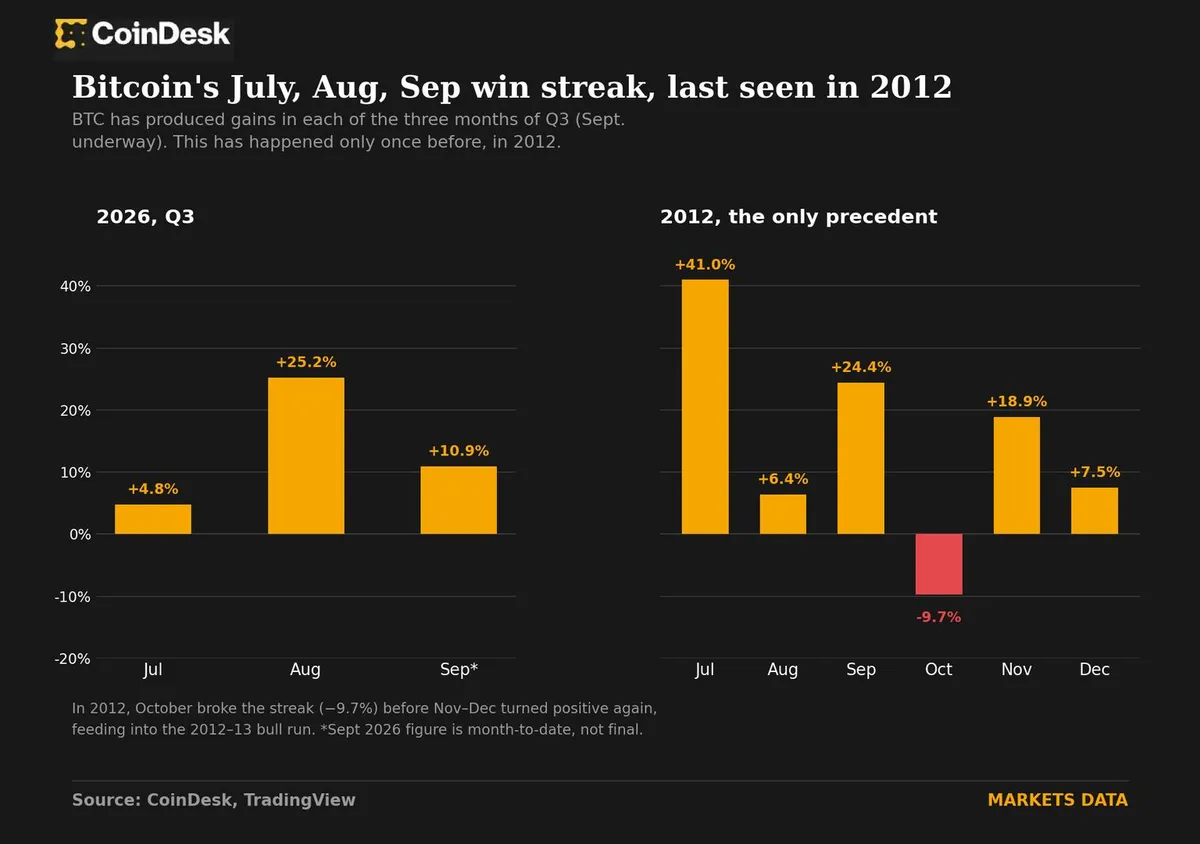
Bitcoin's on a streak it hasn't hit since 2012

CFTC warns against risky prediction market contracts following Trump's speech trades
CFTC issues advisory on risks of cheating in prediction markets

CFTC issues warning on manipulation risks in prediction markets tied to mentions

Ancient wallets move $161 million in bitcoin, including 600 BTC today