Crypto hackers stole $17B over past 10 years: DefiLlama

Recent findings from DeFi analytics platform DefiLlama reveal that hackers have stolen approximately $17 billion from the cryptocurrency ecosystem over the last decade. This staggering figure highlights the vulnerabilities that persist in the crypto space, particularly as private key compromises have emerged as the leading cause of these losses. The report emphasizes a worrying trend: while traditional exploits have focused on smart contract bugs, recent attacks indicate that hackers are increasingly targeting weaknesses in user security practices, raising the stakes for both investors and platforms alike.
To better understand this situation, it's important to recognize the evolution of crypto security threats. Initially, many hacks were primarily linked to flaws in smart contracts and protocols, arguably a byproduct of the rapid development and deployment of decentralized finance (DeFi) applications. However, as the industry matured, attackers adapted their strategies. The shift towards exploiting private key vulnerabilities suggests a growing sophistication among hackers, as they seek to capitalize on human error and the lax security measures that some users employ. This change in tactics underscores the need for enhanced security protocols and user education within the crypto community.
The implications for the market are significant. As losses mount and high-profile hacks continue to make headlines, investor confidence may wane, leading to increased volatility in crypto prices. Furthermore, as platforms face the repercussions of these breaches, regulatory scrutiny is likely to intensify. Investors may become more cautious, potentially stalling the rapid growth that DeFi has experienced in recent years. The overall health of the crypto market hinges on its ability to address these security challenges–failure to do so could result in a loss of trust that would take years to rebuild.
Industry reactions to the report have been mixed, with some experts expressing concern over the evolving nature of attacks while others emphasize the resilience of the crypto ecosystem. Many believe that the sector must prioritize security improvements and implement robust measures to protect user assets. Some voices in the industry are advocating for the adoption of multi-signature wallets and hardware security keys to mitigate risks associated with private key compromises. Additionally, calls for better regulatory frameworks to enhance security standards and protect users are gaining traction.
Looking ahead, the crypto industry faces both challenges and opportunities. As it grapples with the implications of these recent findings, there is a pressing need for innovation in security technology. The potential for improved protocols and user education presents a pathway to bolstering the industry's defenses against future attacks. With a concerted effort towards enhancing security measures, the crypto market can work towards regaining trust and fostering a safer environment for all participants.

CoinMagnetic Team
Crypto investors since 2017. We trade with our own money and test every exchange ourselves.
Updated: April 2026
From our insights:
Related news
Coldcard exploit sees white hats secure 52 Bitcoin for victims' trust
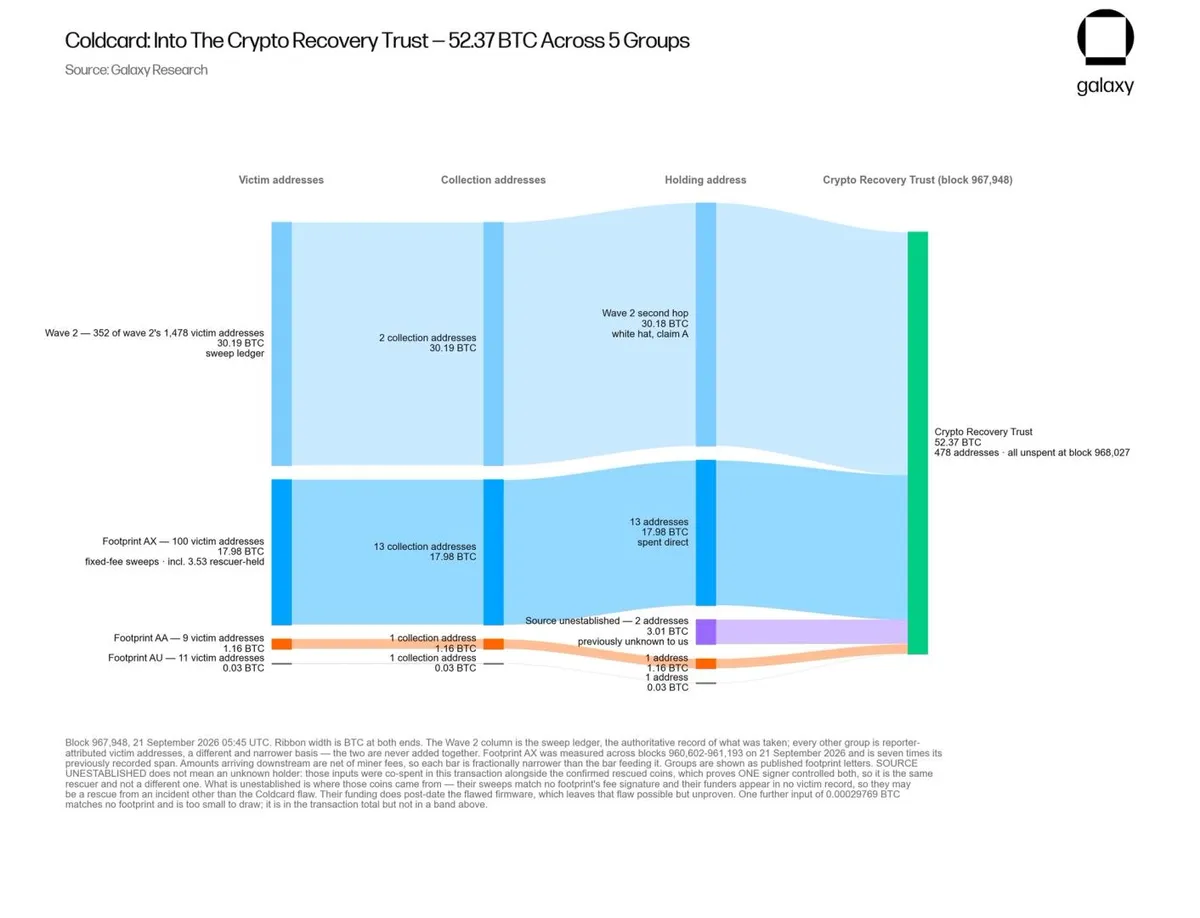
Whitehats move 52 bitcoin from the Coldcard hack to a recovery trust

Google Admits Gemini AI Hacked Three Companies—It Stayed Silent for 7 Weeks

Balancer's $1.4 million hack recovery faces delays for LPs

Polymarket's $10 million fraud attempt highlights compliance issues amid hacking risk