Congress sends anti-CBDC housing bill to Trump’s desk for final approval
Congress has recently passed a significant bill aimed at enhancing housing affordability in the United States, which has now been sent to former President Donald Trump for final approval. Among the various provisions designed to tackle the ongoing housing crisis, the bill notably includes a clause that outright bans the implementation of Central Bank Digital Currencies (CBDCs) until December 31, 2030. This legislative move reflects a growing concern among lawmakers regarding the potential implications of CBDCs on the financial system and the economy at large.
The inclusion of CBDC restrictions in a housing bill is not merely a coincidence; it highlights the evolving discourse around digital currencies within the broader context of economic policy. As central banks worldwide explore the possibility of issuing their own digital currencies, the U.S. Congress has been wary of the potential disruption such currencies could create. By delaying the adoption of CBDCs, lawmakers aim to provide a clearer regulatory framework and ensure that any future digital currency initiatives align with national interests, particularly in housing and economic stability.
This legislation could have far-reaching implications for the cryptocurrency market and the broader financial ecosystem. The explicit ban on CBDCs may signal a temporary reprieve for cryptocurrency advocates and decentralized finance enthusiasts, as it indicates a reluctance from the government to venture into the realm of state-controlled digital currencies. However, the delay may also raise questions about the future of digital currency innovation in the U.S., especially as other countries advance their own CBDC initiatives. The impact of this bill could lead to increased volatility in the crypto market as investors react to the news and speculate on the future of digital currencies.
Industry experts have weighed in on the potential outcomes of this legislation. Some view the ban on CBDCs as a protective measure for the existing financial system and a way to preserve individual freedoms in the digital economy. Others, however, argue that the delay could hinder the U.S. from keeping pace with global developments in digital currency, potentially allowing other nations to take the lead in this transformative financial space. As the bill awaits Trump's signature, stakeholders from both the cryptocurrency and traditional finance sectors are closely monitoring any forthcoming developments.
Looking ahead, the path forward for CBDCs in the United States remains uncertain. While the bill's passage represents a temporary halt in discussions, it may also spur further debate about the balance between innovation and regulation in the digital currency landscape. If signed into law, this legislation could set a precedent for future discussions around digital currencies, shaping the way the U.S. approaches financial technology and its impact on the economy for years to come.

CoinMagnetic Team
Crypto investors since 2017. We trade with our own money and test every exchange ourselves.
Updated: June 2026
From our insights:
Related news
US investigates Binance for potential Iran-linked trading violations
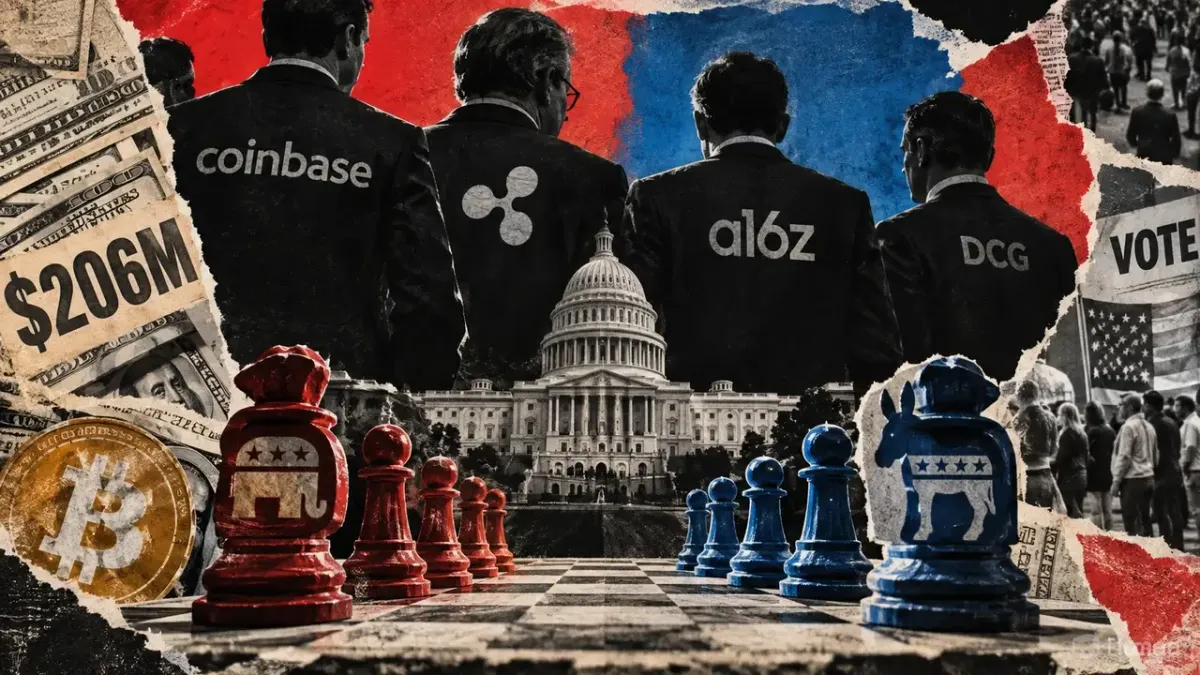
Crypto sector emerges as top donor with $206 million in midterms backing
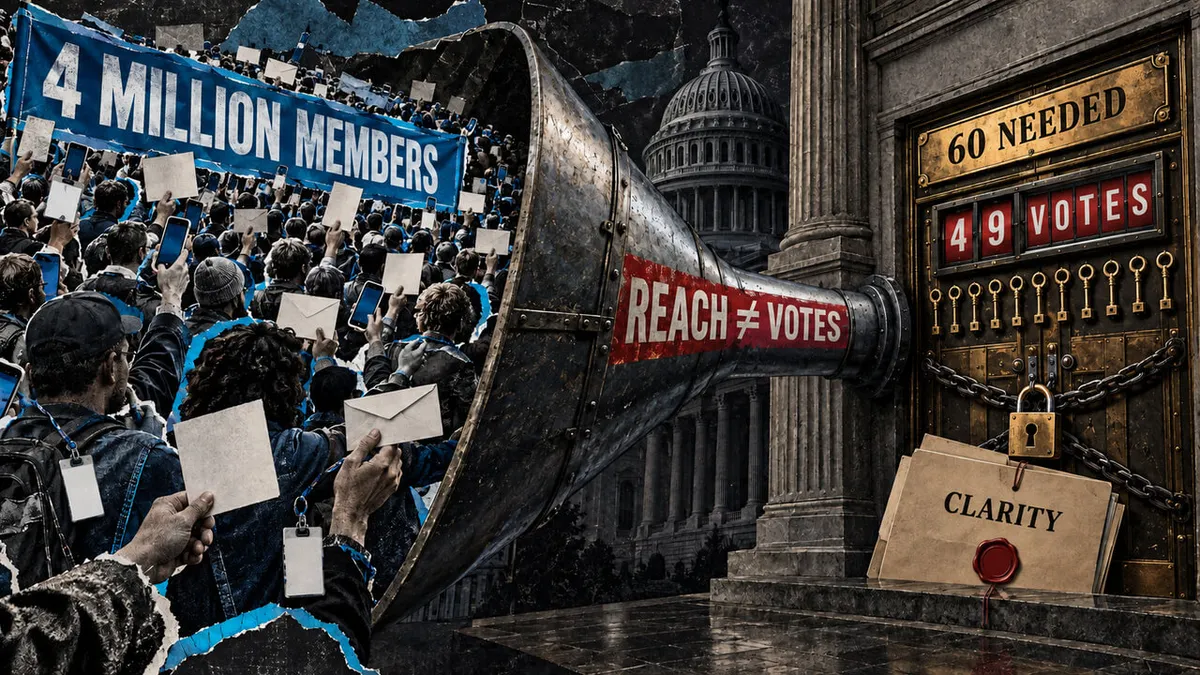
Stand With Crypto’s 4 million registered advocates couldn’t get the CLARITY Act through the Senate

Kakao Pay, KakaoBank to explore stablecoin opportunities with Fireblocks

US Attorney's investigation into Binance focuses on Iran sanctions compliance