Congress reaches deal on housing bill with CBDC ban until 2030
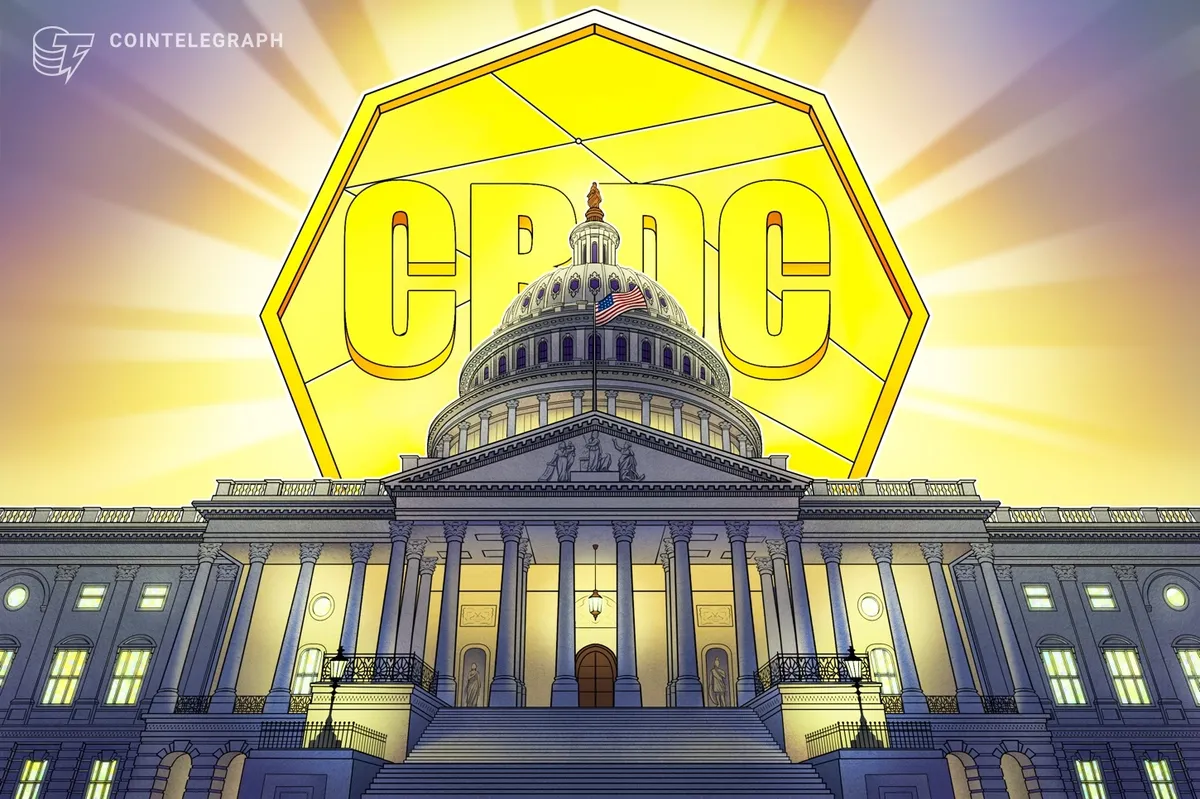
The recent agreement reached by Congressional leaders on a housing bill includes a notable provision: a temporary ban on the introduction of a central bank digital currency (CBDC) until 2030. This decision marks a significant moment in the ongoing debate surrounding digital currencies in the United States. While the housing bill primarily addresses affordable housing issues, the inclusion of the CBDC ban reflects lawmakers' concerns about the implications of such digital assets on the economy and financial system. The legislative package is expected to be voted on soon, which could lead to a formal ban if passed.
This move comes amid a broader context of increasing interest and scrutiny surrounding CBDCs globally. Several countries have been actively researching or implementing their own digital currencies, with central banks exploring the potential benefits and risks associated with this technology. The U.S. Federal Reserve has been studying the feasibility of a CBDC, but the uncertainty surrounding its potential effects on privacy, monetary policy, and the banking system has led to a cautious approach. The decision to include a ban in the housing bill signals a desire among lawmakers to take a step back and assess the implications before moving forward.
The temporary ban on CBDCs could have significant ramifications for the cryptocurrency market and broader financial landscape. For one, it signals a reluctance on the part of U.S. lawmakers to embrace digital currencies fully, which may lead to a more cautious investment environment. This could impact the development of various blockchain technologies and innovations that often rely on the ecosystem surrounding digital currencies. Moreover, a ban could hinder the U.S.'s competitive position against other nations that are moving forward with their CBDC initiatives, potentially impacting the future of cross-border transactions and digital finance.
Industry experts and stakeholders have reacted with a mix of concern and understanding. Some see the ban as an opportunity for further discussion and analysis of the risks and benefits of CBDCs, while others argue that it might stifle innovation in an area that is rapidly evolving. The general sentiment is that while caution is necessary, an outright ban could hinder the United States' ability to adapt to the changing landscape of digital finance. As various sectors of the economy become increasingly digitized, the need for a balanced approach to regulation is becoming more pressing.
Looking ahead, the next steps will depend on the legislative process and how soon the housing bill, including the CBDC ban, can be brought to a vote. If passed, this temporary ban will likely prompt further discussions among policymakers regarding the future of digital currencies in the U.S. and the potential for a more comprehensive regulatory framework. As the global landscape continues to evolve, the U.S. may need to reconsider its stance on CBDCs to remain competitive and innovative in the financial technology sector.

CoinMagnetic Team
Crypto investors since 2017. We trade with our own money and test every exchange ourselves.
Updated: June 2026
From our insights:
Related news
US investigates Binance for potential Iran-linked trading violations
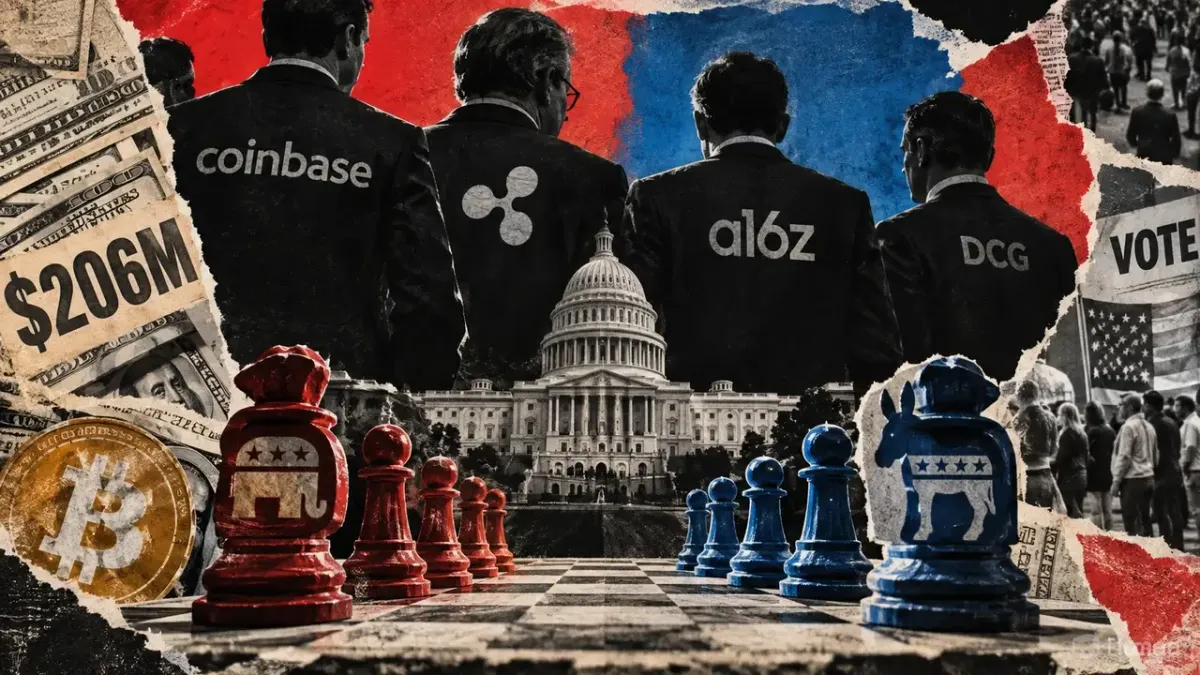
Crypto sector emerges as top donor with $206 million in midterms backing
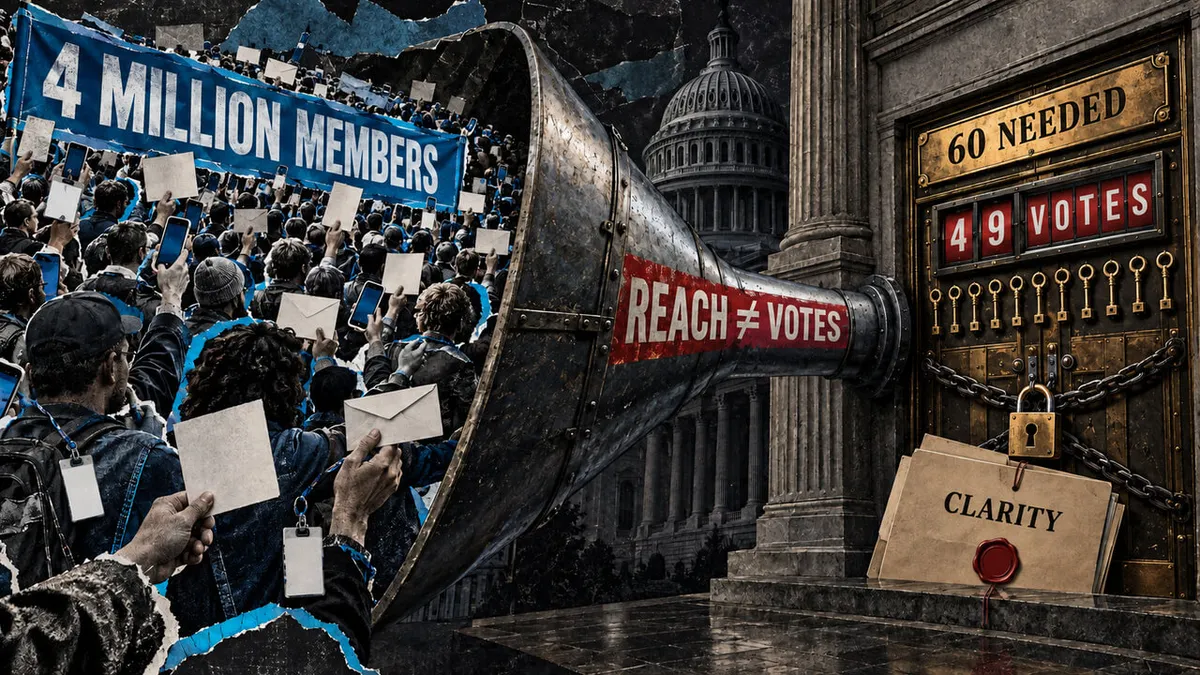
Stand With Crypto’s 4 million registered advocates couldn’t get the CLARITY Act through the Senate

Kakao Pay, KakaoBank to explore stablecoin opportunities with Fireblocks

US Attorney's investigation into Binance focuses on Iran sanctions compliance