Coinbase, SpaceX, Meta join DOJ anti-scam operation that froze $3.8 million in crypto
The recent collaboration between prominent private-sector firms like Coinbase, SpaceX, and Meta with the Department of Justice (DOJ) marks a significant development in the ongoing fight against cryptocurrency-related scams. During a coordinated effort dubbed "Disruption Week," these companies successfully assisted in freezing an impressive $3.8 million in cryptocurrency and disrupting approximately 1.4 million accounts linked to fraudulent activities. This initiative highlights not just the scale of cryptocurrency scams but also the proactive steps being taken to curb them through public-private partnerships.
The backdrop of this operation is the rising tide of scams that have plagued the cryptocurrency market in recent years. As digital assets have gained popularity, so too have the tactics employed by scammers looking to exploit unsuspecting investors. From phishing schemes to fake trading platforms, these scams have led to significant financial losses for individuals and tarnished the reputation of the cryptocurrency industry as a whole. The DOJ's focus on targeting these activities underscores the urgency and importance of maintaining a safe trading environment as more people engage with digital currencies.
This operation is crucial for the market as it sends a clear message about the collaborative efforts to enhance security and trust within the cryptocurrency ecosystem. The freezing of $3.8 million in crypto not only disrupts the financial operations of scammers but also reassures legitimate users that there are mechanisms in place to protect them. By taking a stand against scams, the DOJ, alongside these major companies, is working to foster a safer environment that could encourage more mainstream adoption of cryptocurrencies.
Industry reactions have generally been positive, with experts praising the initiative as a necessary step to restore faith in the crypto market. Many believe that such collaborations can serve as a deterrent for potential scammers and provide a framework for future enforcement efforts. Furthermore, the involvement of well-known companies like Coinbase, SpaceX, and Meta lends credibility to the operation, as these firms are viewed as leaders in the tech and financial sectors. Their participation signals a collective commitment to ensure the integrity of the digital currency space.
Looking ahead, it will be interesting to see how the DOJ and its private-sector partners continue to evolve their strategies in combating cryptocurrency fraud. As the landscape of scams becomes increasingly sophisticated, ongoing collaboration will be essential. Future initiatives may expand beyond freezing funds to include more extensive educational campaigns aimed at informing users about potential risks and warning signs of scams. The success of "Disruption Week" could pave the way for similar operations, strengthening the overall resilience of the cryptocurrency market against fraudulent practices.

CoinMagnetic Team
Crypto investors since 2017. We trade with our own money and test every exchange ourselves.
Updated: June 2026
From our insights:
Related news

Why Payward-backed Reap is betting on non-USD stablecoins for 24/7 cross-border FX settlement
ECB and EU central banks propose liquidity thresholds for stablecoins
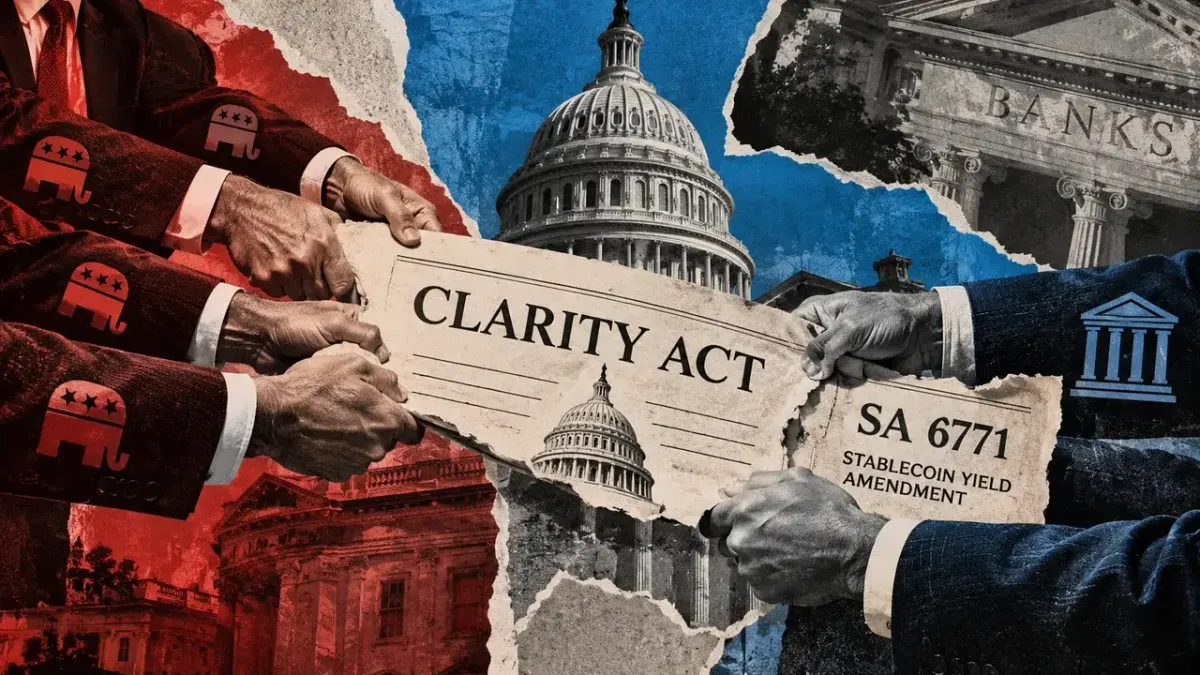
Four GOP senators backing CLARITY Act seek changes to stablecoin provisions
US investigates Binance for potential Iran-linked trading violations
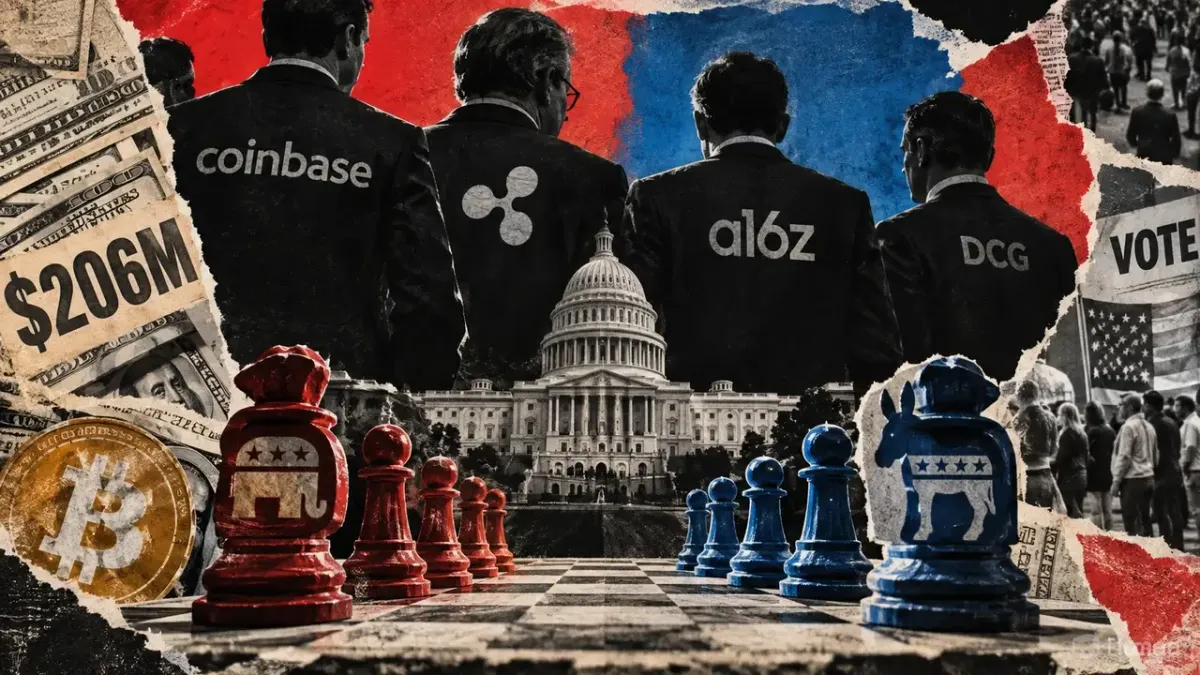
Crypto sector emerges as top donor with $206 million in midterms backing