Coinbase and 14 other x402 facilitators failed security tests built for the coming AI-agent economy
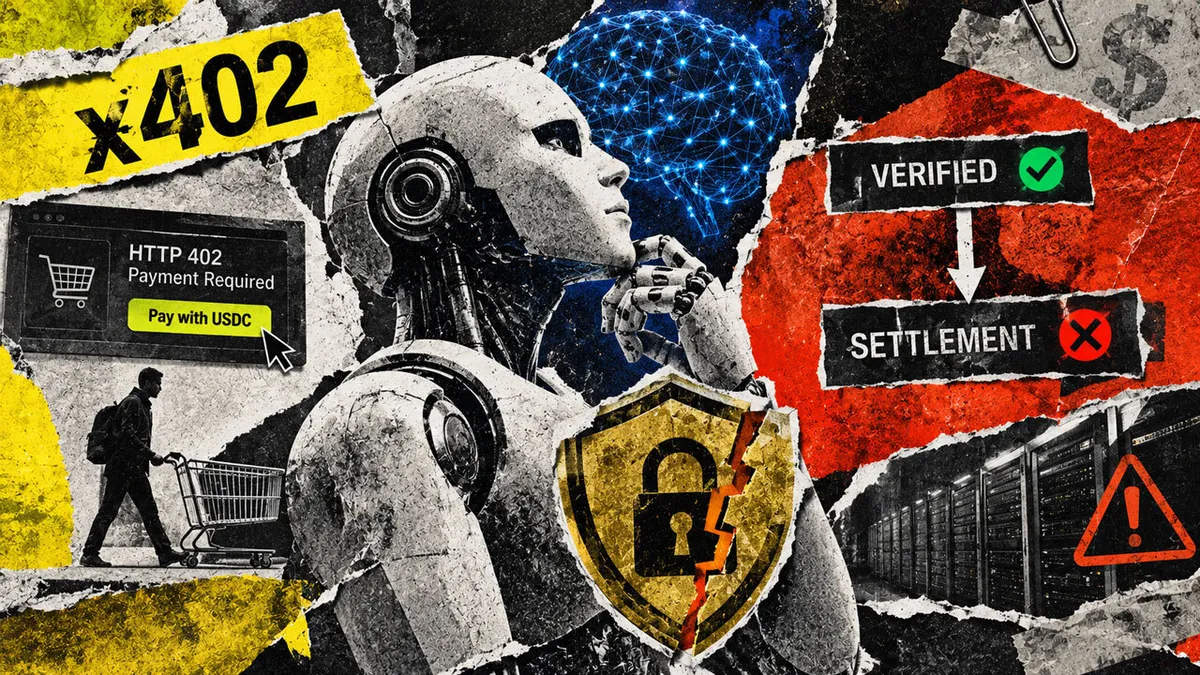
A recent study conducted by USENIX has revealed that Coinbase, along with 14 other x402 facilitators, failed to meet security standards designed for the anticipated AI-agent economy. The research identified a total of 31 vulnerabilities, which include six paths that were directly validated as exploitable and an additional 25 cases deemed high-risk. This raises significant concerns about the readiness of these platforms to handle the complexities and security demands of a future where AI agents operate more autonomously and interact with financial systems.
The context of this study stems from the growing integration of AI technologies in various sectors, particularly in finance. As AI systems become more capable, the necessity for secure frameworks that can protect against potential threats becomes paramount. The x402 standard was developed as a response to the increasing sophistication of cyber threats, ensuring that platforms involved in managing and facilitating transactions are resilient against attacks. The failure of these companies to comply with such standards indicates a pressing need for enhanced security measures within the cryptocurrency space.
The implications of these findings for the market are considerable. A lack of security can lead to diminished trust among users, potentially resulting in reduced engagement and investment in these platforms. Furthermore, as regulatory scrutiny intensifies, companies that fail to protect user data and assets may face not only reputational damage but also legal consequences. The revelation of these vulnerabilities could trigger a reassessment of security protocols across the industry, as stakeholders recognize the need to prioritize robust defenses.
Industry reactions have been varied, with some experts expressing concern over the implications of such widespread vulnerabilities. They argue that this could act as a wake-up call for the cryptocurrency sector, highlighting the importance of proactive security measures rather than reactive ones. Others believe that the study underscores the necessity for collaboration between platforms to establish a more secure ecosystem. The consensus is clear: as the industry evolves, so too must the security protocols that protect it.
Looking ahead, it remains to be seen how these findings will influence the strategies of the affected facilitators. Companies may need to invest significantly in security upgrades and possibly undergo independent audits to restore confidence among users. Additionally, ongoing discussions around regulatory frameworks may push for stricter compliance requirements, further shaping how security is approached in the cryptocurrency landscape.

CoinMagnetic Team
Crypto investors since 2017. We trade with our own money and test every exchange ourselves.
Updated: August 2026
From our insights:
Related news

Newsom signs California ban on public officials issuing memecoins

Core Lightning fixes flaw allowing revoked channel state to evade penalty

$84 million US asset seizure raises questions about Tether's bank reserves

AMF alerts investors that Pump Fun is unauthorized in Canada

Cosmos intercepts 1.23 million stolen ATOM but refunds now wait on governance vote