$84 million US asset seizure raises questions about Tether's bank reserves
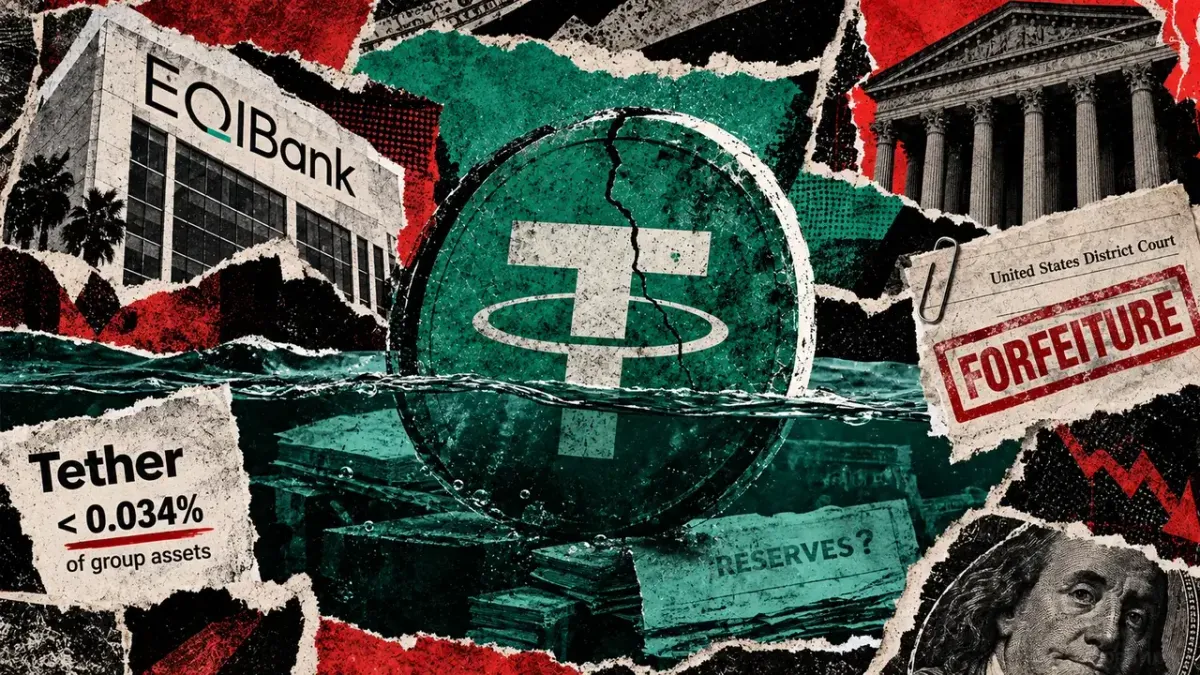
Recent court documents have unveiled the seizure of $84 million in US assets held by Capstone, which has drawn significant attention to Tether's financial practices. The specifics surrounding the accounts involved in the seizure have raised questions regarding whether Tether's purported bank balance is indeed backed by its reserves of USDT, the stablecoin that has become a cornerstone of the cryptocurrency market. This situation has prompted scrutiny from both regulators and market participants, as the implications of these findings could reverberate throughout the crypto ecosystem.
Tether, known for its role in providing liquidity and stability in the cryptocurrency market, has often faced skepticism regarding its reserve practices. The stablecoin, pegged to the US dollar, claims to maintain a 1:1 backing with its reserves, but the lack of transparency in its financial disclosures has led to ongoing debates about the legitimacy of these assertions. The recent asset seizure has reignited these concerns, as it raises the critical question of how Tether's reserves are managed and reported.
The significance of this development cannot be overstated, as Tether plays a crucial role in the trading and market dynamics of cryptocurrencies. With a substantial amount of market activity relying on USDT, any uncertainty regarding its backing could lead to a loss of confidence among traders and investors. This, in turn, could trigger a ripple effect, influencing the stability of the broader crypto market and potentially leading to increased volatility.
Industry experts and analysts have reacted with caution to the news, emphasizing the need for greater transparency from Tether. Some have called for regulatory bodies to step in and impose stricter oversight on stablecoin issuers to ensure that they adhere to robust financial standards. The consensus seems to be that without clarity on Tether's reserves, the risks associated with holding USDT could escalate, prompting some users to reconsider their reliance on the stablecoin.
Looking ahead, the situation raises important questions about what steps Tether will take in response to the seizure and the subsequent scrutiny. Will it enhance its transparency regarding reserves, or will it continue to operate under its current model? The answers to these questions will be critical in determining Tether's future role in the cryptocurrency landscape and the potential impact on market stability.

CoinMagnetic Team
Crypto investors since 2017. We trade with our own money and test every exchange ourselves.
Updated: September 2026
From our insights:
Related news

AMF alerts investors that Pump Fun is unauthorized in Canada
Cosmos intercepts 1.23 million stolen ATOM but refunds now wait on governance vote
SEC clarifies token buybacks don't classify crypto as securities if networks function
Failed vote reveals flaws in the Clarity Act's development process

Michael Saylor proposes 'digital rights' to support 10 million new companies