SEC clarifies token buybacks don't classify crypto as securities if networks function
The U.S. Securities and Exchange Commission (SEC) has issued new guidance indicating that announcing a token buyback on a functioning network does not automatically classify the token as a security. This clarification is significant for crypto projects, as it suggests that the operational status of a network can play a critical role in determining the legal status of its tokens. According to the SEC staff, the mere act of announcing a buyback does not imply a promise to the investors that could render the tokens securities under federal law–provided the network operates successfully.
Historically, the SEC has maintained a stringent stance on what constitutes a security in the crypto space, often leading to legal challenges and uncertainty for many projects. The Howey Test, a legal standard used to determine whether transactions qualify as investment contracts, has been the basis for many of these classifications. In this context, the recent guidance marks a substantial shift, suggesting that functioning networks may operate under a different framework than previously thought. This could encourage more innovation and investment in the crypto sector, as companies may feel less restricted by potential securities regulations.
This development is particularly important for the market as it may reduce the compliance burden on crypto projects that are actively developing and maintaining their networks. The delineation between what constitutes a security versus what can be classified as a utility token becomes more pronounced. If crypto projects can announce buybacks without the risk of being deemed securities, it could lead to increased investor confidence and participation, potentially revitalizing interest in various tokens that have been held back by regulatory concerns.
Industry experts have reacted positively to this new guidance. Some attorneys believe it offers a more favorable environment for crypto companies, as it appears to create an “opt-in” approach to securities laws. This perspective suggests that the SEC is acknowledging the evolving nature of digital assets and is willing to adapt its regulatory framework accordingly. As a result, many in the industry are calling for further clarifications and guidelines to ensure that projects can operate transparently without the looming threat of regulatory action.
Looking ahead, the SEC's guidance may lead to a reevaluation of existing regulations concerning digital assets. As crypto continues to mature, stakeholders will be closely monitoring how these guidelines are implemented in practice. The ongoing dialogue between regulators and the crypto industry will be crucial in shaping the future landscape of digital asset regulation. If this trend continues, we may see a more conducive environment for innovation and investment in the blockchain space.

CoinMagnetic Team
Crypto investors since 2017. We trade with our own money and test every exchange ourselves.
Updated: September 2026
From our insights:
Related news

Failed vote reveals flaws in the Clarity Act's development process

Michael Saylor proposes 'digital rights' to support 10 million new companies
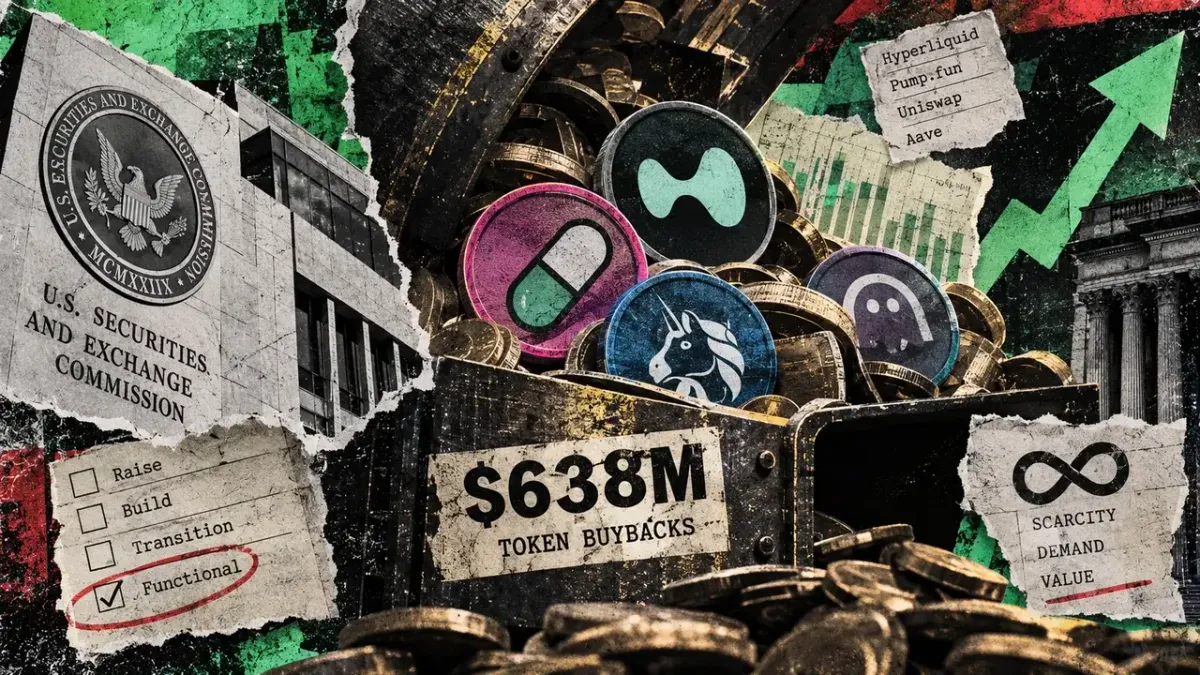
Crypto token buybacks reach $638 million as SEC clears path for projects
Bitcoin ETFs attract nearly $3 billion in seven days, reversing losses
After Clarity Act's failure, regulators take swift action on crypto rules