Kalshi loses appeal over Ohio and Tennessee sports betting laws, widening circuit split
A recent ruling from a federal appeals court has dealt a significant blow to Kalshi, a platform that offers event contracts on various outcomes, including sports events. The court decided that Kalshi did not sufficiently demonstrate that its sports event contracts qualify as swaps under the Commodity Exchange Act. This decision comes as a setback for the company, which has been actively seeking regulatory clarity and support for its innovative betting model, aiming to operate legally within the sports betting landscape.
The background of this case highlights the ongoing legal complexities surrounding sports betting in the United States. As states like Ohio and Tennessee have moved to establish their sports betting laws, the classification of different betting structures–such as Kalshi's contracts–has become a contentious issue. Kalshi's argument centered around the idea that its event contracts should be recognized as swaps, which would afford them regulatory protection. However, the court's ruling indicates a divergence in the interpretation of these financial instruments, contributing to a growing circuit split regarding regulatory oversight in this area.
This ruling is particularly significant for the market as it underscores the regulatory uncertainties that companies in the sports betting and derivatives space face. The decision could have ripple effects, potentially influencing how other states enact their sports betting regulations and how companies like Kalshi structure their offerings. With a widening circuit split, there may be further legal challenges ahead, as firms attempt to navigate the complexities of compliance while seeking to innovate in a rapidly evolving market.
Industry reactions to the ruling have been mixed, with some experts expressing concern over the implications for market innovation. Many believe that the lack of clear regulatory guidance hampers the ability of companies like Kalshi to expand their offerings and attract customers. Others in the industry have called for a more unified approach to regulation that can facilitate innovation while ensuring consumer protection. As jurisdictions continue to grapple with these issues, the conversation around the legal status of event contracts will likely remain a focal point.
Looking ahead, Kalshi may need to reassess its legal strategy and consider alternative pathways to redefine its offerings in light of the court's decision. The company could also explore lobbying efforts to influence regulatory frameworks in states where it operates. As the landscape continues to shift, stakeholders in the sports betting market will be closely watching how Kalshi responds and how other jurisdictions might adapt their regulations in response.

CoinMagnetic Team
Crypto investors since 2017. We trade with our own money and test every exchange ourselves.
Updated: September 2026
From our insights:
Related news
After Clarity Act's failure, regulators take swift action on crypto rules

LayerZero faces $292M lawsuit as $15B exits amid rsETH exploit fallout

Kalshi's appeal rejected, paves way for Supreme Court showdown
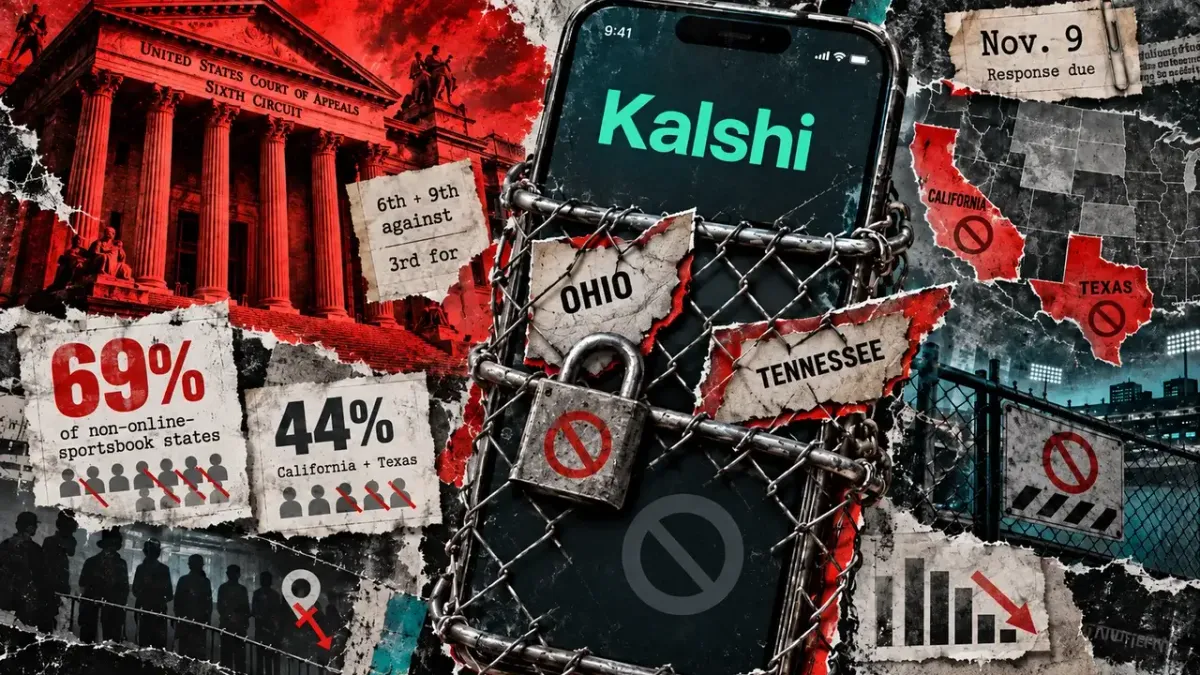
Kalshi faces state user lockout following court ruling on gambling laws

UK cash hoarding highlights global demand for permissionless money