CLARITY Act moves to a fight between cops and coders
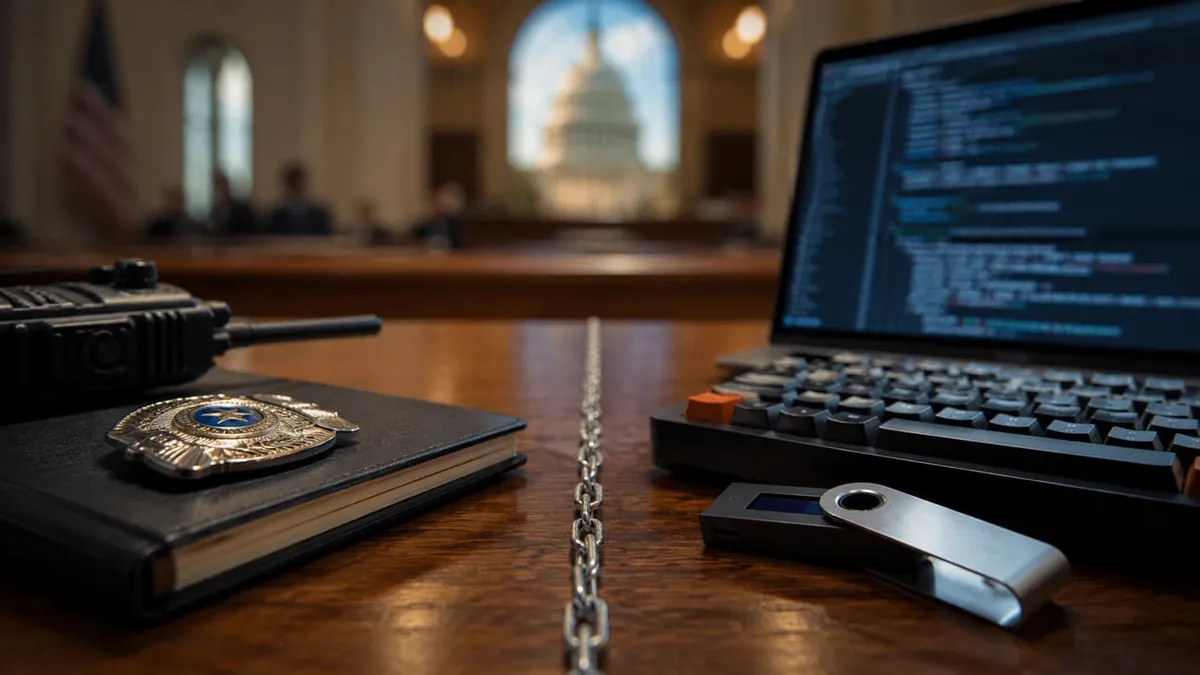
The recent developments surrounding the CLARITY Act have intensified discussions about the future of cryptocurrency regulation in the United States. On June 10, key administration officials convened with law enforcement representatives at the White House to address a crucial provision that could impede the progress of the CLARITY Act in the Senate. This meeting, which lasted nearly 90 minutes and included around 20 attendees, focused on the developer protections derived from the Blockchain Regulatory Certainty framework. The tension between law enforcement's desire for regulation and the coding community's push for innovation has become increasingly apparent as stakeholders vie for influence over the Act's final shape.
The CLARITY Act aims to create a clearer regulatory framework for blockchain technologies and digital assets, which has been a point of contention for many years. In a landscape often characterized by ambiguity and patchwork regulations, the Act is seen as a potential game-changer that could pave the way for a more defined set of rules governing the crypto space. However, the involvement of law enforcement agencies raises concerns over the balance between necessary oversight and stifling innovation. The Act's provisions must navigate the complexities of ensuring security while fostering an environment conducive to technological advancement.
The implications of the CLARITY Act could be profound for the market. If passed, the Act could lead to increased institutional interest in cryptocurrencies, as clearer regulations may bolster confidence among investors and companies operating within the space. Conversely, if law enforcement's influence results in overly restrictive measures, it could deter innovation and drive developers to more crypto-friendly jurisdictions. The market is thus at a critical juncture, where the outcomes of these discussions will significantly shape the regulatory landscape and, by extension, the future of digital assets in the U.S.
Industry reactions have been mixed, with some experts applauding the efforts to establish a regulatory framework while others express concern about the potential overreach of law enforcement. Many in the tech community argue that excessive regulation could hinder the growth of blockchain technology and limit the creative potential of developers. Experts have called for a more collaborative approach, emphasizing the need for dialogue between regulators, law enforcement, and the tech community to ensure that regulations support innovation rather than stifle it.
Looking ahead, the fate of the CLARITY Act hinges on the ongoing negotiations and the ability of lawmakers to strike a balance between security and innovation. As discussions continue, stakeholders will be closely monitoring the developments, as the outcomes will likely influence not just the U.S. market but also set precedents for regulatory approaches worldwide. The coming weeks will be crucial in determining whether the Act can move forward and what form it will ultimately take, highlighting the ongoing struggle between competing interests in the world of cryptocurrency.

CoinMagnetic Team
Crypto investors since 2017. We trade with our own money and test every exchange ourselves.
Updated: June 2026
From our insights:
Related news

Crypto sector emerges as top donor with $206 million in midterms backing

Stand With Crypto’s 4 million registered advocates couldn’t get the CLARITY Act through the Senate

Kakao Pay, KakaoBank to explore stablecoin opportunities with Fireblocks

US Attorney's investigation into Binance focuses on Iran sanctions compliance

ECB initiates wholesale digital euro for banks and tokenized bond purchases