Citadel drops U.S. Portofino suit, seeks bankruptcy order against firm's founder in UK

In a significant turn of events, Citadel has officially withdrawn its trade secrets lawsuit in the U.S. against the founder of Portofino, a firm entangled in a legal battle over alleged intellectual property theft. This decision comes on the heels of Citadel's recent victory in a London arbitration, where it was awarded a hefty 6 million pounds. The firm concluded that pursuing the case in the U.S. would likely result in another judgment that would go uncollected, prompting the strategic choice to focus its efforts elsewhere. Instead, Citadel is now seeking a bankruptcy order against the Portofino founder in the UK, signaling a shift in its legal strategy.
To understand the implications of this decision, it is crucial to look at the background of the case. The initial lawsuit in the U.S. accused the Portofino founder of stealing confidential information and trade secrets that could potentially harm Citadel's competitive edge. This case not only highlights the ongoing battle over intellectual property in the financial sector but also underscores the complexities involved in international litigation. Citadel's London arbitration award has provided it with some financial redress, but the decision to drop the U.S. case raises questions about the efficacy of legal actions in recovering losses in a landscape often complicated by jurisdictional challenges.
This development matters significantly for the market as it reflects the growing tensions between large financial firms and the emerging players in the crypto and financial technology spaces. Citadel's withdrawal from the U.S. case may set a precedent for how similar disputes are handled, particularly in terms of the jurisdictions chosen for arbitration. Additionally, it raises concerns about the enforceability of judgments across borders–a crucial factor for any firm considering legal action in a globalized economy. As firms navigate these waters, the outcome of Citadel's actions in the UK may influence future legal strategies and risk assessments within the industry.
Industry insiders have expressed a mix of concern and interest regarding this shift. Legal experts suggest that Citadel's choice to focus on UK bankruptcy proceedings may indicate a belief that the British legal framework offers a more favorable environment for recovery. Meanwhile, others warn that the implications of this case could deter investment and innovation in the broader fintech landscape if firms begin to see legal battles as an inevitable part of their operations. The arbitration award stands as a testament to the need for robust safeguards around intellectual property, especially as the competition intensifies among financial firms leveraging cutting-edge technologies.
Looking ahead, it remains to be seen how Citadel's actions in the UK will unfold and what impact they will have on the firm's future operations and reputation. The legal proceedings could provide valuable insights into the strategies firms may adopt when facing similar disputes. Moreover, as the financial landscape continues to evolve, we expect to see further developments in how companies manage and protect their intellectual property, particularly in the fast-paced world of cryptocurrency and blockchain technology.

CoinMagnetic Team
Crypto investors since 2017. We trade with our own money and test every exchange ourselves.
Updated: July 2026
From our insights:
Related news

Europol identifies crypto wallets as main target for quantum attacks

Rain aims for national trust bank charter to handle stablecoin operations

Russia clears first crypto exchanges, custodians under new law
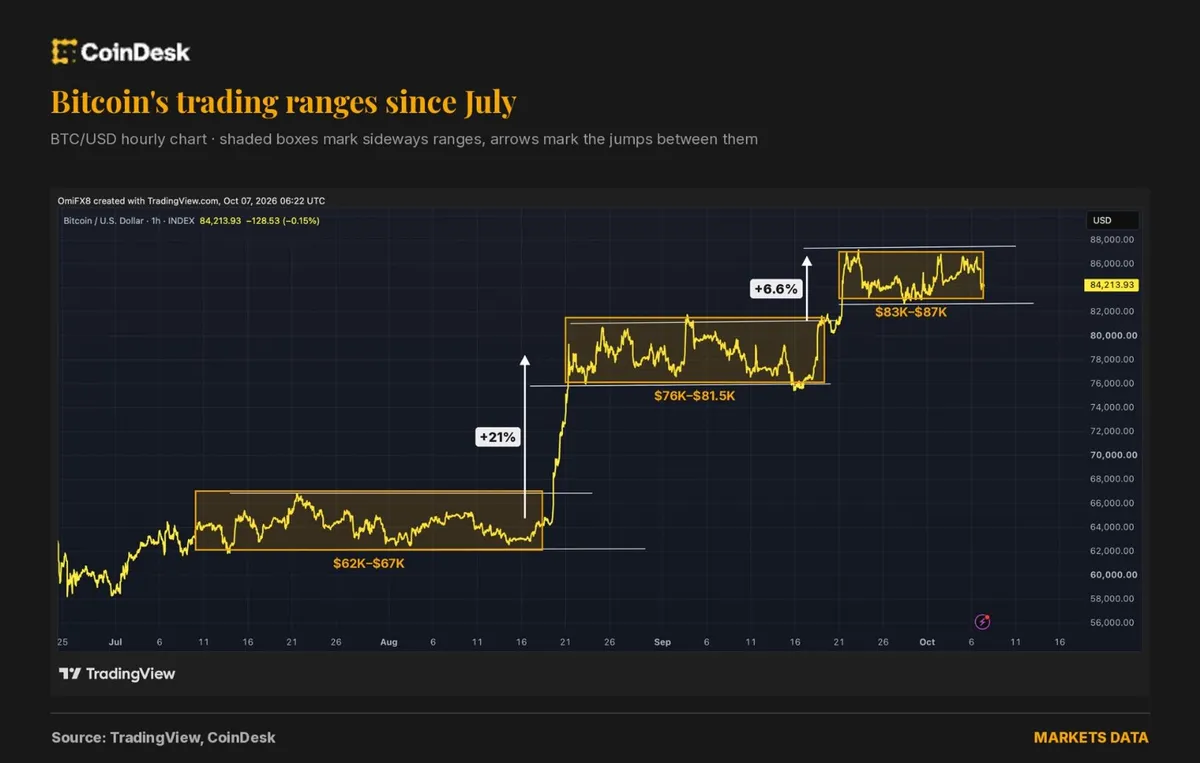
Bitcoin maintains bullish stair-step pattern despite dip to $84,200

Bitcoin Fog ruling could impact Roman Storm's acquittal efforts