The 5 types of real world assets being tokenized fastest onchain
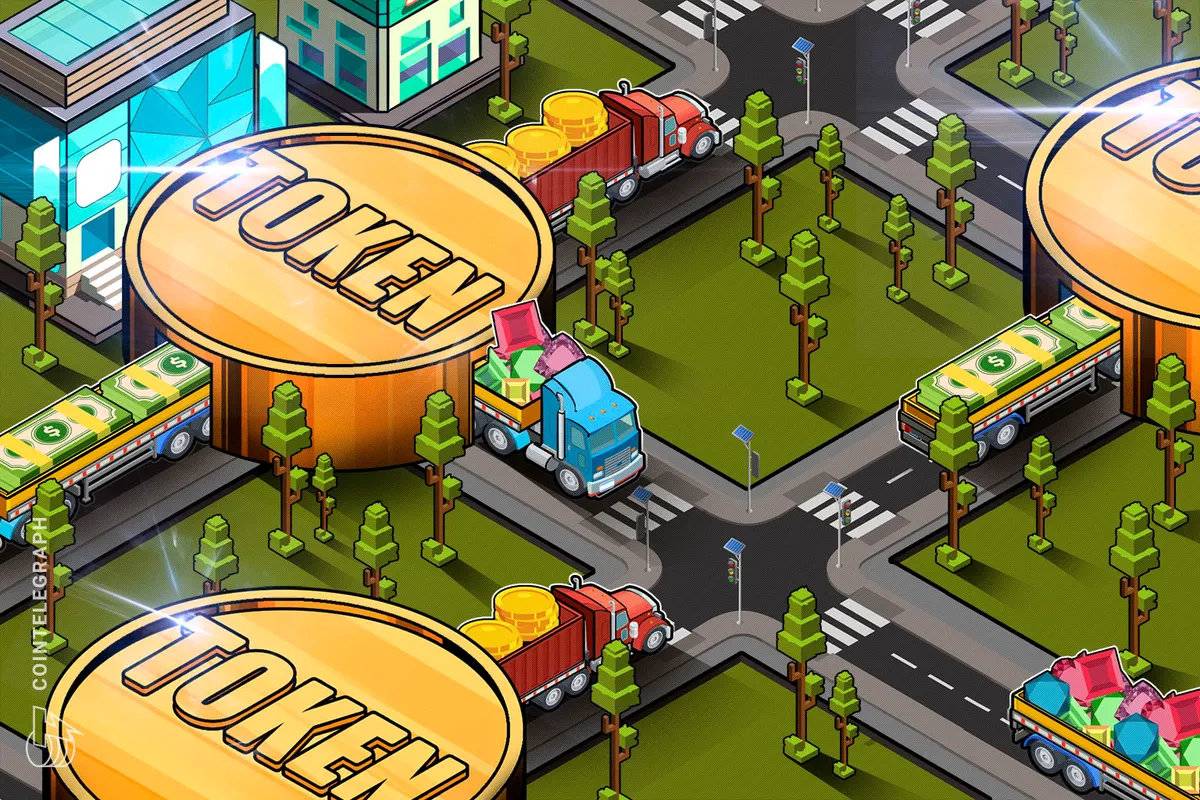
The rapid growth of tokenized real-world assets is revolutionizing the way traditional finance (TradFi) interacts with digital assets. Currently, five key categories are leading this charge: treasuries, real estate, stocks, commodities, and private credit. Each of these asset types is being converted into digital tokens on blockchain platforms, creating new avenues for investment and ownership. While the overall size of this market remains relatively small compared to traditional financial markets, the momentum is undeniable, with more players entering the space and technology advancing at a breakneck pace.
Understanding the context of tokenization in finance is crucial to appreciate this trend. Tokenization refers to the process of converting ownership rights to an asset into a digital token on a blockchain. This method not only enhances liquidity but also enables fractional ownership, making expensive assets more accessible to a broader audience. In the traditional finance world, these assets have been largely illiquid and restricted to a few investors. The onset of blockchain technology has disrupted this status quo, opening up new opportunities for investment and democratizing access to various asset classes.
The implications for the market are significant. As tokenized assets gain traction, they have the potential to attract a new wave of investors who may have previously been excluded from traditional markets. This could lead to increased liquidity and price discovery for these assets, ultimately making them more attractive to institutional and retail investors alike. Furthermore, the integration of blockchain technology can streamline processes, reduce costs, and enhance transparency, factors that are becoming increasingly important in today’s financial landscape.
Industry reactions have been largely optimistic, with experts underscoring the transformative potential of tokenized real-world assets. Many industry leaders believe that as awareness grows and regulatory frameworks solidify, we will see an accelerated adoption of tokenization across various sectors. For instance, real estate tokenization is already being championed as a solution to the cumbersome processes of property transactions. Similarly, tokenized commodities could revolutionize the supply chain by providing real-time tracking and ownership verification.
Looking ahead, we anticipate that the tokenization of real-world assets will continue to evolve, driven by technological advancements and regulatory support. As more assets are brought on-chain, it will be crucial for stakeholders to remain vigilant about compliance and security measures. Additionally, we expect to see increased collaboration between traditional financial institutions and blockchain firms, which could further accelerate the integration of tokenized assets into mainstream finance. The future of finance may well hinge on how effectively the industry navigates these developments.

CoinMagnetic Team
Crypto investors since 2017. We trade with our own money and test every exchange ourselves.
Updated: July 2026
From our insights:
Related news

Google's Nano Banana 2.1 image model debuts, half the price of earlier version

DJ Khaled joins Circle's 'Team USDC' amid SEC settlement backlash
Tether faces $2.8M lawsuit from Conduit over frozen USDt funds

UK selects 6 banks for pioneering digitally native government bond pilot

Digital ruble accounts reach 220K in first month, exceeding forecasts