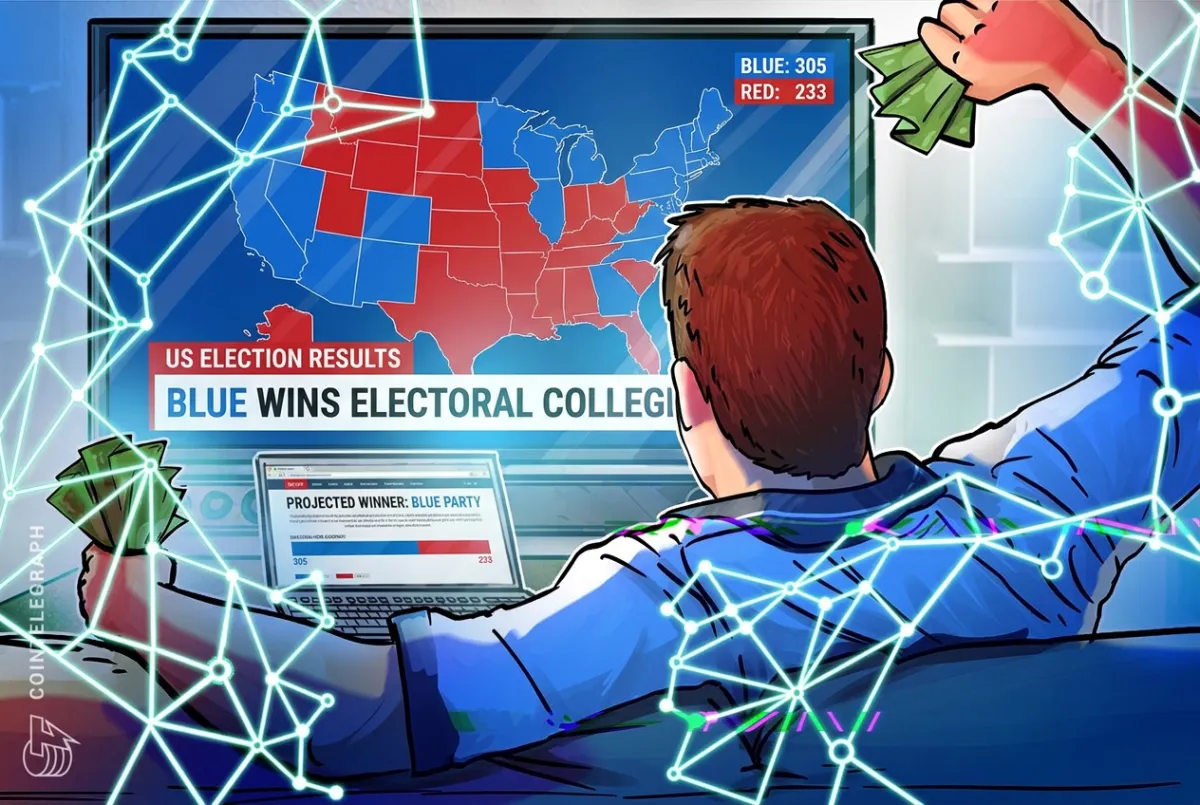
Kalshi files same-day appeal of NY court's rejection of bid to block state gambling law enforcement
Kalshi, a platform that allows users to trade on the outcome of various events, has recently filed a same-day appeal with the Second Circuit following a New York federal judge's decision to reject its request to halt the enforcement of state gambling laws against its sports event contracts. The ruling has significant implications for Kalshi's business model, as it seeks to operate in a regulatory environment that is increasingly scrutinizing the intersection of gambling and prediction markets. The judge's decision has put Kalshi in a challenging position, as it must navigate both legal hurdles and the potential impact on its user base and operations.
To understand the significance of this appeal, it is essential to delve into the background of Kalshi and its operations. Founded in 2020, the platform was designed to create a regulated marketplace for trading on the outcome of future events, including sports. However, the New York State Gaming Commission has raised concerns about whether such contracts fall under the definition of gambling. The recent court ruling underscores the ongoing tension between traditional gambling regulations and innovative financial instruments that blur the lines between the two. Kalshi's challenge highlights the broader issues faced by similar platforms trying to carve out a space in a rapidly evolving regulatory landscape.
This situation matters for the market as it could set a precedent for how prediction markets are treated under existing gambling laws. A favorable outcome for Kalshi could pave the way for more innovation in the sector, encouraging other startups to launch similar platforms without fear of immediate regulatory backlash. Conversely, if the appeal fails, it may deter investment and growth in the prediction market space, as companies may hesitate to enter a market fraught with legal uncertainties. In a broader sense, the resolution of this case could influence how regulators approach emerging technologies and financial instruments.
Industry reactions to the court's decision have been mixed, with some experts expressing concern about the implications for innovation in financial markets. Proponents of prediction markets argue that these platforms provide valuable insights and can help in risk management, while critics assert that they could lead to increased gambling-related issues. Legal experts have noted that the outcome of Kalshi's appeal could signal to other tech-driven financial services that are navigating similar regulatory challenges. The case has sparked discussions among stakeholders about the need for clearer regulations that can accommodate new market models while ensuring consumer protection.
Looking ahead, the outcome of Kalshi's appeal will likely influence not only the company's future but also the regulatory framework surrounding prediction markets and similar platforms. As the case unfolds, we will be watching closely for any developments that may signal a shift in how regulators approach this innovative sector. The implications of this case extend beyond Kalshi itself, potentially shaping the future of how we engage with and trade on the outcomes of uncertain events in a regulated manner.

CoinMagnetic Team
Crypto investors since 2017. We trade with our own money and test every exchange ourselves.
Updated: July 2026
From our insights:
Related news

Google's Nano Banana 2.1 image model debuts, half the price of earlier version

DJ Khaled joins Circle's 'Team USDC' amid SEC settlement backlash

Tether faces $2.8M lawsuit from Conduit over frozen USDt funds

UK selects 6 banks for pioneering digitally native government bond pilot

Digital ruble accounts reach 220K in first month, exceeding forecasts