California's Newsom bans memecoins in anti-corruption effort linked to $TRUMP
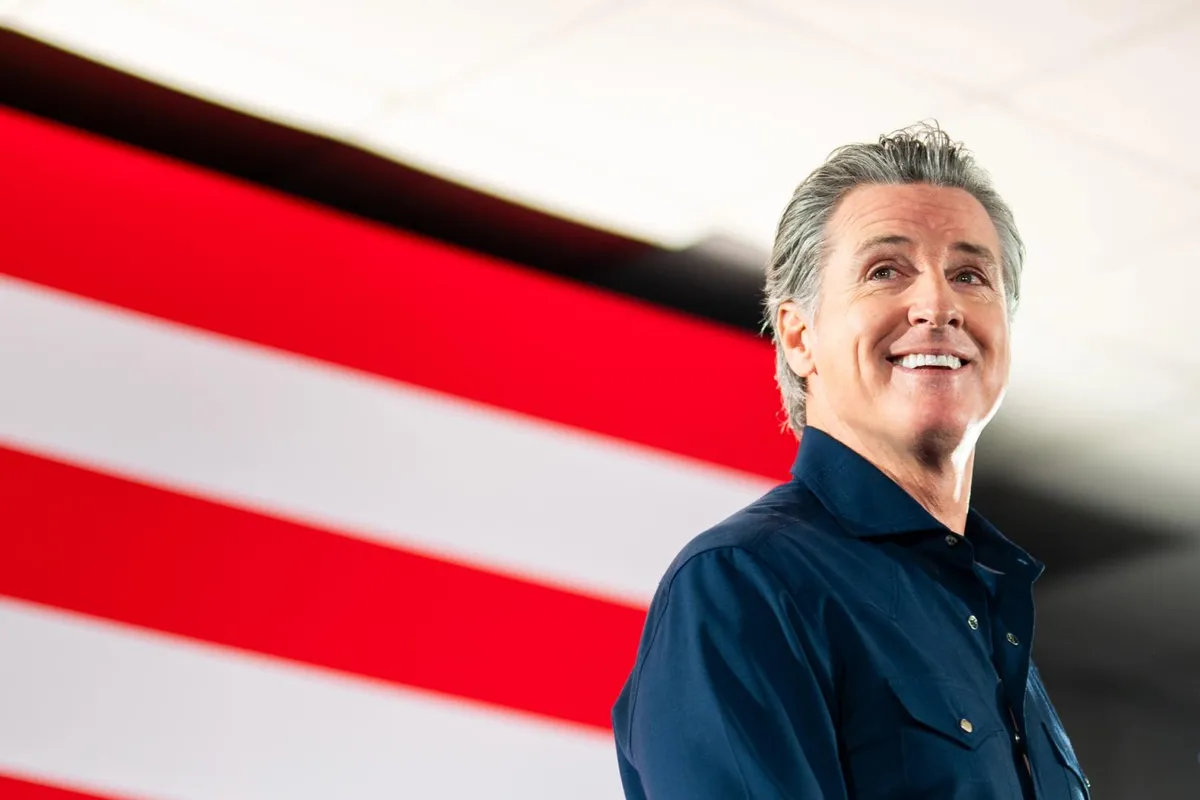
California Governor Gavin Newsom has officially signed Assembly Bill 2409 into law, which imposes a ban on the sale and distribution of memecoins within the state. This legislation is part of a broader anti-corruption package that aims to tighten regulations in the cryptocurrency space. Newsom has framed this move as a response to the controversial $TRUMP token, which has attracted significant attention and criticism. By enacting this ban, the governor aims to protect consumers and curb potential scams associated with memecoins, which are often characterized by their speculative nature and lack of intrinsic value.
The context behind this legislation is rooted in the increasing scrutiny of cryptocurrencies and their potential to facilitate fraudulent activities. The $TRUMP token, which emerged amid the political landscape surrounding former President Donald Trump, raised alarms for its speculative attributes and the potential it poses for misleading investors. Newsom's administration has been vocal about the need for stronger regulatory frameworks to ensure that investors are safeguarded against the volatility and risks associated with such tokens. This move is part of a larger trend among lawmakers to create a more stable and secure environment for digital currencies.
The implications of this ban are significant for the market, particularly for investors and creators of memecoins who now face stricter limitations in California. This could potentially lead to a decrease in the proliferation of new memecoins, as developers may think twice before launching projects that could be subject to legal repercussions. Furthermore, the ban sets a precedent that could influence other states and regulatory bodies to consider similar measures, thereby reshaping the landscape of cryptocurrency trading in the United States.
Industry reactions to Newsom's decision have been mixed. Some experts and advocates for consumer protection have applauded the governor's proactive stance, citing the importance of regulations in curbing fraudulent schemes that prey on unsuspecting investors. On the other hand, critics argue that such bans could stifle innovation within the cryptocurrency space and limit the creative potential of developers. The debate continues as stakeholders assess the balance between regulatory oversight and fostering a conducive environment for technological advancement.
Looking ahead, the future of memecoins in California will likely hinge on how this ban is enforced and whether it leads to similar legislation in other states. As the cryptocurrency market continues to evolve, it will be crucial for regulators to find a balance that protects consumers without hindering innovation. Observers will be watching closely to see if this legislation prompts further discussions about broader cryptocurrency regulations at both state and national levels.

CoinMagnetic Team
Crypto investors since 2017. We trade with our own money and test every exchange ourselves.
Updated: September 2026
From our insights:
Related news
Newsom signs California ban on public officials issuing memecoins
Core Lightning fixes flaw allowing revoked channel state to evade penalty
$84 million US asset seizure raises questions about Tether's bank reserves

AMF alerts investors that Pump Fun is unauthorized in Canada
Cosmos intercepts 1.23 million stolen ATOM but refunds now wait on governance vote