Brazilian farmers tokenized dairy cows to get loans, bypassing bank lending limits
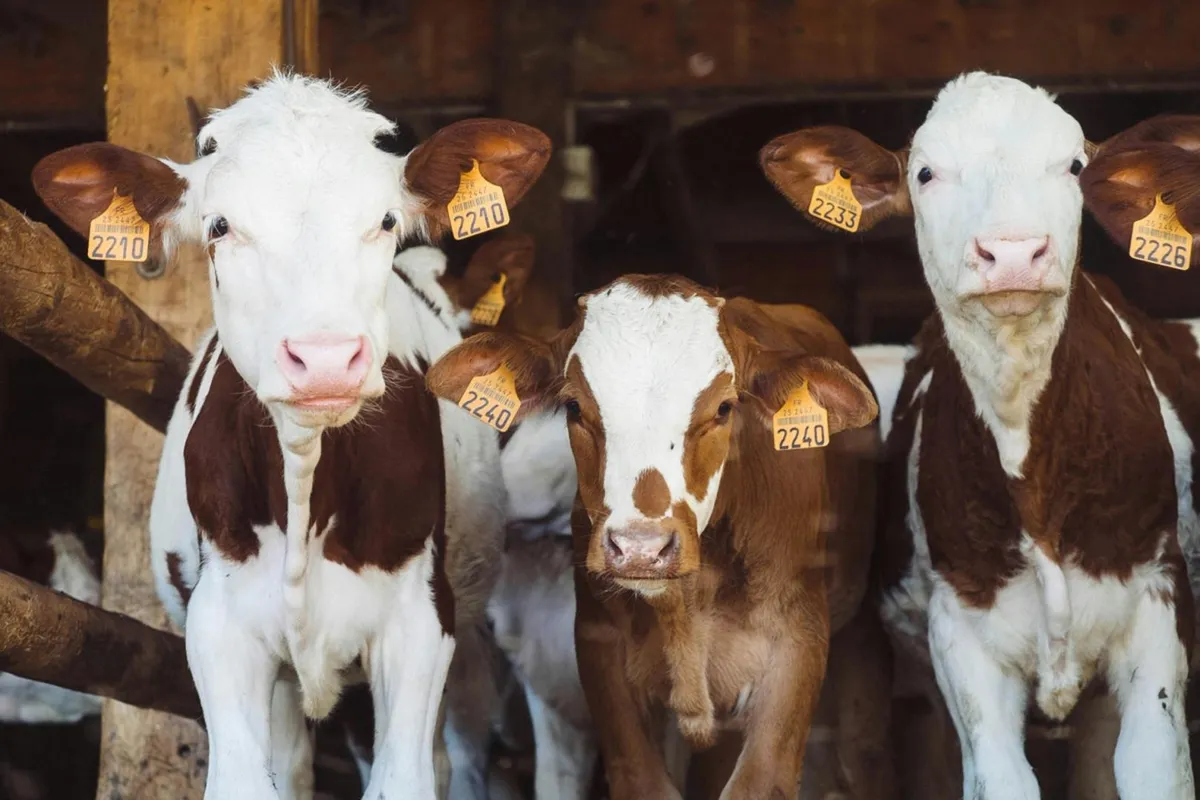
In a groundbreaking development, Brazilian farmers are leveraging blockchain technology to secure loans by tokenizing their dairy cows. This innovative approach allows them to bypass traditional bank lending limits, enabling local agricultural businesses to access thousands of dollars in funding backed by livestock. The farmers are using smart collars that monitor the health of their herds in real time, providing crucial data to potential lenders and reducing the risks associated with livestock lending. By integrating this technology, they aim to enhance transparency and trust in the lending process.
The context behind this innovation stems from the challenges that small and medium-sized farmers often face in obtaining financing through conventional banks. Traditional lending practices frequently impose strict collateral requirements and limits that can hinder agricultural growth. In Brazil, where agriculture is a significant sector, farmers have long sought alternatives to secure the necessary capital for their operations. Tokenization represents a paradigm shift, allowing farmers to utilize their assets more effectively and gain access to financing that was previously out of reach.
This development holds significant implications for the market, particularly in the agricultural finance sector. By facilitating access to capital, it can lead to increased productivity and investment in farming technologies. Moreover, as more farmers adopt this model, we could witness a shift in how loans are secured across various agricultural sectors. This not only boosts the local economy but also enhances the overall resilience of the agricultural industry in Brazil, which is vital for food security.
Industry reactions have been largely positive, with experts highlighting the potential for similar models to be adopted worldwide. Agricultural finance specialists note that the use of smart collars and real-time health monitoring can significantly reduce the risks associated with livestock lending. This advancement could pave the way for more innovative financing solutions across different sectors, encouraging a broader adoption of blockchain technology in agriculture. Commentators emphasize that this initiative could serve as a blueprint for other countries facing similar challenges in agricultural financing.
Looking ahead, the success of this initiative could inspire further developments in blockchain and smart technology applications within agriculture. As farmers and lenders become more familiar with these systems, we may see an expansion in the types of assets that can be tokenized. This could lead to a more robust agricultural financing ecosystem, where data-driven insights enable better decision-making and risk management. The ongoing monitoring of herd health through smart collars could also pave the way for advancements in animal welfare and sustainable farming practices.

CoinMagnetic Team
Crypto investors since 2017. We trade with our own money and test every exchange ourselves.
Updated: July 2026
From our insights:
Related news
Morgan Stanley and JPMorgan move to block rogue customer AI agents

U.S. candidates trade barbs over crypto influence as elections approach

SoFi Bank rolls out SOFIE tokenized deposits with 4.4% APY and FDIC coverage

Coinbase warns UK 2027 crypto rules may create a de facto ban on regulated DeFi

Italy Busts Mafia 'Secret Bank' That Laundered Money Through Crypto, Seizes $24M