Digital dollar wallets poised to disrupt traditional banking systems
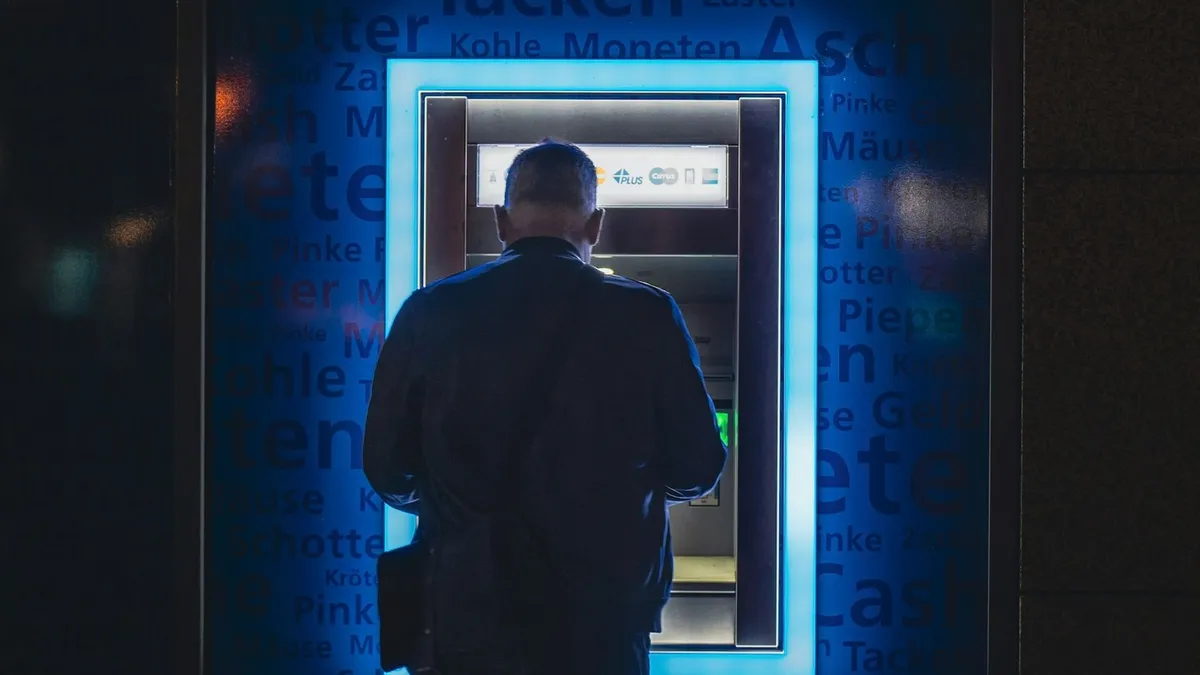
Recent discussions among industry leaders have sparked a debate over the role of digital dollar wallets, particularly stablecoin wallets, in reshaping consumer financial habits. As these wallets become more accessible and user-friendly, they are increasingly positioned as a viable alternative to traditional bank accounts. Advocates argue that stablecoin wallets provide not only convenience but also enhanced security and lower transaction fees, making them a compelling choice for everyday consumers.
The context of this discussion is rooted in the rapid evolution of financial technology and the growing acceptance of cryptocurrencies. Stablecoins, which are pegged to stable assets like the US dollar, offer the benefits of digital currencies without the volatility typically associated with cryptocurrencies. This stability, combined with the technological advancements in blockchain, has led to a surge in interest among consumers who are seeking more flexible and innovative financial solutions.
This shift towards digital dollar wallets is significant for the market as it indicates a potential paradigm shift in how money is stored and transacted. Traditional banks may face increasing pressure to adapt or risk losing their customer base to these emerging platforms. Furthermore, the rise of stablecoin wallets could lead to greater competition within the financial sector, prompting banks to enhance their services and reduce fees in order to retain customers.
Industry experts have weighed in on the implications of this trend, with many suggesting that rather than completely dismantling traditional banking systems, stablecoin wallets may serve to modernize them. Some believe that banks could integrate stablecoin technology into their existing infrastructure, thereby offering customers the best of both worlds. Meanwhile, others caution that regulatory hurdles and consumer trust issues must be addressed before stablecoin wallets can fully replace traditional accounts.
Looking ahead, the future of consumer banking may involve a hybrid model where digital dollar wallets coexist with traditional bank accounts. As regulatory frameworks evolve and consumer education increases, we may see a more integrated financial ecosystem that leverages the strengths of both digital and traditional banking solutions.

CoinMagnetic Team
Crypto investors since 2017. We trade with our own money and test every exchange ourselves.
Updated: September 2026
From our insights:
Related news
Morgan Stanley and JPMorgan move to block rogue customer AI agents

U.S. candidates trade barbs over crypto influence as elections approach
SoFi Bank rolls out SOFIE tokenized deposits with 4.4% APY and FDIC coverage

Coinbase warns UK 2027 crypto rules may create a de facto ban on regulated DeFi

Italy Busts Mafia 'Secret Bank' That Laundered Money Through Crypto, Seizes $24M