Philippines central bank proposes freeze on new payment operator registrations
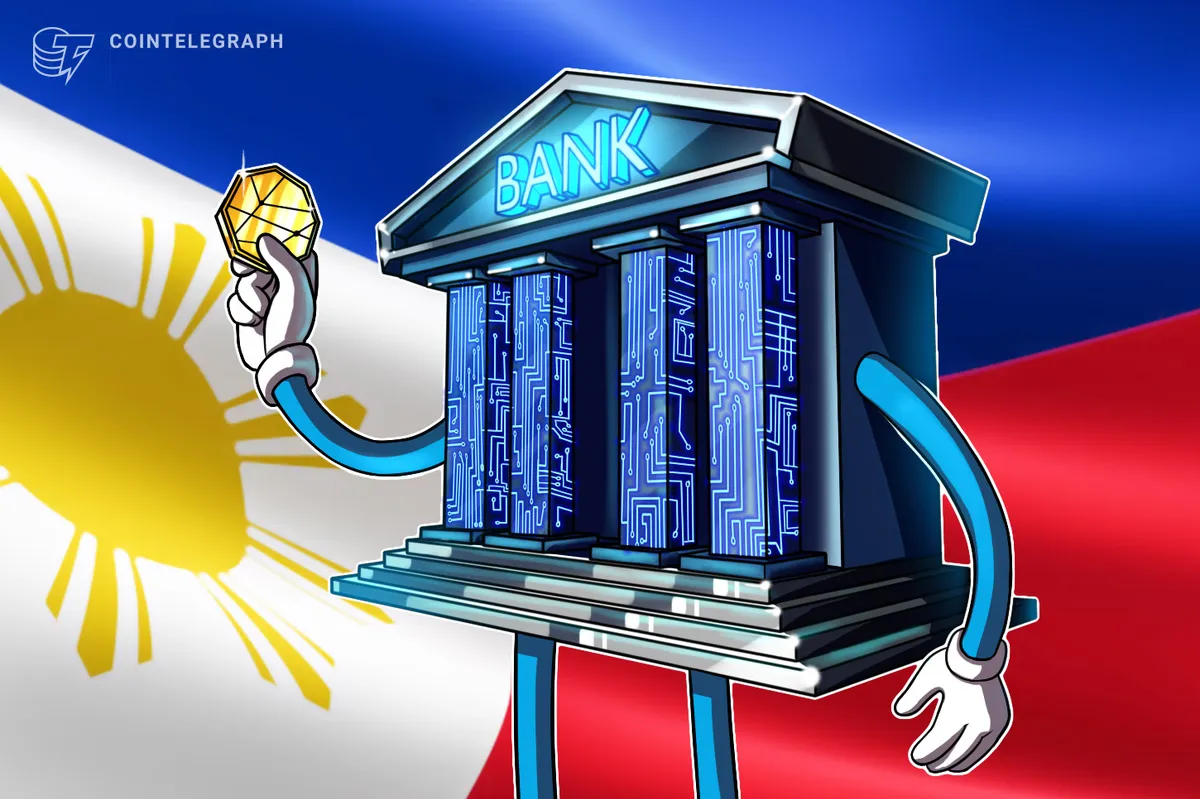
The Bangko Sentral ng Pilipinas (BSP) is proposing a significant change in the regulatory landscape for payment operators in the country. This initiative aims to pause new registrations of payment operators while also implementing stricter monitoring and transaction limits for activities related to virtual asset service providers (VASPs). This move comes as the BSP seeks to enhance the oversight of the rapidly evolving digital payments and cryptocurrency sectors, which have seen substantial growth and adoption in recent years.
The proposal is part of a broader effort by the BSP to address the challenges and risks associated with virtual assets, particularly in the context of regulatory compliance and consumer protection. With a surge in the number of VASPs and payment operators, the BSP has expressed concerns about potential illicit activities, including money laundering and fraud, that could arise from insufficient oversight. By freezing new registrations, the central bank aims to take a more cautious approach to managing the sector's growth and ensuring that existing operators adhere to stricter regulatory standards.
This regulatory move is significant for the market, as it signals the BSP's commitment to maintaining financial stability and protecting consumers amid a booming digital economy. For existing VASPs and payment operators, the enhanced scrutiny could lead to increased compliance costs and operational adjustments. However, it may also foster a more trustworthy environment for users, potentially leading to greater long-term adoption of digital payment solutions and cryptocurrencies in the Philippines.
Reactions from industry stakeholders have been mixed. Some industry experts commend the BSP's proactive approach in establishing a regulatory framework that could mitigate risks associated with virtual assets. Others, however, express concern that a freeze on new registrations might stifle innovation and limit the entry of new players in a market that could benefit from diverse services and competition. The balance between regulation and fostering innovation remains a topic of debate among stakeholders.
Looking ahead, if the BSP's proposal is implemented, it may set a precedent for other countries in the region considering similar regulatory measures for digital assets. The effectiveness of these regulations in achieving their intended goals–protecting consumers while promoting the growth of the digital economy–will be closely monitored by both local and international observers.

CoinMagnetic Team
Crypto investors since 2017. We trade with our own money and test every exchange ourselves.
Updated: September 2026
From our insights:
Related news

U.S. candidates trade barbs over crypto influence as elections approach

SoFi Bank rolls out SOFIE tokenized deposits with 4.4% APY and FDIC coverage

Coinbase warns UK 2027 crypto rules may create a de facto ban on regulated DeFi

Italy Busts Mafia 'Secret Bank' That Laundered Money Through Crypto, Seizes $24M

Bitget pre-IPO contract values Reliance Jio at $110 billion with 4 percent premium