SoFi Bank rolls out SOFIE tokenized deposits with 4.4% APY and FDIC coverage
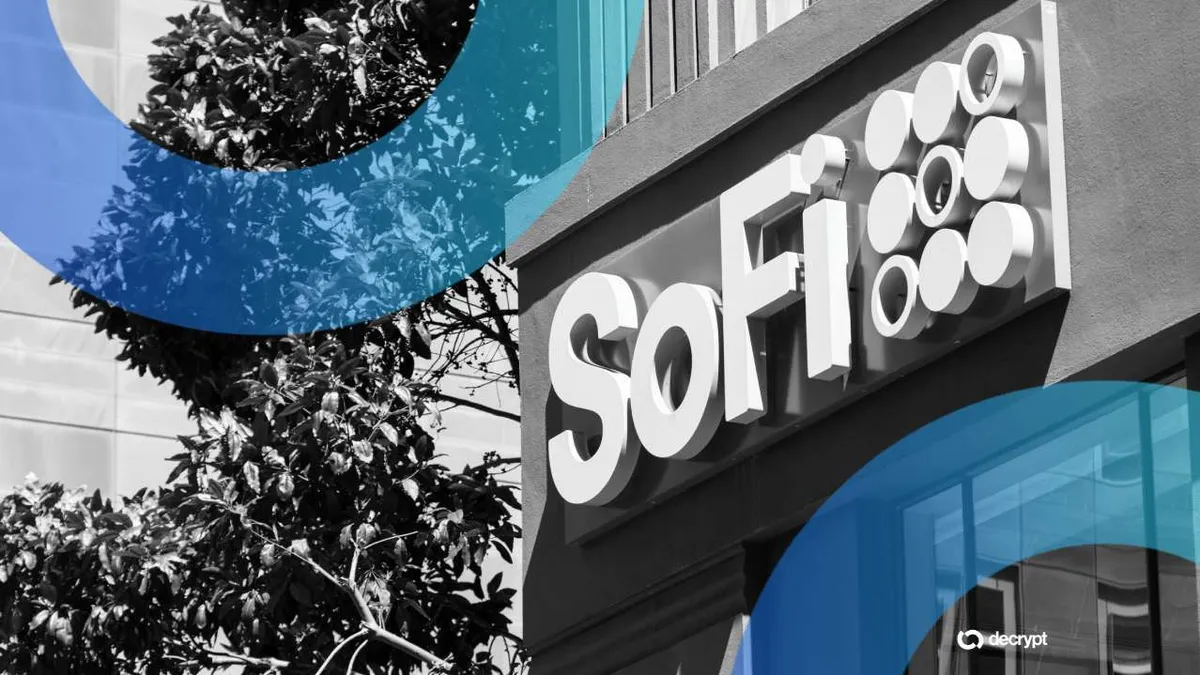
SoFi has officially entered the tokenized asset space with the launch of its new SOFIE token, a digital asset that represents a one-to-one claim on U.S. dollar deposits held at SoFi Bank. The product offers a 4.4% annual percentage yield, providing a unique bridge between traditional banking stability and blockchain utility. Because these tokens are backed by bank deposits, the funds underlying the asset remain eligible for FDIC insurance, offering a level of security that distinguishes this product from the majority of existing stablecoins currently available on the market.
This move represents a shift in how traditional financial institutions approach digital asset integration. While stablecoins have long dominated the crypto landscape as a medium of exchange, they have historically relied on reserves of treasury bills or other liquid assets that do not carry the same consumer protections as bank deposits. By embedding bank-regulated yields directly into a tokenized format, SoFi is attempting to solve the long-standing tension between the efficiency of decentralized finance and the safety net of regulated banking structures.
For the broader crypto market, the arrival of a bank-backed token with a native yield could set a new benchmark for what institutional participants expect from stable-value assets. If users can hold an asset that provides both the liquidity of a stablecoin and the yield of a high-yield savings account, it may pressure existing stablecoin issuers to rethink their reserve models. The market is closely watching whether this product will attract institutional capital that has previously stayed on the sidelines due to regulatory and safety concerns regarding non-bank stablecoins.
Industry analysts have noted that the integration of FDIC-insured deposits into blockchain protocols marks a maturing phase for the digital economy. While some observers have expressed caution regarding the potential regulatory hurdles of mixing tokenized assets with banking infrastructure, many experts view this as a necessary evolution for mass adoption. The consensus is that providing a product that feels familiar to traditional savers while utilizing blockchain rails is the most effective way to onboard the next wave of users into the crypto ecosystem.
Looking ahead, the success of SOFIE will likely depend on its interoperability and the ease with which users can move funds between the SoFi platform and other decentralized applications. As we track the rollout, the key metric will be the adoption rate among institutional players who prioritize risk-adjusted returns. If this product gains traction, we expect to see other major banking institutions fast-track their own tokenization initiatives to compete for digital asset liquidity.

CoinMagnetic Team
Crypto investors since 2017. We trade with our own money and test every exchange ourselves.
Updated: October 2026
From our insights:
Related news

Coinbase warns UK 2027 crypto rules may create a de facto ban on regulated DeFi

Italy Busts Mafia 'Secret Bank' That Laundered Money Through Crypto, Seizes $24M

Bitget pre-IPO contract values Reliance Jio at $110 billion with 4 percent premium

Tianjin court to review seizure of 5.1 billion dollars in bitcoin linked to UK case

South Korea moves closer to a digital asset framework while tax debates grow