Brazil Issues Sweeping Ban Against Prediction Market Platforms
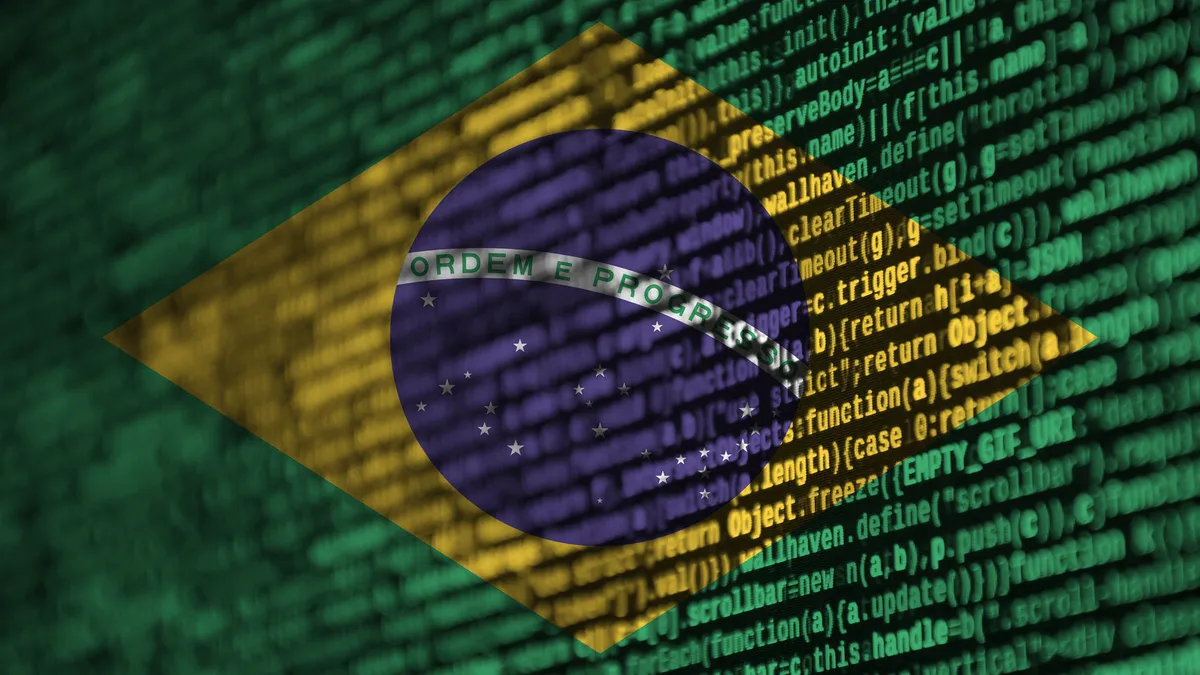
Brazil's Finance Ministry has recently taken a significant step by issuing a sweeping ban on prediction market platforms, including well-known names like Polymarket and Kalshi. The government cited concerns surrounding investor protection and the alarming rise in gambling addiction as primary reasons for this decision. This move reflects a growing trend among regulatory bodies worldwide to scrutinize platforms that facilitate betting on various outcomes, particularly in the context of financial markets and events. The ban has sparked discussions about the implications for users and the broader crypto and betting industries.
To put this decision into context, Brazil has been increasingly vigilant regarding financial regulations, particularly in sectors that could lead to social issues such as gambling addiction. Over the past few years, the government has been working to establish a more robust regulatory framework for cryptocurrencies and related activities, aiming to protect consumers while fostering innovation. The prediction market, which allows users to bet on the outcomes of future events, has gained popularity but has also raised red flags for regulators concerned about its potential to encourage speculative behaviors and financial instability.
This ban could have significant implications for the market, especially for the prediction market niche within the crypto space. Investors and users who previously engaged with these platforms may find themselves seeking alternatives or turning to more traditional forms of betting and market speculation. The decision could also discourage new platforms from emerging in Brazil, fearing similar regulatory backlash. Overall, this move may lead to a chilling effect on the development of innovative financial products that blend gambling and trading.
Industry reactions have been mixed, with some experts applauding the government's focus on consumer protection while others criticize the decision as an overreach that stifles innovation. Some analysts argue that regulation is necessary to ensure the long-term viability of these platforms, while others warn that such bans can drive activity underground or push users to unregulated markets. The sentiment varies widely within the community, as some stakeholders see potential for a more responsible approach to prediction markets that could satisfy regulatory concerns without outright bans.
Looking ahead, it will be interesting to see how this decision shapes the future of prediction markets in Brazil and beyond. Stakeholders may push for dialogue with regulators to find a middle ground that allows for innovation while addressing the legitimate concerns surrounding gambling and investor protection. Whether Brazil will adopt a more nuanced regulatory approach remains to be seen, but the conversation around responsible gambling and consumer education is likely to gain momentum in the coming months.

CoinMagnetic Team
Crypto investors since 2017. We trade with our own money and test every exchange ourselves.
Updated: April 2026
From our insights:
Related news
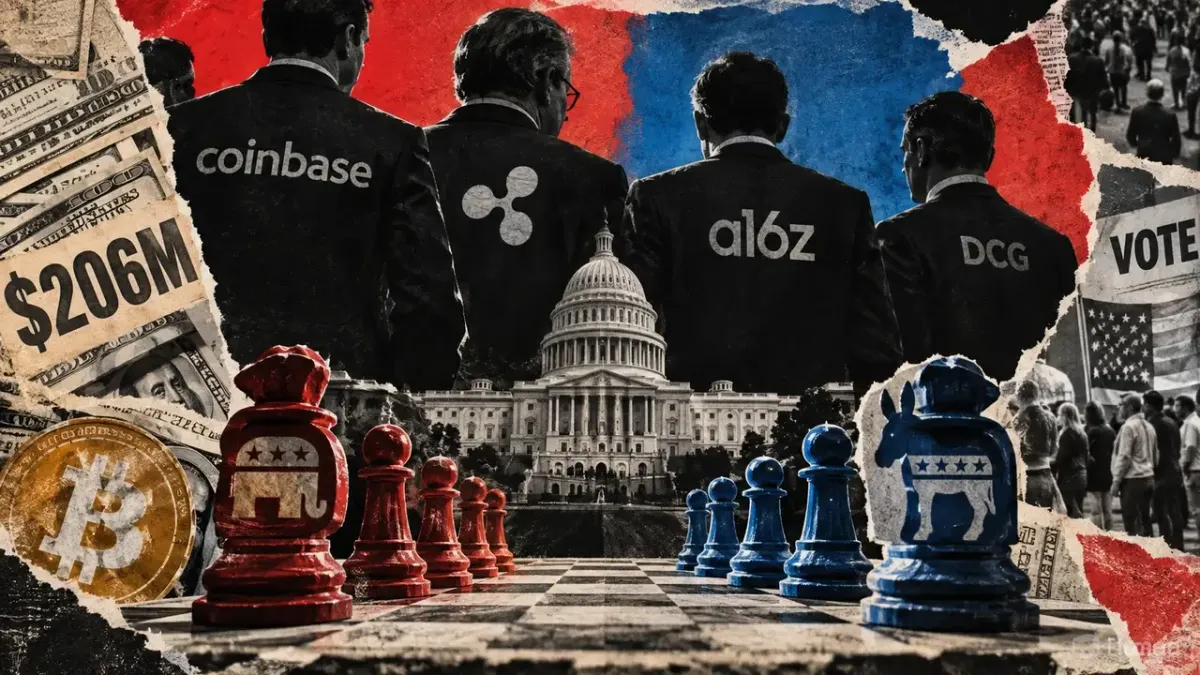
Crypto sector emerges as top donor with $206 million in midterms backing
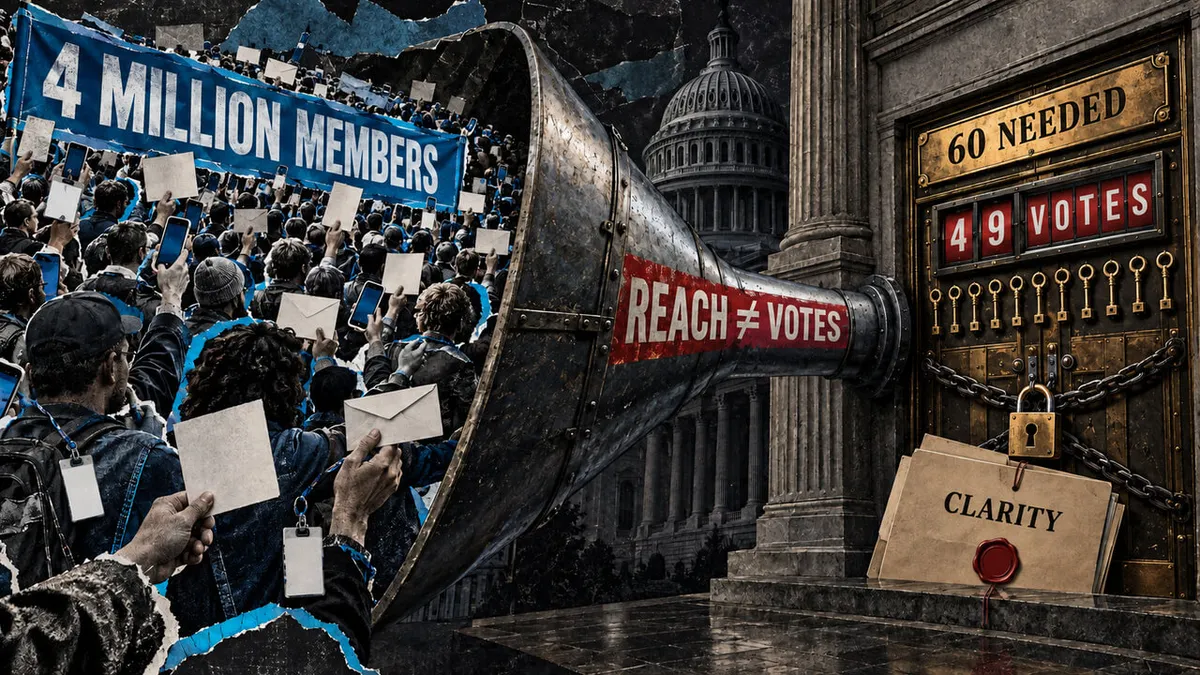
Stand With Crypto’s 4 million registered advocates couldn’t get the CLARITY Act through the Senate

Kakao Pay, KakaoBank to explore stablecoin opportunities with Fireblocks

US Attorney's investigation into Binance focuses on Iran sanctions compliance

ECB initiates wholesale digital euro for banks and tokenized bond purchases