Bitcoin shrugged off Japan’s rate hike – The bigger liquidity test came from Washington
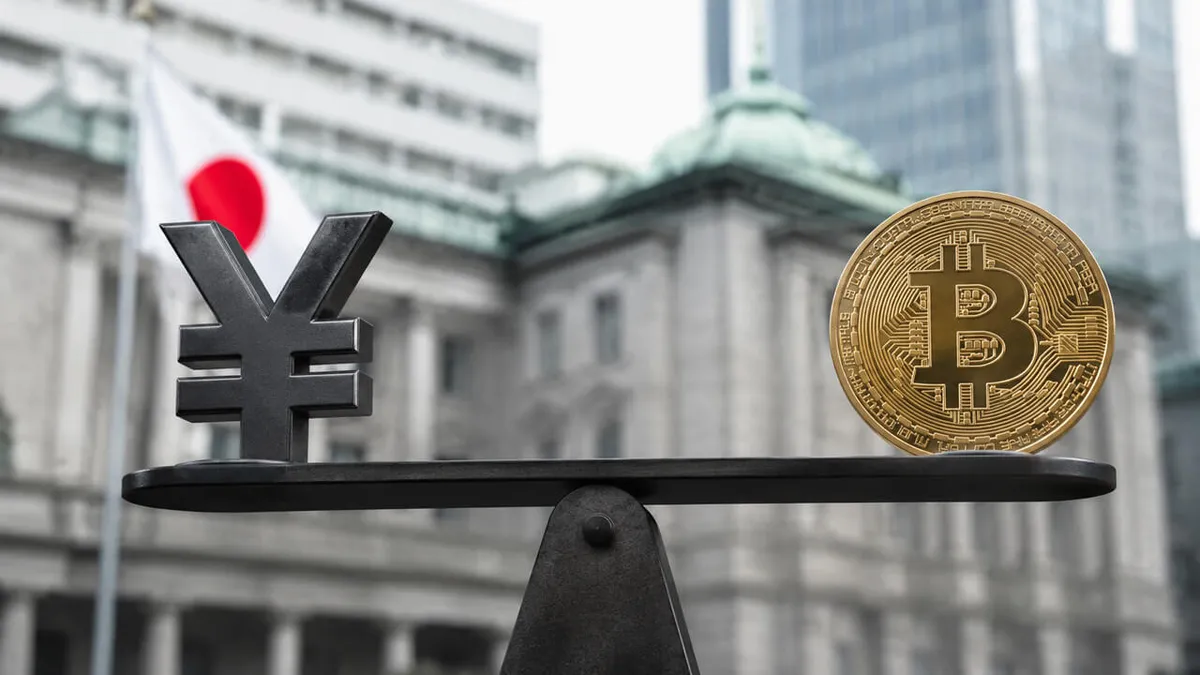
The recent decision by the Bank of Japan to raise its benchmark interest rate to 1% has created ripples across global financial markets, yet Bitcoin has surprisingly remained resilient in its performance. This rate hike marks a significant milestone, as it is the highest rate Japan has seen since September 1995. The move is part of a broader strategy to normalize monetary policy after decades of ultra-loose financial conditions. Despite the potential for increased volatility, Bitcoin has shown a robust response, allowing it to stand firm amidst the changing economic landscape.
To understand the implications of this decision, it is essential to consider the context in which it was made. Japan's economy has struggled with deflation and stagnation for over 30 years, leading to a prolonged period of low interest rates and aggressive monetary easing. The shift towards higher rates reflects a significant pivot in Japan's economic policy, aimed at curbing inflation and stabilizing the currency. This change could signal a new approach not only for Japan but also for other central banks grappling with similar challenges in a post-pandemic world.
The broader implications for the market are myriad. Typically, rising interest rates can lead to a decrease in risk appetite among investors, often resulting in sell-offs in speculative assets like cryptocurrencies. However, Bitcoin's ability to withstand this rate hike indicates a growing maturity in its market dynamics. Many investors view Bitcoin as a hedge against inflation and economic uncertainty, which could explain its resilience in the face of traditional market pressures. This situation also raises questions about Bitcoin's status as a safe-haven asset, especially as liquidity conditions tighten globally.
Industry experts have weighed in on the significance of the rate hike and its impact on Bitcoin. Some analysts suggest that the cryptocurrency's stability in the wake of such news reflects a shift in investor sentiment – away from viewing Bitcoin purely as a speculative asset and more as a legitimate store of value. Others caution that while the short-term reaction has been positive, the long-term effects of tightening monetary policy could still pose challenges for Bitcoin and other cryptocurrencies, particularly if liquidity continues to dwindle.
Looking ahead, market participants will be closely monitoring developments from Washington, where fiscal policy and potential interest rate changes by the Federal Reserve could further influence Bitcoin's trajectory. The ongoing interplay between traditional finance and the cryptocurrency market will be pivotal in shaping investor sentiment. As central banks worldwide navigate the complexities of inflation and economic growth, Bitcoin's role as a hedge or investment vehicle will be tested in new and potentially unprecedented ways. The coming months may reveal much about the cryptocurrency's resilience and adaptability to shifting macroeconomic conditions.

CoinMagnetic Team
Crypto investors since 2017. We trade with our own money and test every exchange ourselves.
Updated: June 2026
From our insights:
Related news

US investigates Binance for potential Iran-linked trading violations
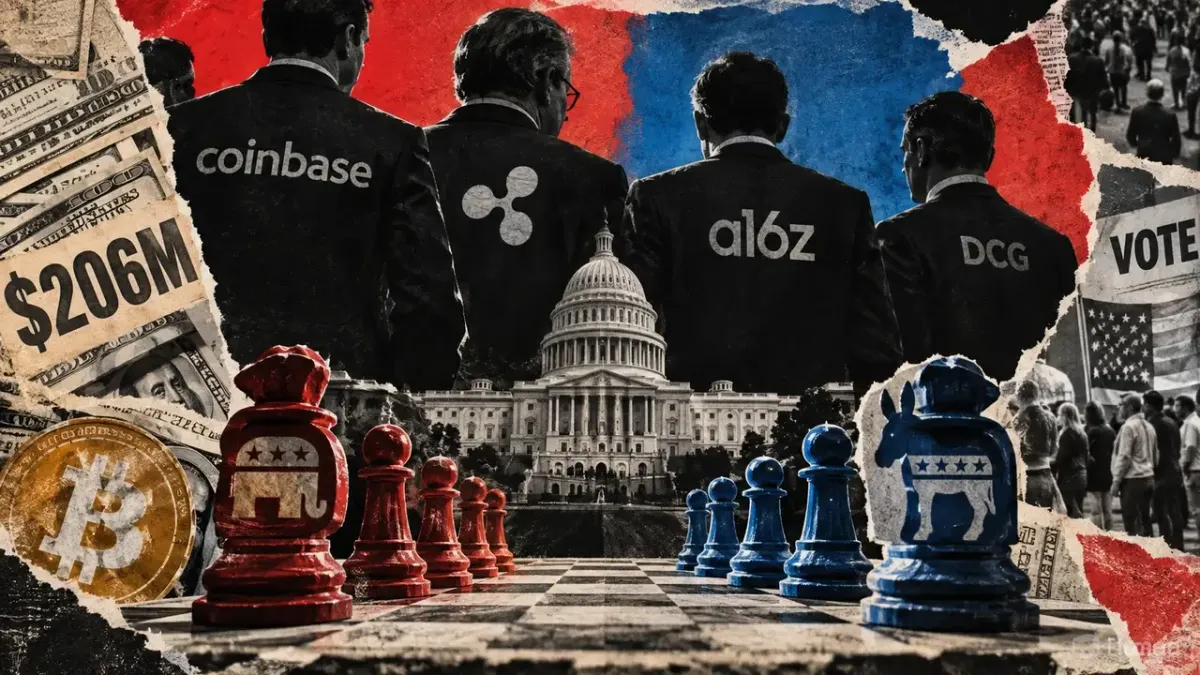
Crypto sector emerges as top donor with $206 million in midterms backing

Stand With Crypto’s 4 million registered advocates couldn’t get the CLARITY Act through the Senate

Kakao Pay, KakaoBank to explore stablecoin opportunities with Fireblocks

US Attorney's investigation into Binance focuses on Iran sanctions compliance