Bitcoin miners' AI pivot faces $50 billion reality check, says VanEck
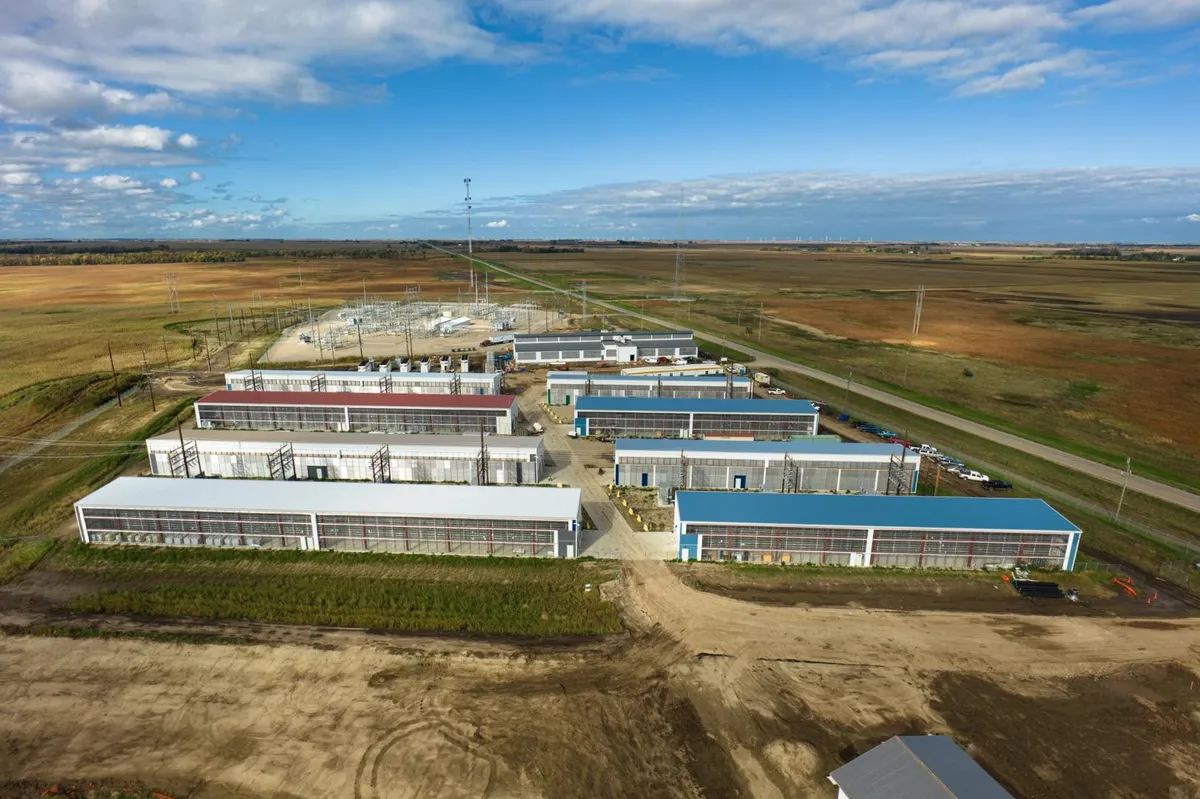
Recent insights from VanEck suggest that Bitcoin miners' increasing foray into artificial intelligence (AI) may encounter a significant reality check, with potential challenges amounting to around $50 billion. The firm highlights a growing skepticism among investors who are now prioritizing execution risk over mere announcements of AI initiatives. As miners pivot towards AI to diversify their revenue streams, the emphasis on tangible results and successful integration of these technologies has become more critical than ever.
The backdrop to this shift is rooted in the changing dynamics of the cryptocurrency market. Historically, Bitcoin mining has been a revenue-driven operation focused on generating returns through block rewards and transaction fees. However, as the market matures and competition intensifies, miners are seeking alternative avenues to sustain profitability. The allure of AI lies in its potential to optimize operations, enhance decision-making, and tap into new revenue sources, but the path to successful implementation is fraught with uncertainties.
This development is significant for the broader market as it underscores a potential shift in the investment landscape. Investors are becoming more discerning, moving beyond hype and seeking actual performance and viability in these new ventures. A failure to deliver on AI promises may not only impact individual miners but also have ripple effects across the crypto ecosystem, potentially influencing investor sentiment and market stability. As the focus turns towards execution, the pressure is on miners to prove that their AI strategies can yield meaningful results.
Industry experts are weighing in on this trend, with many cautioning that while the integration of AI could present opportunities, it is not without its risks. The complexity of deploying AI solutions in mining operations may lead to unforeseen challenges, and some analysts believe that miners may be overestimating the immediate benefits of such a pivot. The cautious approach adopted by investors reflects a broader trend in the market, where the emphasis is shifting from speculative investments to those grounded in robust operational strategies.
Looking ahead, the future of Bitcoin miners’ AI initiatives will depend largely on their ability to navigate these challenges effectively. As the industry grapples with the dual pressures of technological integration and market skepticism, we may see a further refinement of strategies and a clearer delineation between those who can deliver on their promises and those who cannot. The coming months will be crucial in determining whether this AI pivot can truly reshape the mining landscape or if it will serve as a cautionary tale of overreach in the crypto space.

CoinMagnetic Team
Crypto investors since 2017. We trade with our own money and test every exchange ourselves.
Updated: June 2026
From our insights:
Related news

ECB and EU central banks propose liquidity thresholds for stablecoins

Four GOP senators backing CLARITY Act seek changes to stablecoin provisions

US investigates Binance for potential Iran-linked trading violations

Crypto sector emerges as top donor with $206 million in midterms backing

Stand With Crypto’s 4 million registered advocates couldn’t get the CLARITY Act through the Senate