Bitcoin holds near $63,800 as war-driven selloff hits everything but crypto

Bitcoin has managed to hold its ground near the $63,800 mark despite a significant selloff in traditional markets triggered by escalating geopolitical tensions. The backdrop of the fourth round of U.S. airstrikes on Iran has sent shockwaves through various asset classes–gold, oil, stocks, and bonds all experienced sharp declines as investors reacted to the uncertainty. In contrast, Bitcoin has shown remarkable resilience, maintaining its value amidst a climate of fear and volatility in the broader financial landscape.
To understand the current dynamics, it is essential to consider the historical relationship between Bitcoin and traditional assets during times of crisis. Traditionally viewed as a safe haven, gold has come under pressure as investors reassess their portfolios in light of military actions and potential conflicts. However, Bitcoin has often exhibited a different behavior, acting not only as a store of value but also as a speculative asset driven by its unique supply dynamics and growing institutional interest. This divergence in movement highlights the evolving perception of cryptocurrencies in the context of global unrest.
The significance of Bitcoin's stability in the face of market turmoil cannot be understated. As investors flock to safe-haven assets, the fact that Bitcoin has not succumbed to the same pressures as other markets suggests a growing confidence in its role as a digital asset. This resilience may attract a new wave of institutional investors looking for alternatives to traditional assets, potentially solidifying Bitcoin's status as a legitimate player in the financial ecosystem. If Bitcoin continues to hold steady or even appreciate in value while other assets falter, it could set the stage for further adoption and integration into mainstream finance.
Industry experts have varied opinions on the implications of this situation. Some analysts see Bitcoin's strength as indicative of a broader shift in investor sentiment–one that favors digital assets over traditional commodities during times of crisis. Conversely, others caution that the current geopolitical environment is still highly fluid, and the future trajectory of Bitcoin could be influenced by further developments in international relations. Notably, market sentiment can shift rapidly, and while Bitcoin has displayed resilience, it remains to be seen whether this trend will continue as the situation evolves.
Looking ahead, we are closely monitoring how Bitcoin and other cryptocurrencies respond to ongoing geopolitical developments. With the potential for further military action and market instability, the coming weeks could present both challenges and opportunities for digital currencies. As we navigate this uncertain landscape, the market's reaction to these events will be critical in shaping the future of Bitcoin and its role within the global financial system. The interplay between traditional assets and cryptocurrencies will remain a focal point for investors and analysts alike.

CoinMagnetic Team
Crypto investors since 2017. We trade with our own money and test every exchange ourselves.
Updated: July 2026
From our insights:
Related news

Ledger isolates hardware implant breach affecting Southeast Asia

CFTC pushes new rules to draw a line between prediction markets and casinos

George Washington University physicists devise formula to forecast chatbot failure
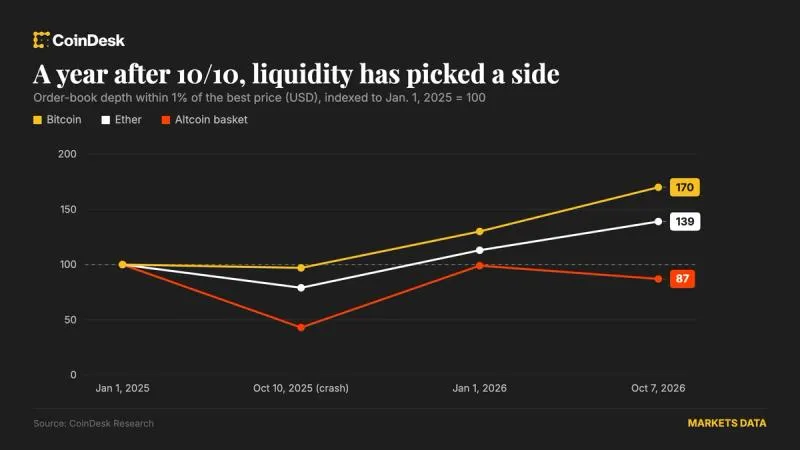
One year after 10/10 flash crash, bitcoin and ether liquidity have rebuilt, but altcoins still face risks

Tokenized commodities expand past gold into lending and oil markets