BIS project finds tokenization could make cross-border payments faster, safer
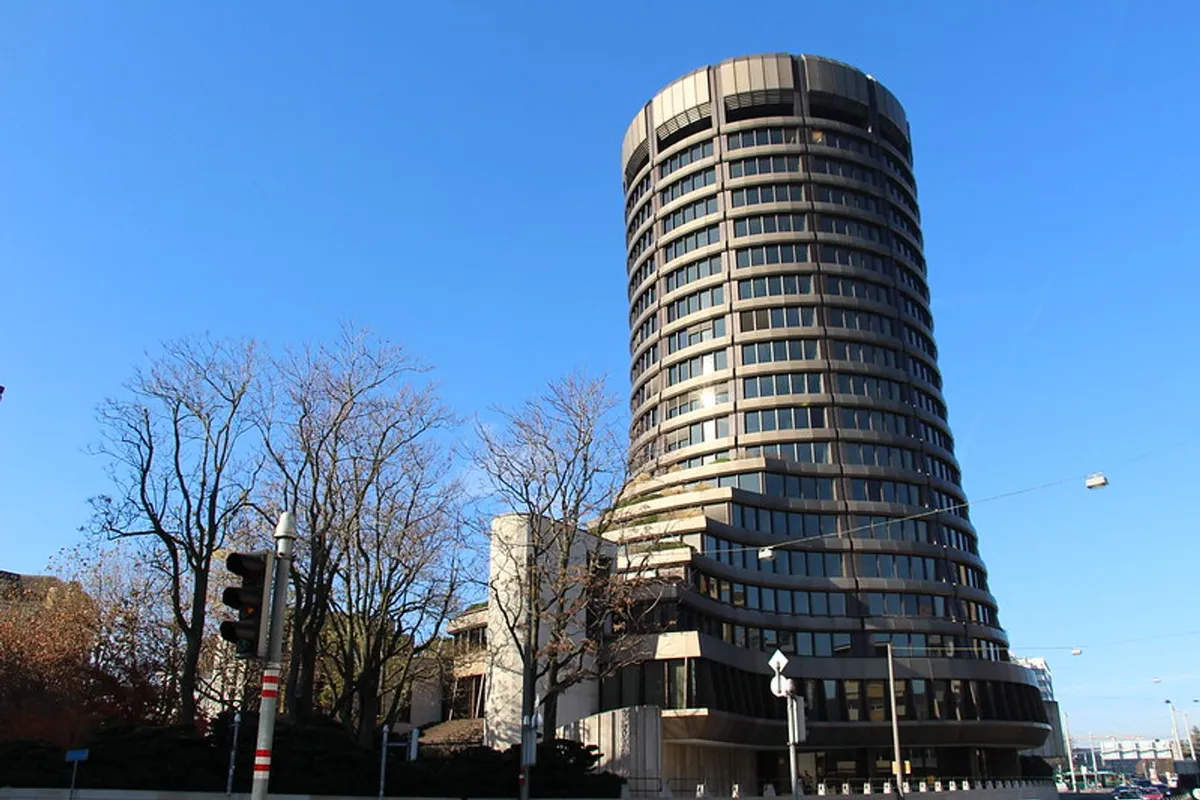
The Bank for International Settlements (BIS) has released findings from its Project Agorá, which suggests that tokenization could significantly enhance the efficiency and security of cross-border payments. This initiative, supported by several major central banks, aims to explore the potential of digital tokens to facilitate faster transactions while reducing the risks associated with traditional payment methods. The next phase of the project will involve "real-value" testing to settle tokenized central bank money and bank deposits on blockchain technology, a move that could revolutionize the way financial institutions interact across borders.
Project Agorá is part of a broader effort by central banks to explore digital currencies and their implications for the global financial system. As the demand for swift and secure cross-border transactions continues to rise, central banks are under increasing pressure to innovate and adapt to new technologies. The project aims to address some of the longstanding inefficiencies in current payment systems, which often involve multiple intermediaries and lengthy settlement times. By leveraging blockchain technology, the project seeks to streamline these processes and enhance the overall reliability of cross-border transactions.
The implications of these findings for the market are significant. If successful, the adoption of tokenized central bank money could lead to lower transaction costs and faster settlement times for cross-border payments. This would not only benefit banks and financial institutions but could also enhance the overall customer experience for businesses and individuals engaging in international trade. Furthermore, the ability to settle transactions using blockchain technology could reduce counterparty risk, making cross-border payments safer and more efficient.
Industry experts have responded positively to the findings of Project Agorá, viewing it as a promising step toward the future of digital finance. Many believe that the project will encourage more central banks to explore the potential of digital currencies, ultimately leading to a more interconnected and efficient global financial system. There is also a sense of optimism about the potential for collaboration among central banks, which could pave the way for standardized practices and regulations in the realm of digital currencies.
Looking ahead, the next steps for Project Agorá will involve rigorous testing of the proposed solutions in real-world scenarios. As central banks proceed with real-value testing, the outcomes will be closely monitored by financial institutions and regulators alike. The success of this project could set a precedent for future initiatives aimed at modernizing cross-border payment systems, making it a crucial development to watch in the coming months.

CoinMagnetic Team
Crypto investors since 2017. We trade with our own money and test every exchange ourselves.
Updated: May 2026
From our insights:
Related news

Solo GP Jed Breed raises $15 million for his second early-stage crypto fund

Crypto industry may increase PAC spending after CLARITY vote failure

SEC's crypto counsel outlines strategy for custody of digital assets

Reap aims to enhance cross-border FX with non-USD stablecoins including peso

ECB and EU central banks propose liquidity thresholds for stablecoins